Opinion | Kevin Lan, Co-Founder & Sales Director at LIONET
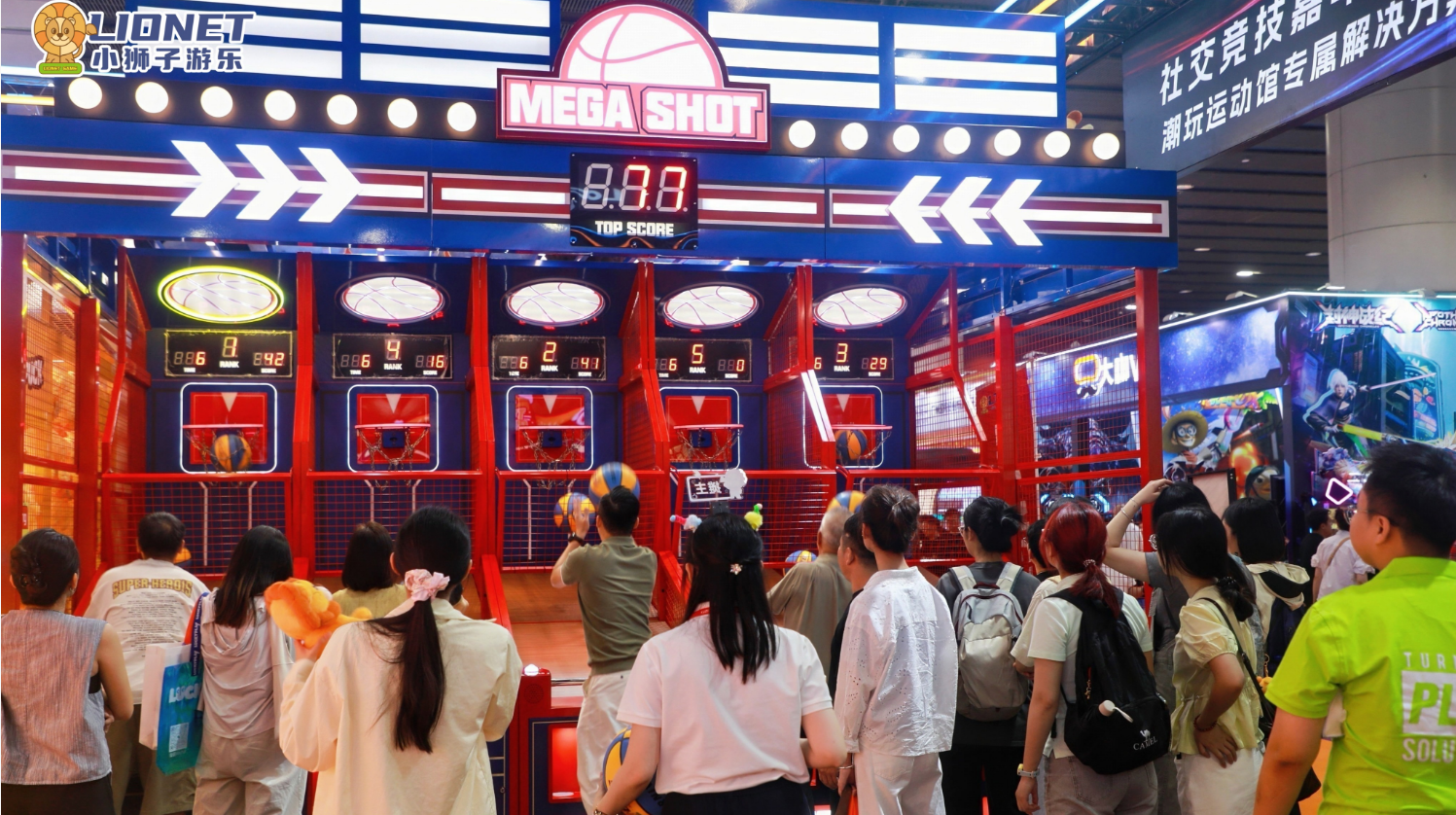
A leaderboard can tell players who won. But can it make them feel more connected?
This distinction matters for operators investing in Competitive Socialising experiences.
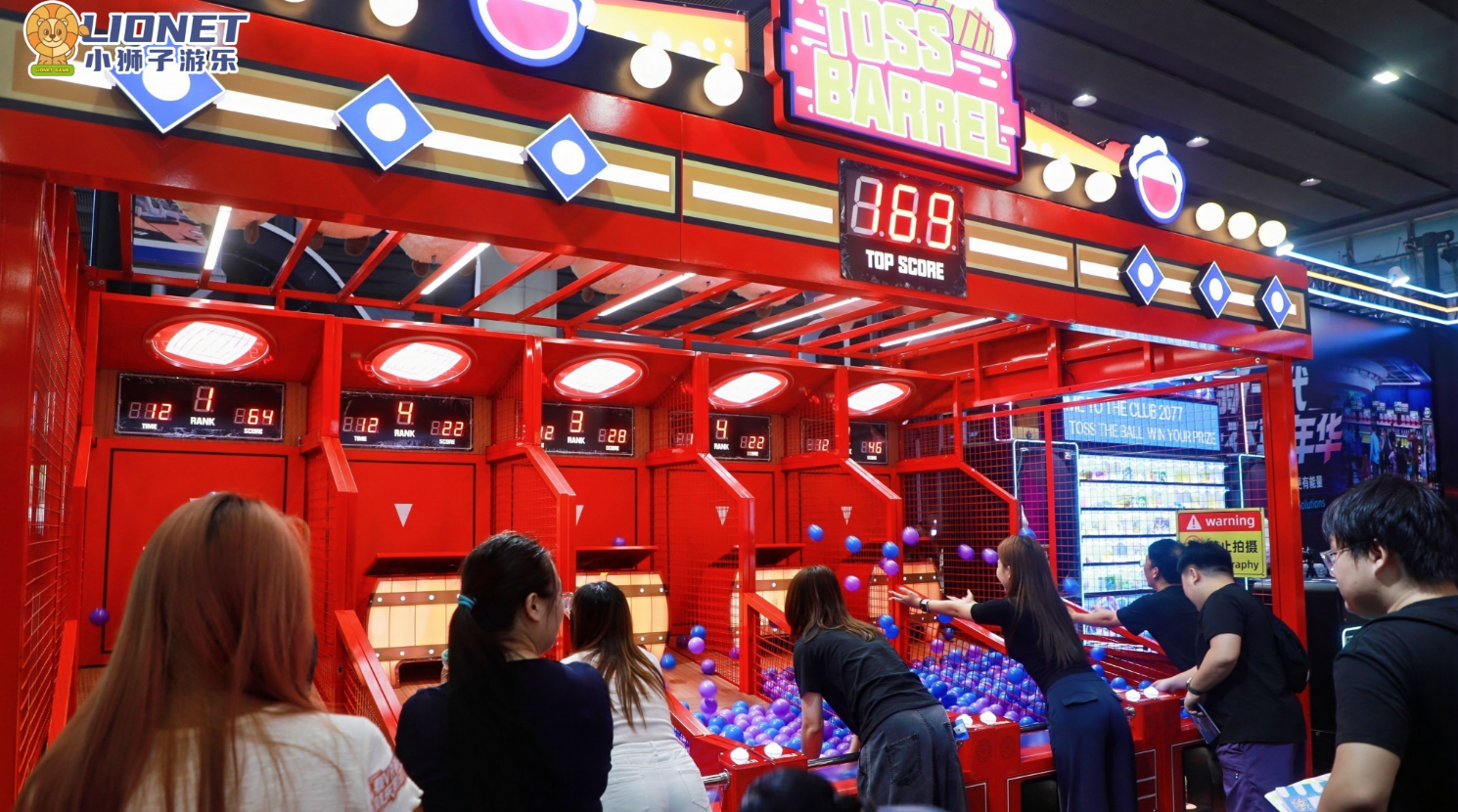
Automatic scoring, real-time rankings and connected leaderboards are becoming familiar elements of technology-enabled physical games. They make competition easier to follow and give players clear performance feedback.
Yet there is an important difference between knowing who is winning and having a meaningful experience with other people.
My argument is simple: a leaderboard can support social interaction, but it cannot guarantee it.
For Family Entertainment Centers (FECs) and Competitive Socialising venues, understanding that difference should influence how games are selected, designed and operated.
1. Competition Is Not the Same as Connection
Consider two groups playing the same game.
In the first group, players take turns, check their individual scores and move on. Everyone understands the result, but there is little interaction.
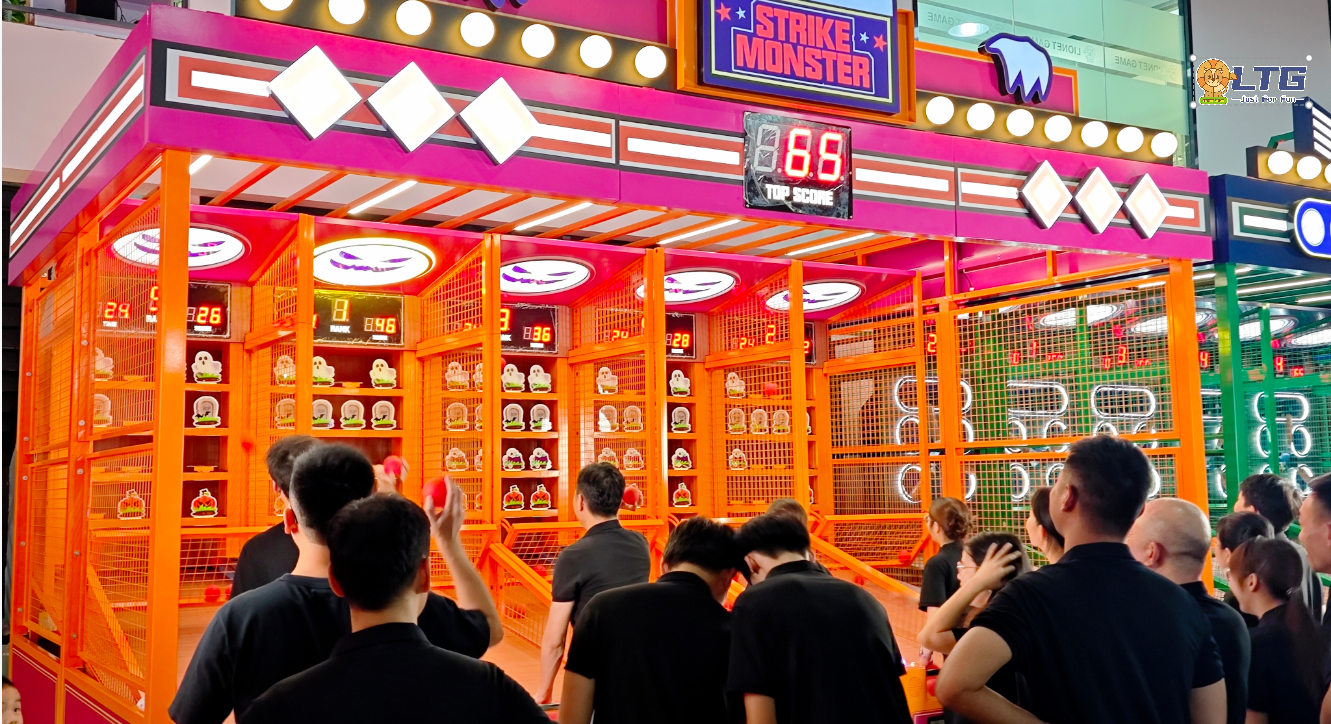
In the second group, friends encourage each other, react to surprising performances, celebrate a winner and immediately demand a rematch.
Both groups have experienced competition.
Only the second has clearly turned that competition into a shared social event.
The difference is not necessarily the scoring technology. It is what happens between the players.
Research offers a useful distinction.
A 2017 experimental study by Sailer and colleagues, published in Computers in Human Behavior, found that badges, leaderboards and performance graphs positively influenced participants' sense of competence. Social relatedness, however, was more strongly associated with other elements, including teammates, meaningful stories and avatars.
The study was conducted in a simulated environment rather than a commercial entertainment venue. Its findings should not be treated as direct evidence of customer behaviour in FECs.
Nevertheless, it raises an important design question:
Are we helping people compare their performance, or are we helping them connect through the experience?
These are related objectives, but they are not interchangeable.
2. The Strongest Argument for Leaderboards Deserves Attention
It would be a mistake to dismiss leaderboards as merely decorative technology.
They can provide valuable motivational feedback.
A 2020 natural experiment published in the European Journal of Information Systems examined points and leaderboards in an interactive museum exhibit in California. The researchers analysed activity involving more than 88,000 unique users and found evidence that competitive game elements influenced engagement and performance.
More recently, a 2026 experiment involving 219 participants found higher contribution levels in both leaderboard and progress-bar conditions than in a non-gamified condition. Longer participation was observed in the leaderboard condition.
These findings support an important commercial argument: visible scoring and ranking mechanisms can influence how people participate.
There is also evidence that score comparisons can affect feelings of connection.
A 2018 study in Communication Research Reports found that favourable downward comparisons through leaderboard feedback increased participants' perceived competence and relatedness, along with enjoyment.
That finding challenges any absolute claim that leaderboards have no social value.
But there is a limitation.
Greater task participation, improved performance and perceived relatedness are not identical to observable interaction between friends in a physical entertainment venue.
The studies also differ in setting, duration, participant profile and what they measure.
The evidence supports the value of leaderboards as motivational tools. It does not establish that installing a leaderboard will, by itself, create a successful Competitive Socialising experience.
3. The Missing Ingredient Is What Happens Around the Game
The commercial opportunity lies in designing for the moments that a score can trigger.
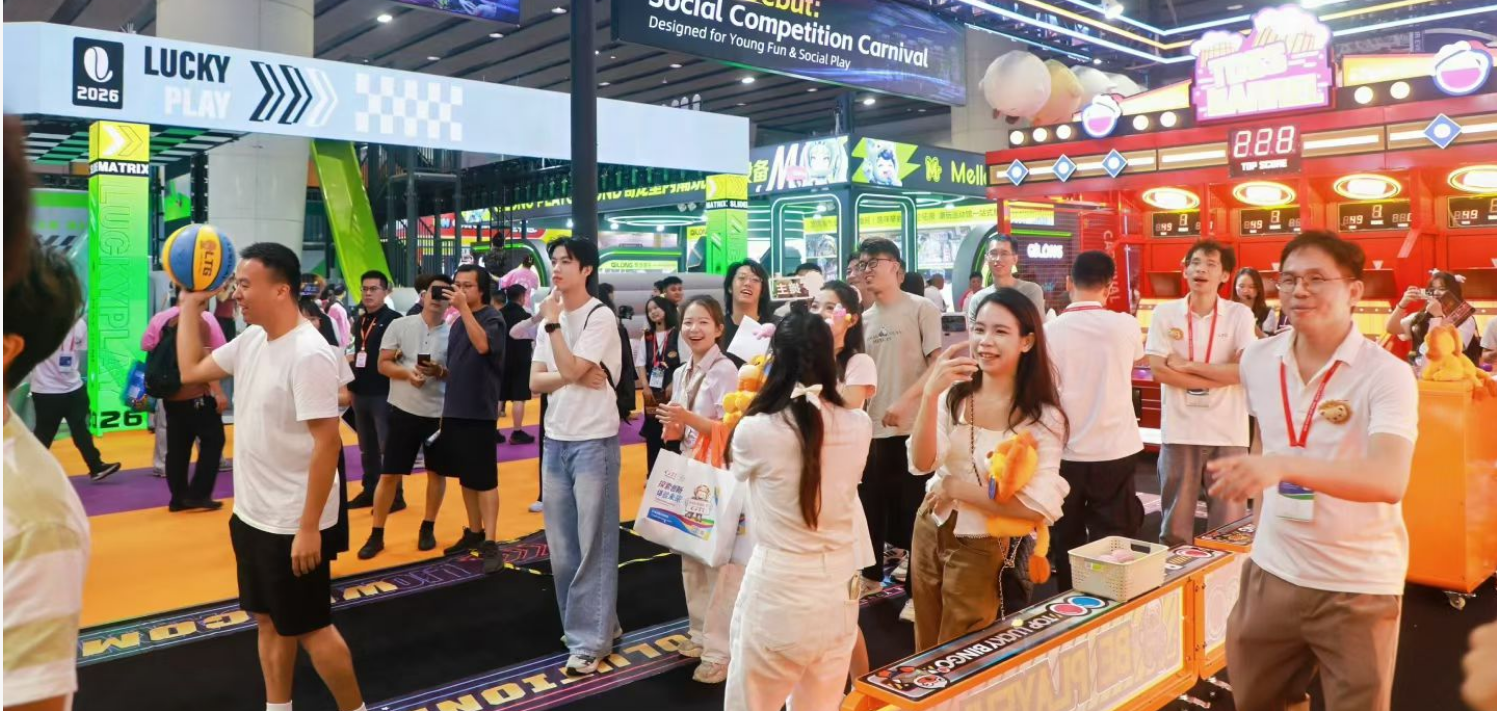
A player takes the lead. The result becomes visible. Friends notice. Someone celebrates, challenges the winner or prepares to try again.
The screen communicates the result. The people give that result social meaning.
For operators, I would separate this process into three design layers.
First: Make the challenge understandable.
Players need to know what they are trying to achieve and how the result is determined. A sophisticated ranking system offers limited value if newcomers cannot understand the game or follow its progress.
Second: Make the competition shared.
Can friends compete together? Can spectators follow the action without obstructing players? Are changes in the lead visible at the right moment?
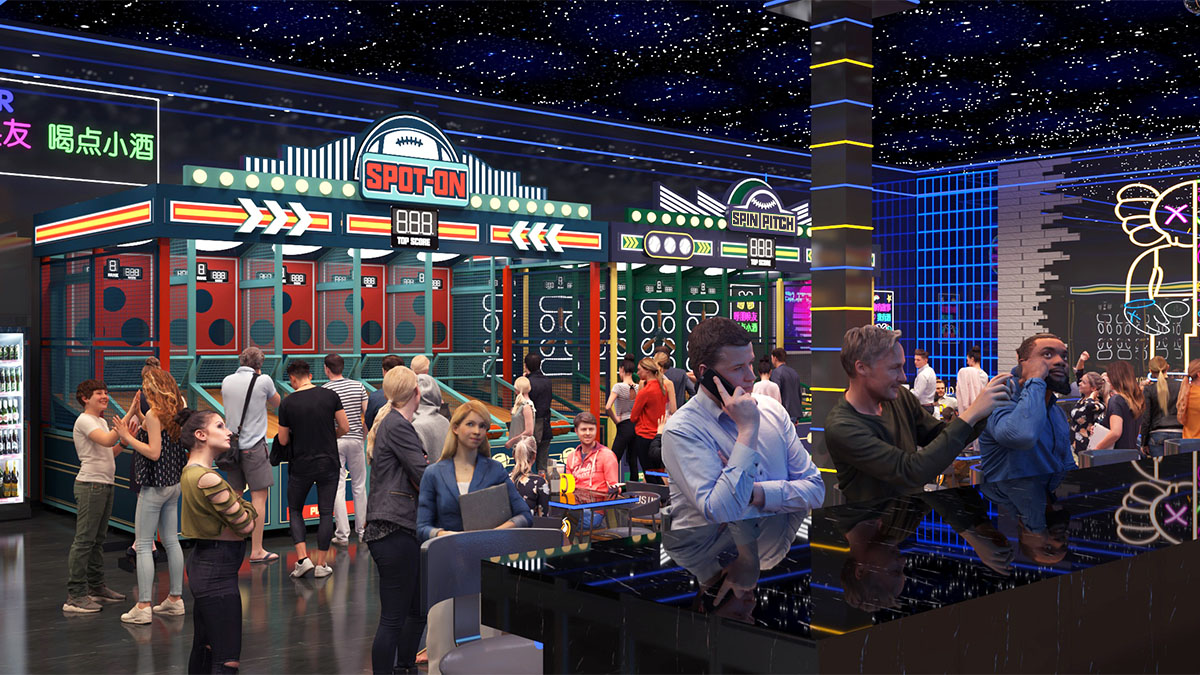
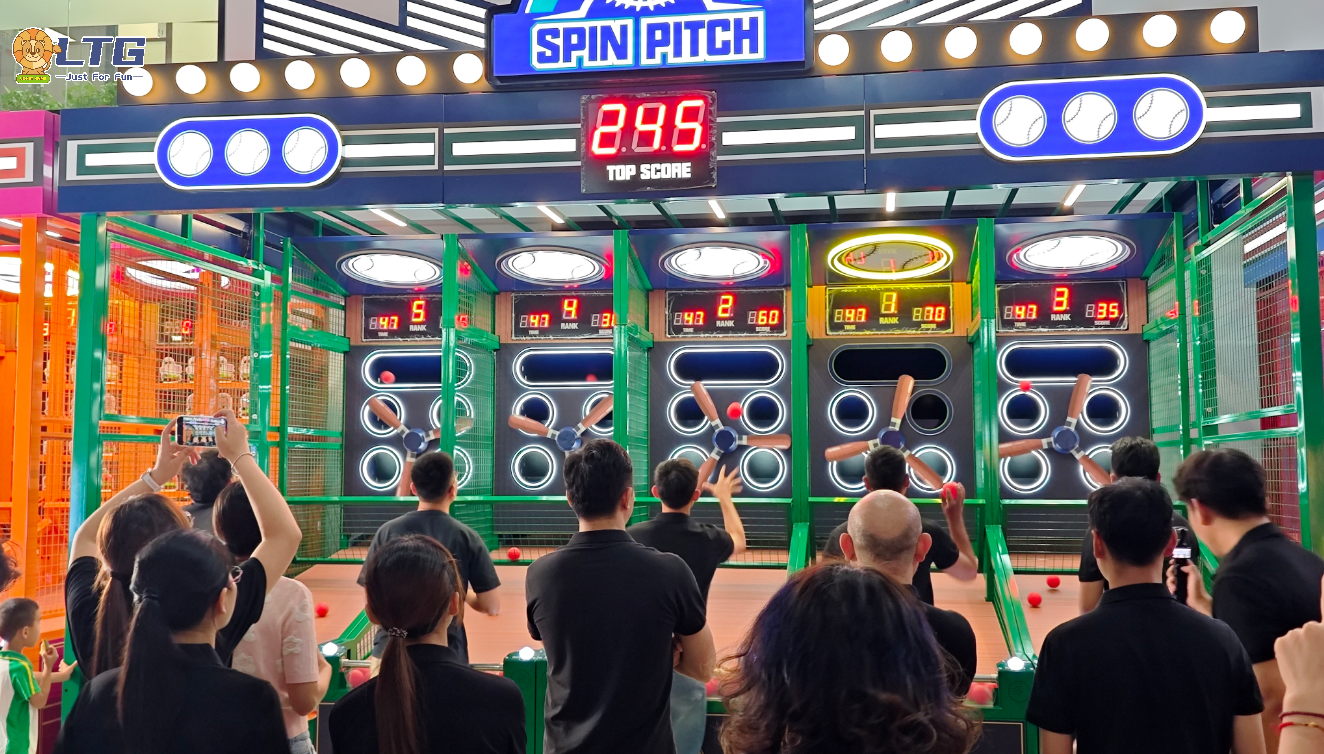
Simultaneous multiplayer formats, clear sightlines and understandable feedback can create opportunities for group reactions.
Third: Give people a reason to interact.
A close result, a team challenge, a rematch or a memorable celebration can provide a natural starting point for conversation.
These are proposed design principles, not a scientifically validated formula. Their effectiveness depends on the actual game, audience and venue.
There are useful commercial examples of this broader experience approach.
Flight Club combines automatic darts scoring with multiplayer formats, group play and action-replay moments.
TOCA Social combines interactive football challenges with different skill levels, private group play and surrounding hospitality.
These examples illustrate how operators package competition within a wider social environment. Their published descriptions do not, however, establish which individual feature produces the greatest commercial return.
That distinction matters when evaluating equipment investment.
4. A Bigger Leaderboard Can Also Create a Smaller Experience
Not every guest enjoys public competition in the same way.
An experienced player may find a high score motivating. A beginner may see an unreachable target.
Some groups enjoy intense individual rivalry. Others may prefer cooperative challenges or a relaxed experience where winning is secondary.
A 2024 systematic review of leaderboard research found that their effects on motivation, engagement and performance depend substantially on design. The review concerned higher education, so its recommendations cannot be applied directly to entertainment venues without testing.
Still, the underlying challenge is relevant.
A single, permanent ranking may be suitable for highly competitive guests while offering little encouragement to newcomers.
Operators should therefore consider alternatives such as team rankings, shorter competition periods, difficulty levels or event-specific challenges.
Even the decision to display a score publicly deserves attention. Visibility creates excitement for some guests but may produce unwanted pressure for others.
And there is a more fundamental point: not every social experience needs a leaderboard.
Cooperative games, informal group challenges and activities built around shared discovery can encourage interaction without ranking every participant.
For a venue focused primarily on relaxed family entertainment, simpler gameplay may be more appropriate than an elaborate competitive system.
More technology is not automatically a better guest experience.
5. The Operator's Real Question Should Change
Instead of asking only whether a game supports automatic scoring or connected leaderboards, I believe operators should ask a different set of questions.
-
Can people with different skill levels participate comfortably?
-
Does the layout encourage players and spectators to engage with one another?
-
Are results immediately understandable, and do they create natural opportunities for conversation or rematches?
-
Can the format support individual play, friendly competition and team-based events where appropriate?
-
How will the venue evaluate actual group interaction, rather than relying only on scores and game sessions?
These questions also have operational consequences.
Multiplayer games require appropriate circulation space. Tournament formats need predictable session timing. Connected scoring systems need reliable operation and recovery procedures. Staff involvement may be valuable for group events, even where scorekeeping is automated.
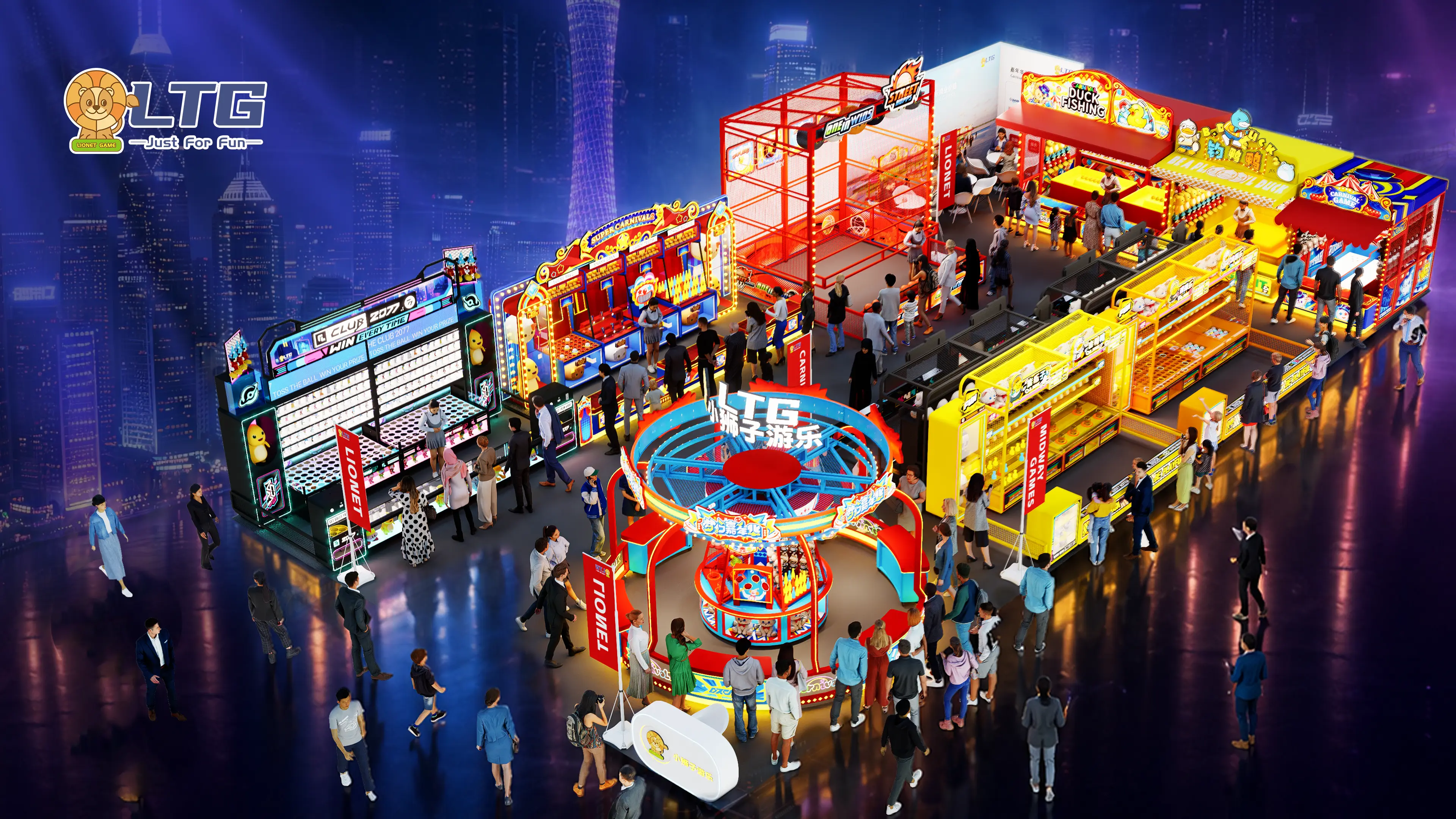
At LIONET, we develop Social Competition Carnival Games alongside our established Carnival & Midway Games range.
Our view is that automatic scoring and shared rankings are useful components of a competitive entertainment system. But they should serve the broader game experience, rather than define its entire value.
For operators considering a connected game area, the discussion should begin with the audience, game mix, floor layout and intended forms of participation—not simply the size or sophistication of the leaderboard.
The Real Product Is the Shared Moment
A leaderboard can answer a question: Who won?
A well-designed social entertainment experience should give people more to talk about.
That does not make rankings unimportant. It puts them in their proper role.
Competition can provide the challenge. Technology can make the outcome visible. Game and venue design can create opportunities for people to respond to one another.
Whether those opportunities become meaningful social interactions still depends on the players and the context.
A score can start the conversation. It is not the conversation itself.
For the Competitive Socialising industry, the next design challenge is not simply to connect more screens or collect more scores.
It is to understand how physical gameplay, group dynamics and technology can work together to make an experience genuinely worth sharing.
LIONET specialises in Carnival & Midway Games and Social Competition Carnival Games. Operators exploring multiplayer game areas and connected scoring systems can contact LIONET to discuss game selection, layout considerations and project requirements.
Multiplayer Social Competition Carnival Games

Kevin Lan is the Co-Founder and Sales Director of LIONET, a China-based manufacturer specializing in Carnival & Midway Games and Social Competition Carnival Games. His work focuses on international business development, multiplayer game concepts, and entertainment venue solutions. Through industry exhibitions, market research, and direct engagement with operators, he shares practical perspectives on game design, commercial considerations, and the evolving Competitive Socialising industry.