Some of the most useful conversations at an amusement industry exhibition happen after the game demonstration is over.
An operator looks beyond the lights and starts asking practical questions. How quickly will guests understand the game? Where will people stand to watch? How much space does it need? How will it work on a busy weekend?
These conversations don't always lead to immediate orders. But they often tell us more about what a venue needs than a product specification ever could.
For LIONET, a Guangzhou-based manufacturer of Carnival & Midway Games, those questions are an important part of how we approach product development.
Why Familiar Games Still Matter
There is something remarkably straightforward about a traditional carnival game.
A target, a challenge, a little anticipation, and a result that everyone can understand.
That simplicity has value. Not every entertainment experience needs complicated technology or elaborate instructions to bring people together.
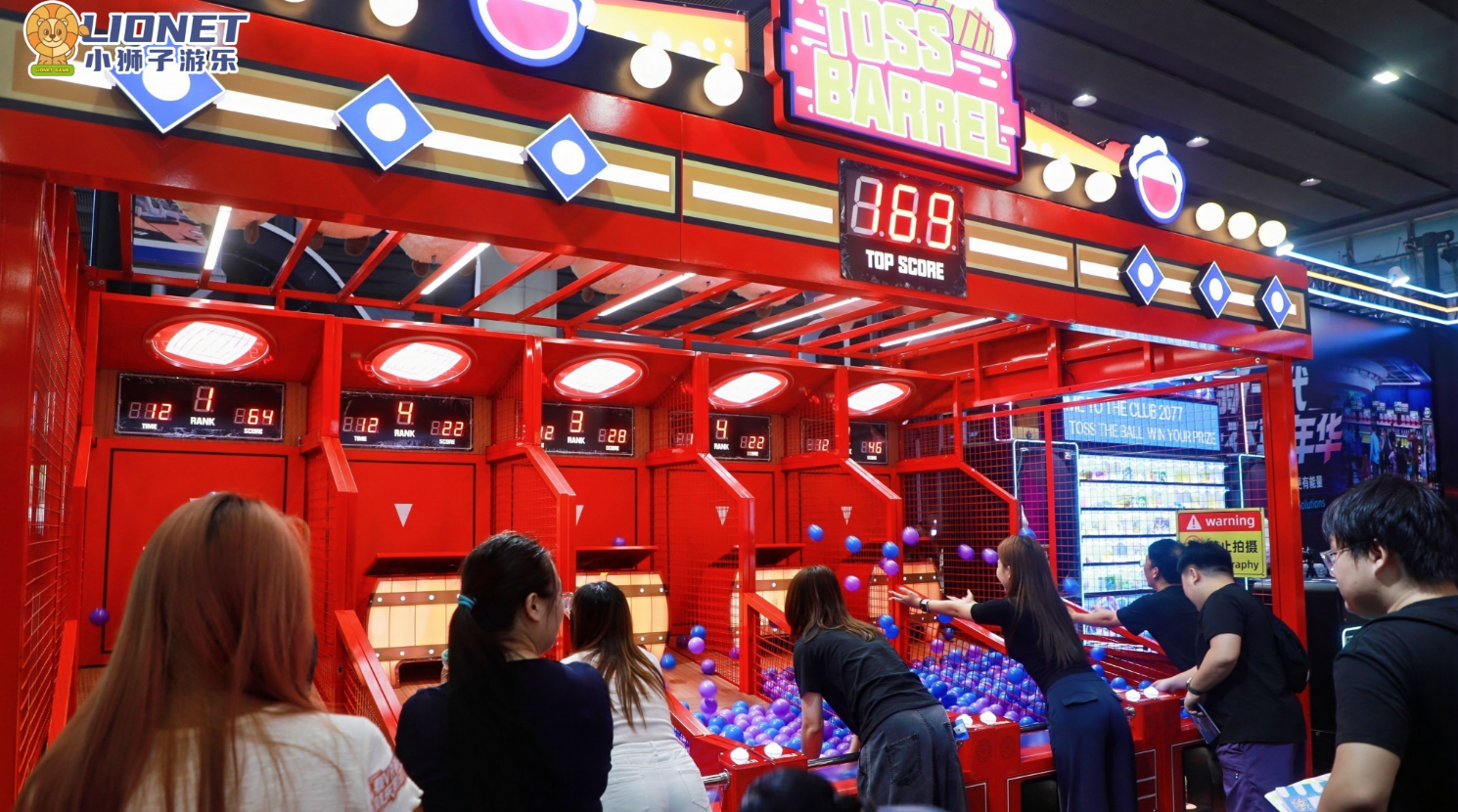
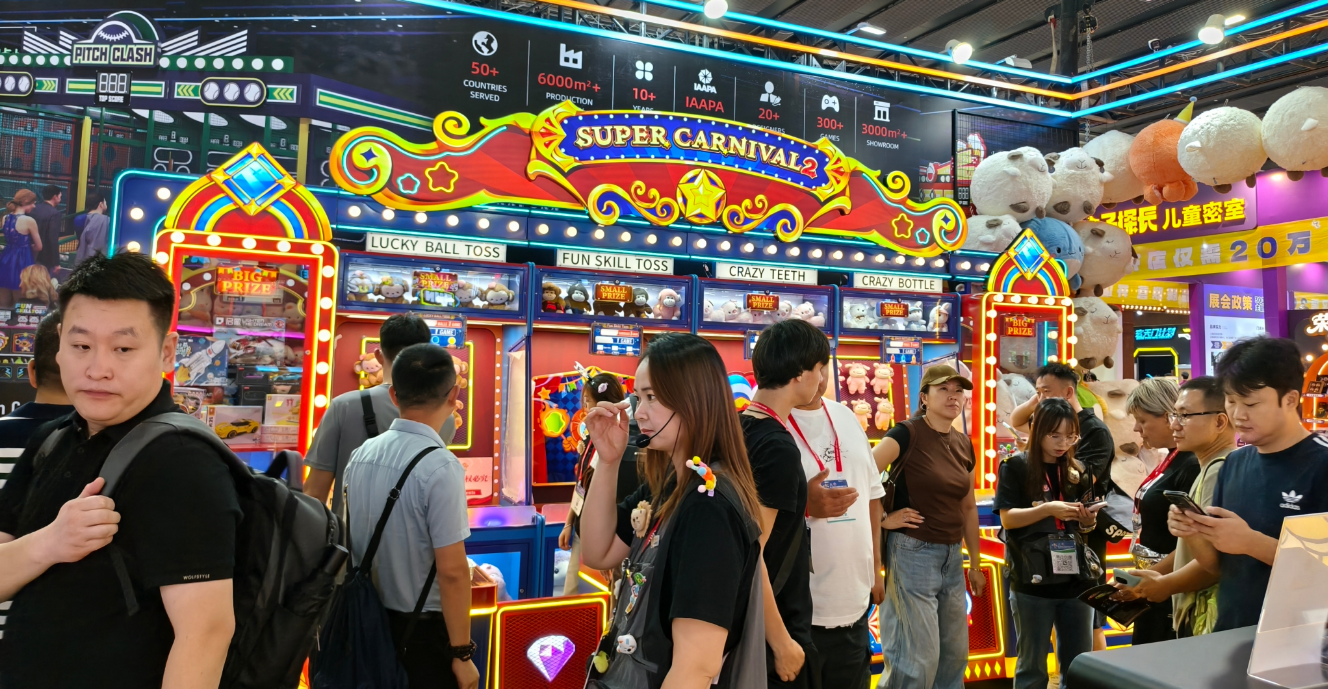
At this year's AAA Expo in Guangzhou, traditional midway games shared the exhibition floor with newer forms of interactive entertainment. A recent AAA Expo feature on LIONET explores how our work connects established carnival formats with emerging multiplayer experiences.
We see these as complementary rather than competing directions.
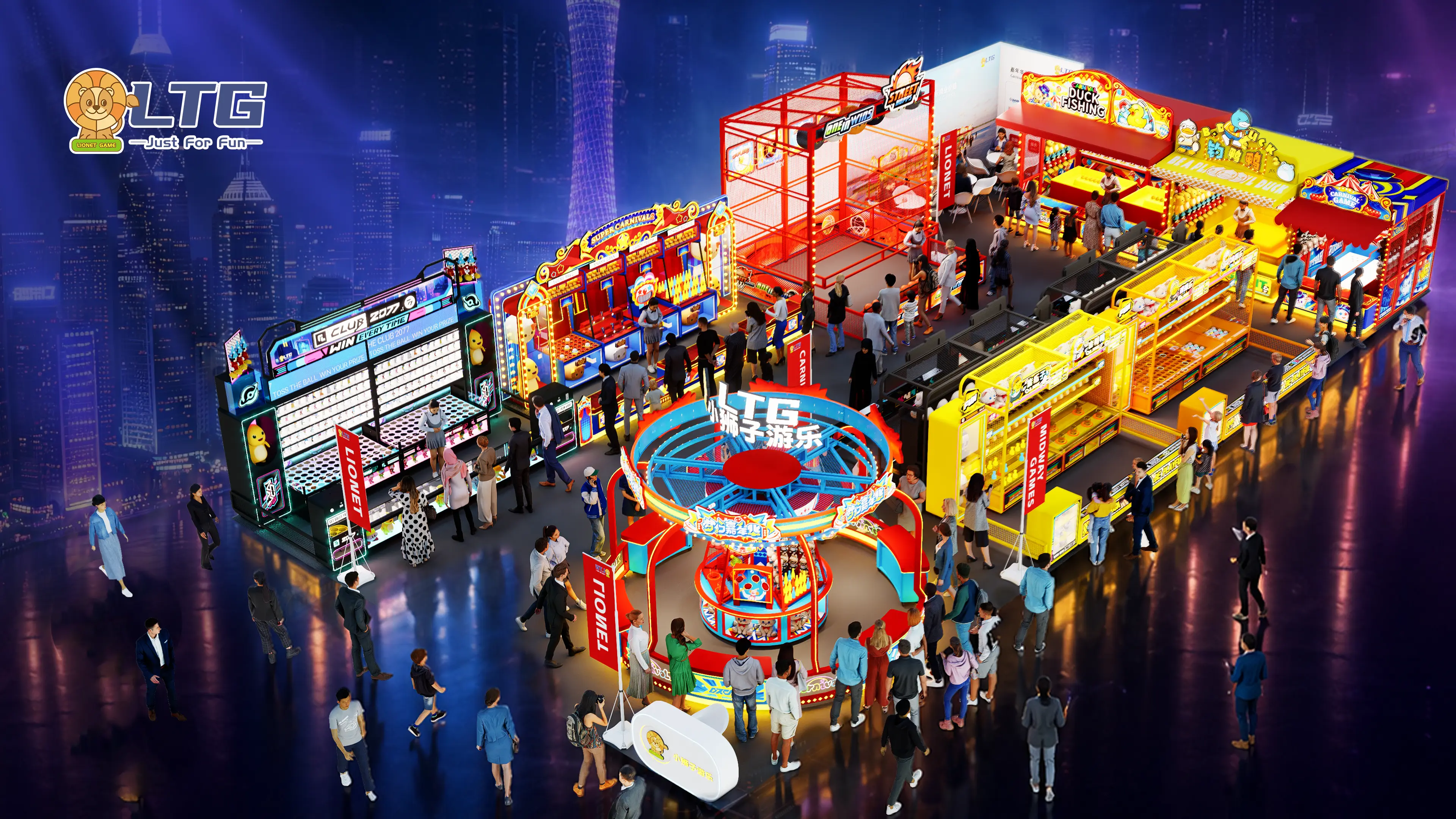
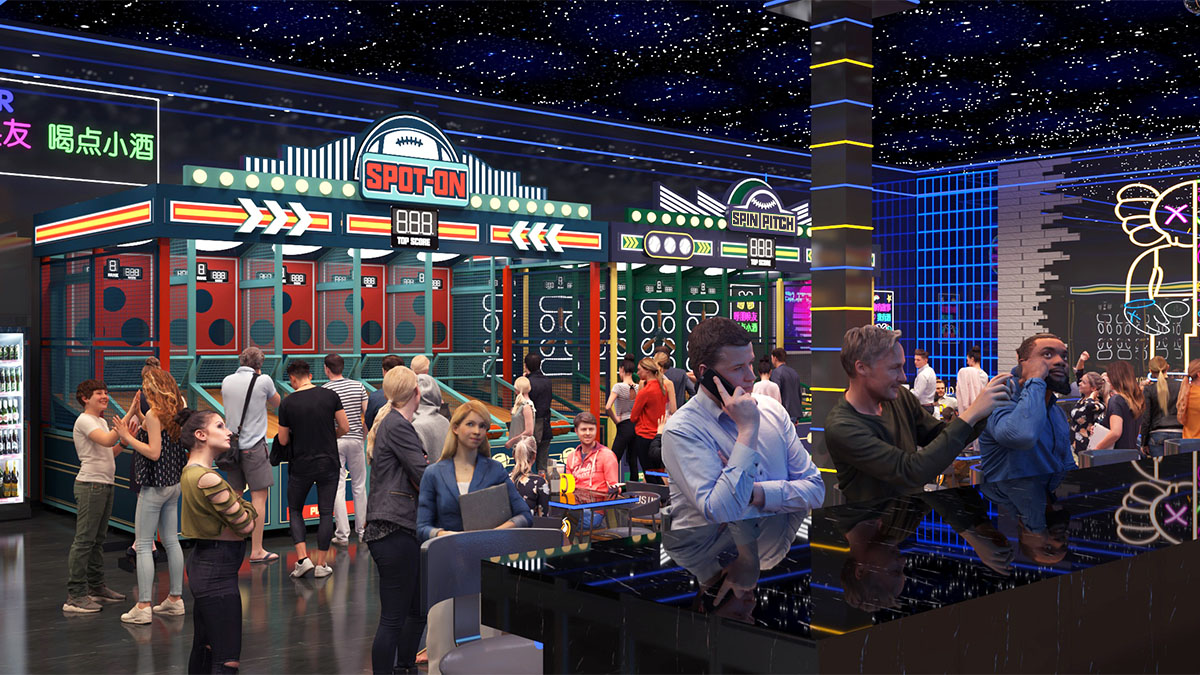
A traditional midway booth may be well suited to an amusement park or festival, while a group-based competitive game may serve a different purpose in an indoor social entertainment venue. Both have a place when the experience fits the audience.
New Formats, Familiar Human Interactions
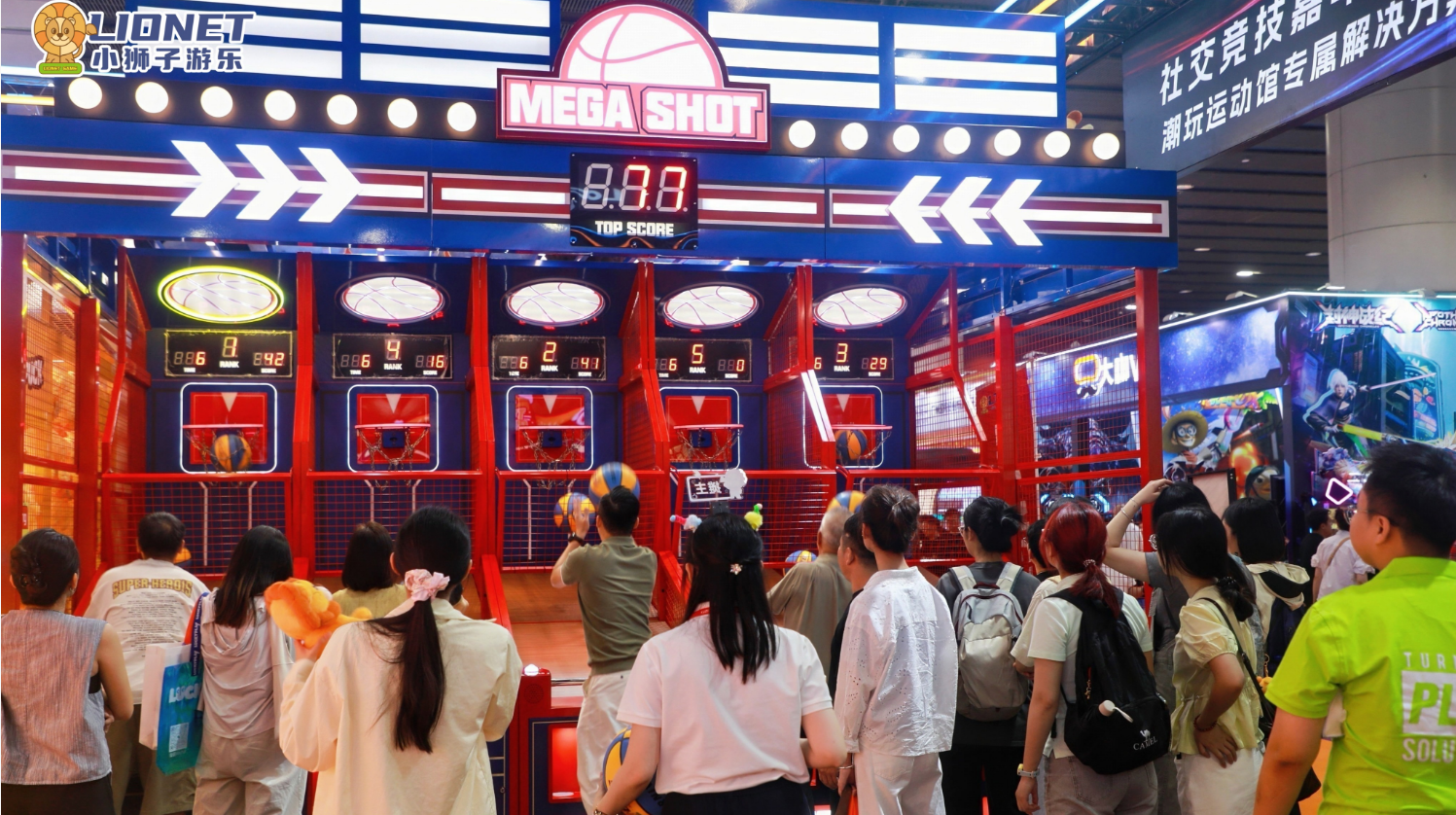
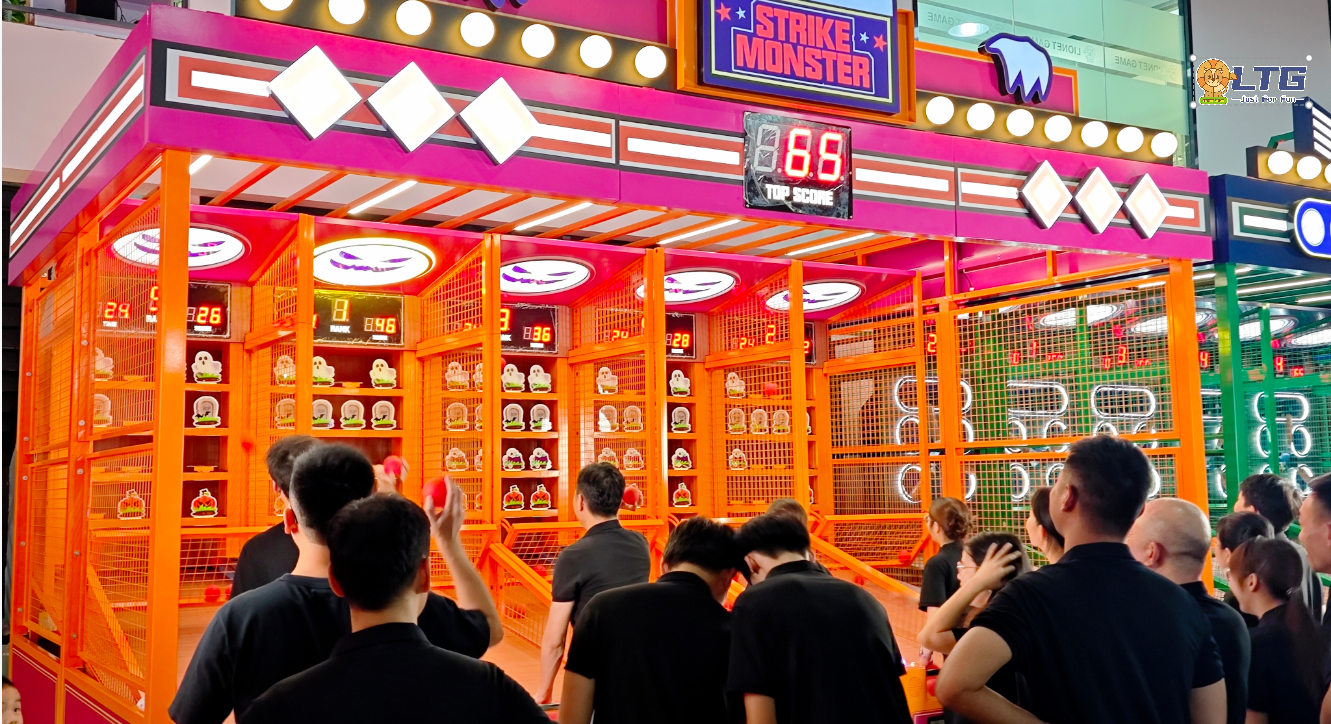
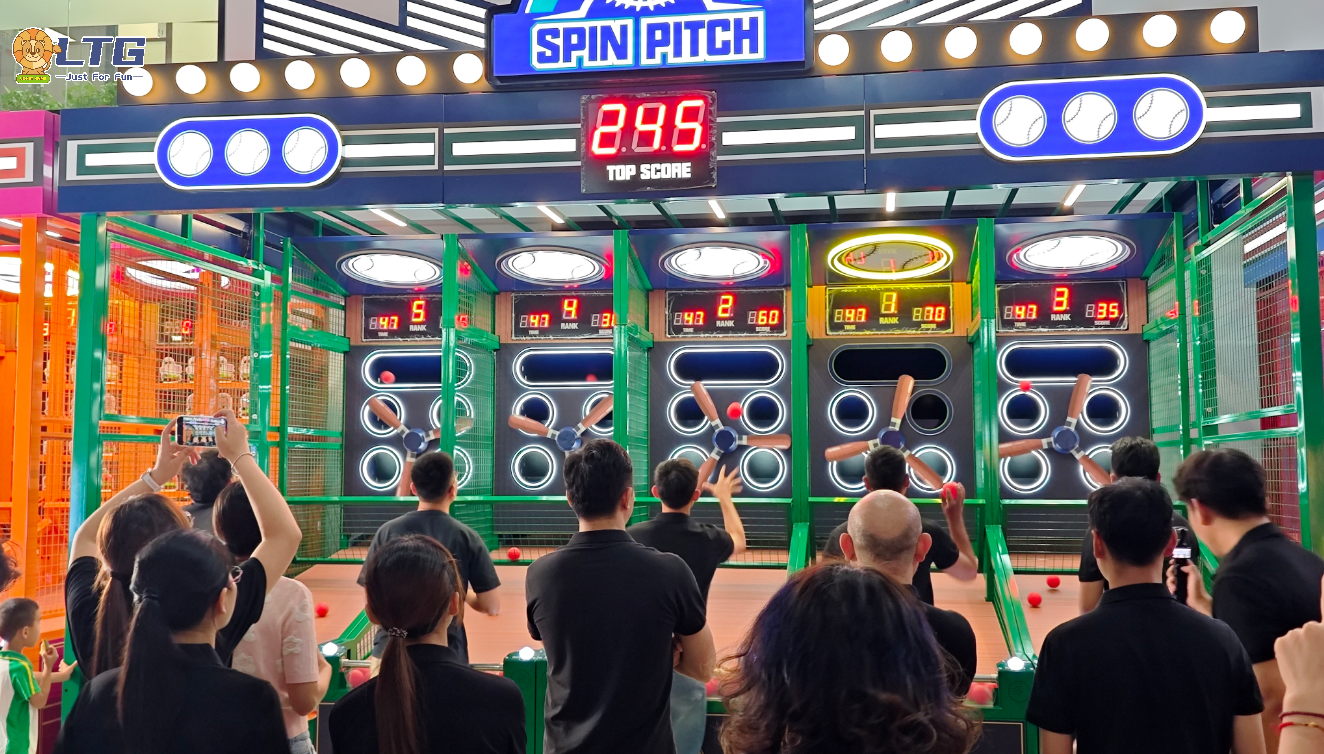
At GTI China Expo 2026, we introduced four Social Competition Carnival Games built around accessible physical challenges, multiplayer participation, and real-time competitive feedback.
The GTI AMUSE exhibition feature offers a closer look at these new games and how visitors engaged with them during the show.
What interested us was not only the games themselves, but also the discussions around their possible applications.
Could several games work together as one social entertainment area? How should players move between stations? What role should scoring and rankings play in a group experience?
These are questions we continue to explore.
Technology can make competition easier to follow, but the experience still depends on something much simpler: people enjoying a challenge together.
Learning From a Wider Industry
Exhibitions also remind us that different people look at the same equipment in very different ways.
A distributor may focus on transportation and installation. A venue operator may be thinking about staffing, maintenance, and the daily guest experience. A project designer may be considering sightlines, layout, and how individual attractions fit into a larger space.
Being part of the wider attractions community helps us understand these different perspectives. Through our participation in IAAPA and our presence in its official industry Marketplace, LIONET remains connected to an industry where manufacturers, operators, and developers exchange ideas across different entertainment markets.
These conversations matter because designing a game and designing an experience around that game are not quite the same thing.
Keeping the Conversation Going
At LIONET, we intend to keep developing traditional Carnival & Midway Games while exploring new ways to bring competition and group participation into carnival-style entertainment.
We don't believe every game needs to become a multiplayer experience. Nor do we believe familiar carnival formats should remain unchanged simply because they have worked for years.
The more useful question is what kind of experience makes sense for a particular audience, venue, and operating model.
The exhibitions may last only a few days. The conversations they start often stay with us much longer.
And sometimes, those conversations are where the next idea begins.