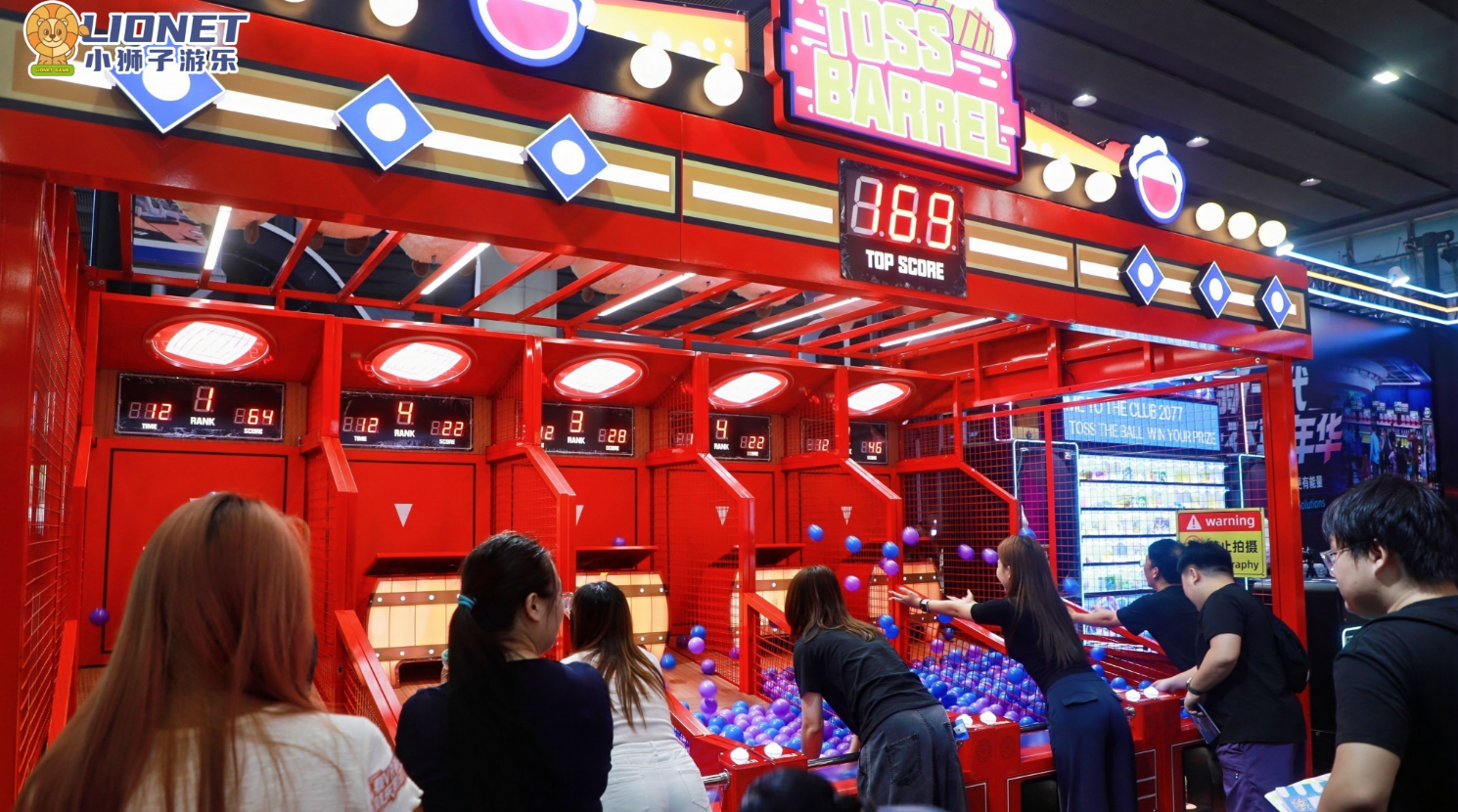
How Social Competition Carnival Games can serve different social occasions.
Why do people visit a social gaming venue?
Some come with colleagues. Others bring friends, celebrate a birthday, plan a date, or simply stop by for a quick game.
The same entertainment space may welcome all these visitors, but they are not necessarily looking for the same experience.
For operators developing Family Entertainment Centers (FECs), competitive socialising venues or mixed-use entertainment areas, this raises an interesting opportunity:
Can one collection of multiplayer carnival games support different reasons to visit?
Social Competition Carnival Games offer one possible approach, combining familiar physical challenges with group competition and visible scoring.
The opportunity lies not just in the games, but in how they are used.
Six Occasions, Different Experiences
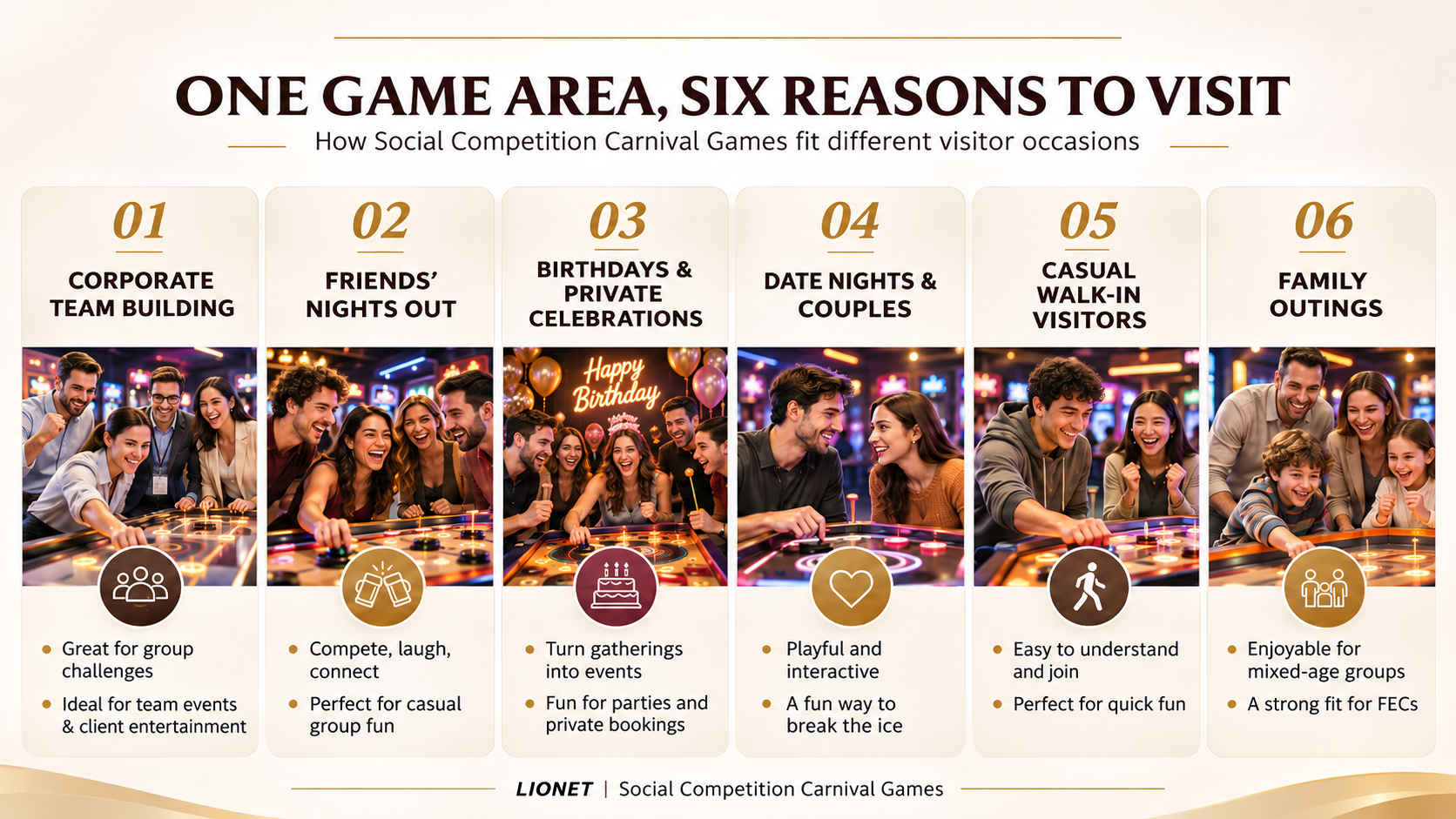
1. Corporate Team Building & Client Events
Colleagues don't need to be experienced players to enjoy a friendly challenge.
Accessible throwing, aiming and basketball games can provide activities for team competitions, group rotations or informal corporate gatherings.
For operators, these events may create opportunities for pre-booked group sessions, provided the venue has suitable hosting, capacity and scheduling arrangements.
2. Friends' Nights Out
Sometimes, a group of friends simply wants something more interactive than another evening sitting around a table.
Multiplayer games give them a reason to challenge one another, celebrate a surprising win and ask for another round.
The game provides the activity. The people create the atmosphere.
3. Birthdays & Private Celebrations
A birthday gathering can become more interactive when guests have something to play together.
Short skill-based challenges can be organized as individual games or a friendly group competition.
Private bookings, event hosts and refreshments can complement the experience, depending on the venue's operating model.
4. Date Nights & Couples
Not every social gaming experience requires a large group.
For couples, a simple competitive challenge can create conversation, laughter and playful moments.
The important consideration is accessibility: games should be easy to understand, while the venue should offer participation options that make sense for smaller groups.
5. Casual Walk-In Visitors
Some guests arrive without a reservation.
For shopping-mall entertainment areas and FECs, familiar carnival-style gameplay may be particularly useful because visitors can often understand the basic challenge by watching others.
Clear instructions, manageable queues and suitable session formats are essential if operators want to accommodate spontaneous play.
6. Family Outings
Families bring different ages and abilities into the same entertainment space.
A combination of traditional Carnival & Midway Games and multiplayer competition stations can offer different levels of participation.
Operators should consider age suitability, player height, supervision and the actual physical requirements of each game.
One Area Doesn't Mean One Operating Model
These occasions may share the same equipment, but they require different approaches to operation.
A corporate event might need scheduled group rotations. Friends may prefer casual competition. A birthday celebration could benefit from an event host, while walk-in visitors need a simpler way to join.
For operators, the key considerations are the expected audience, available space, session structure and staffing.
A venue should not assume that installing multiplayer games automatically creates six successful revenue streams.
It needs an operating concept that makes the experiences practical for its actual customers.
Where LIONET Fits In
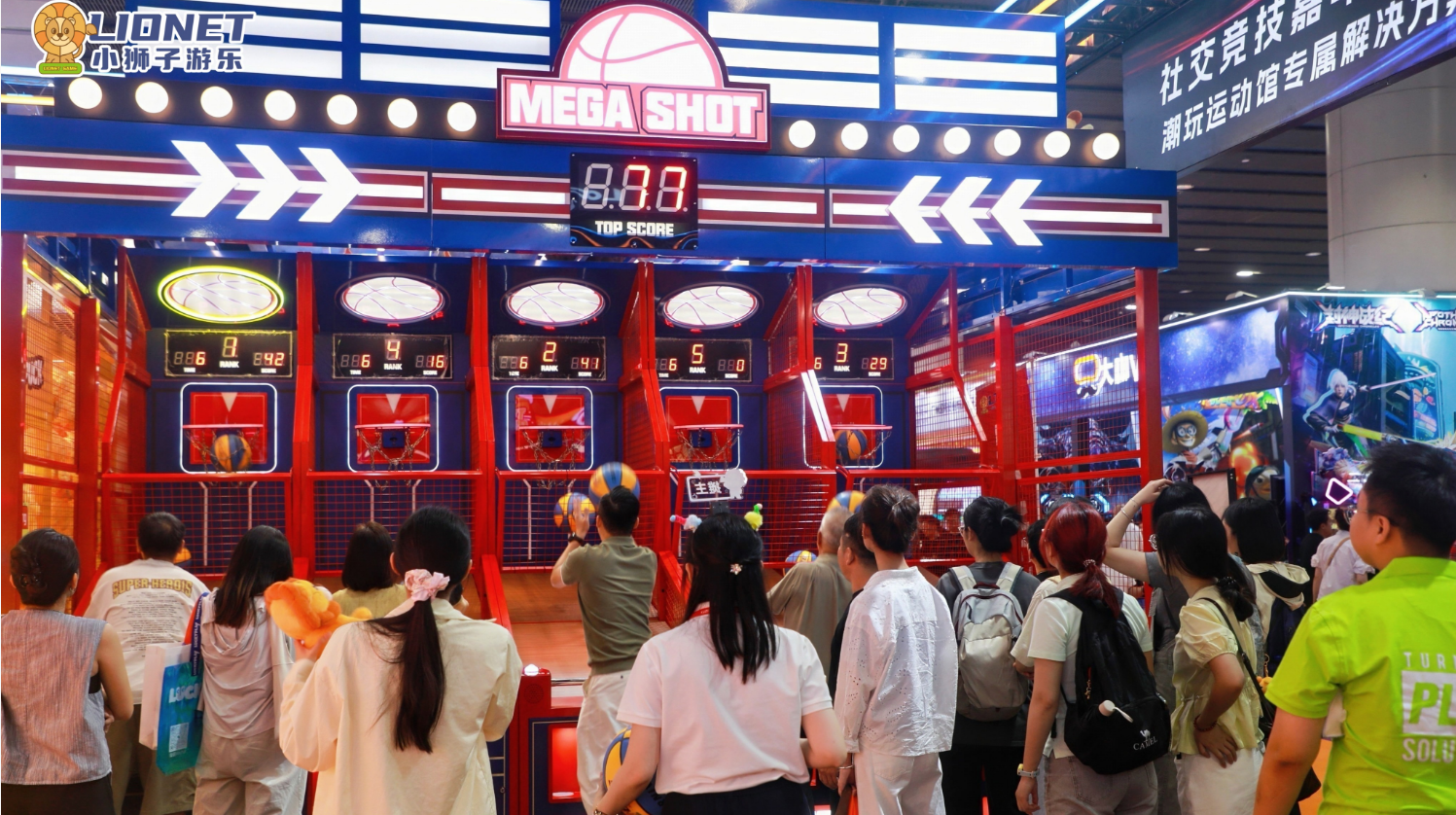
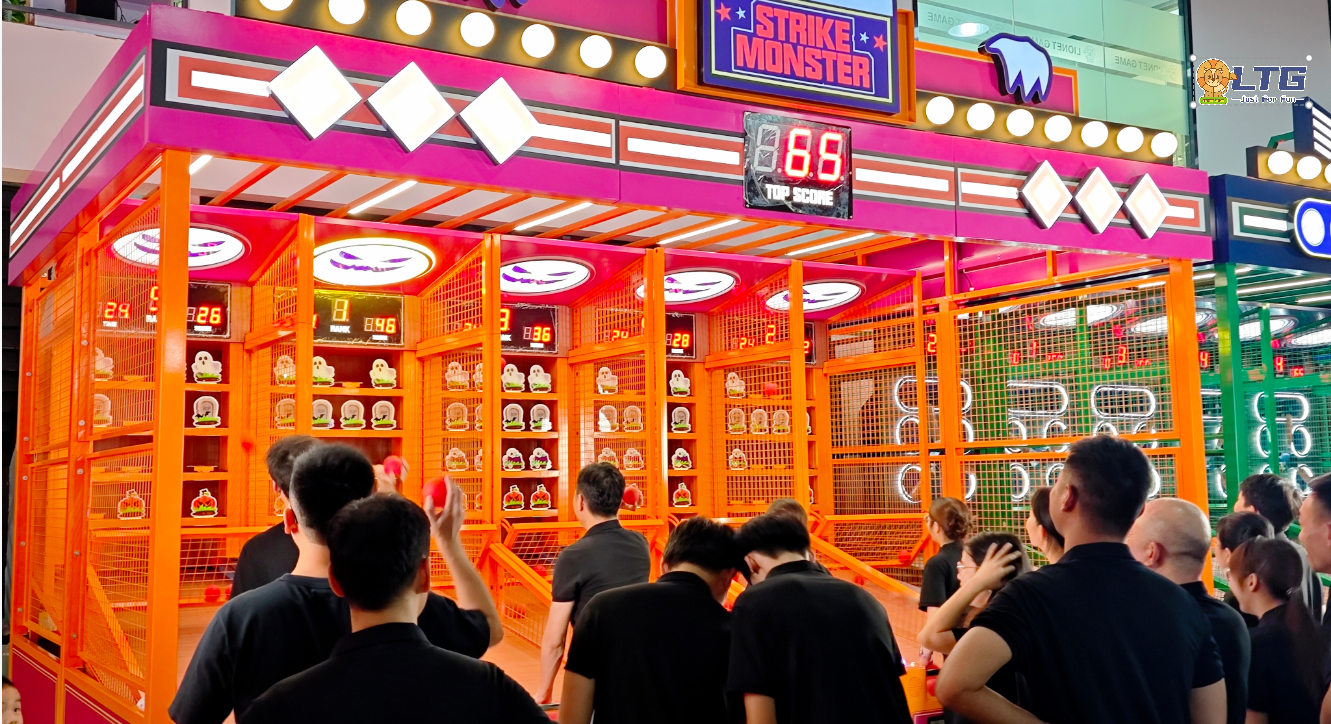
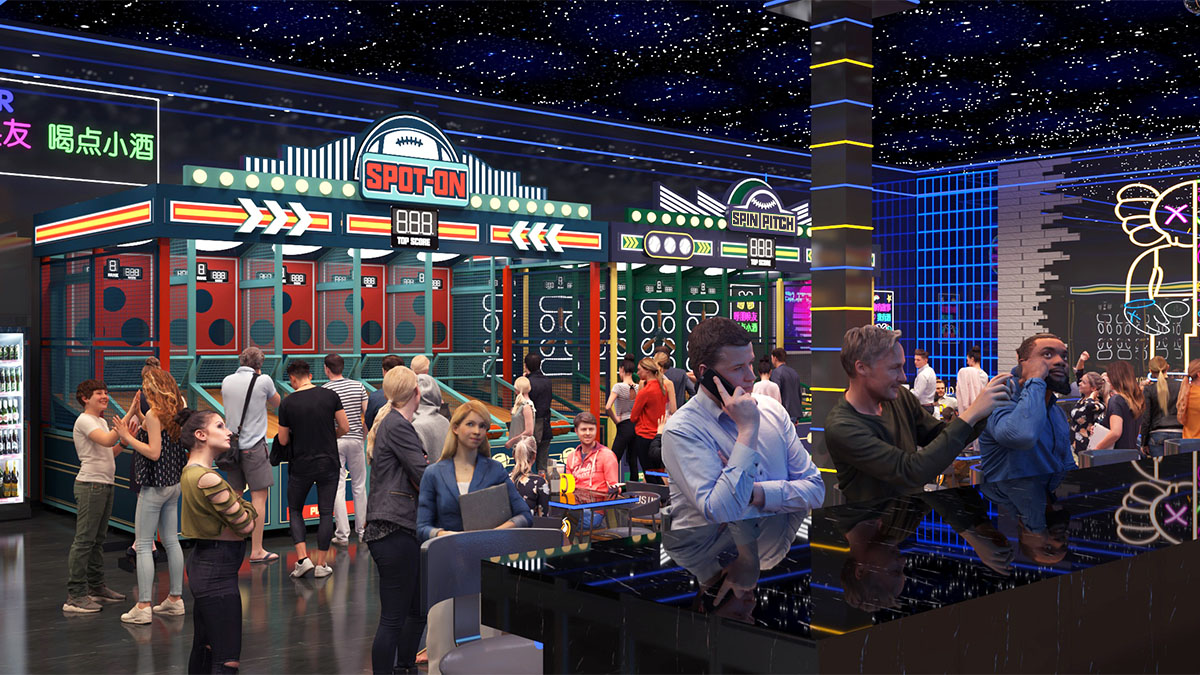
At LIONET, our Social Competition Carnival Games include multiplayer physical challenges such as Spin Pitch, Barrel Toss, Monster Strike and Mega Hoops.
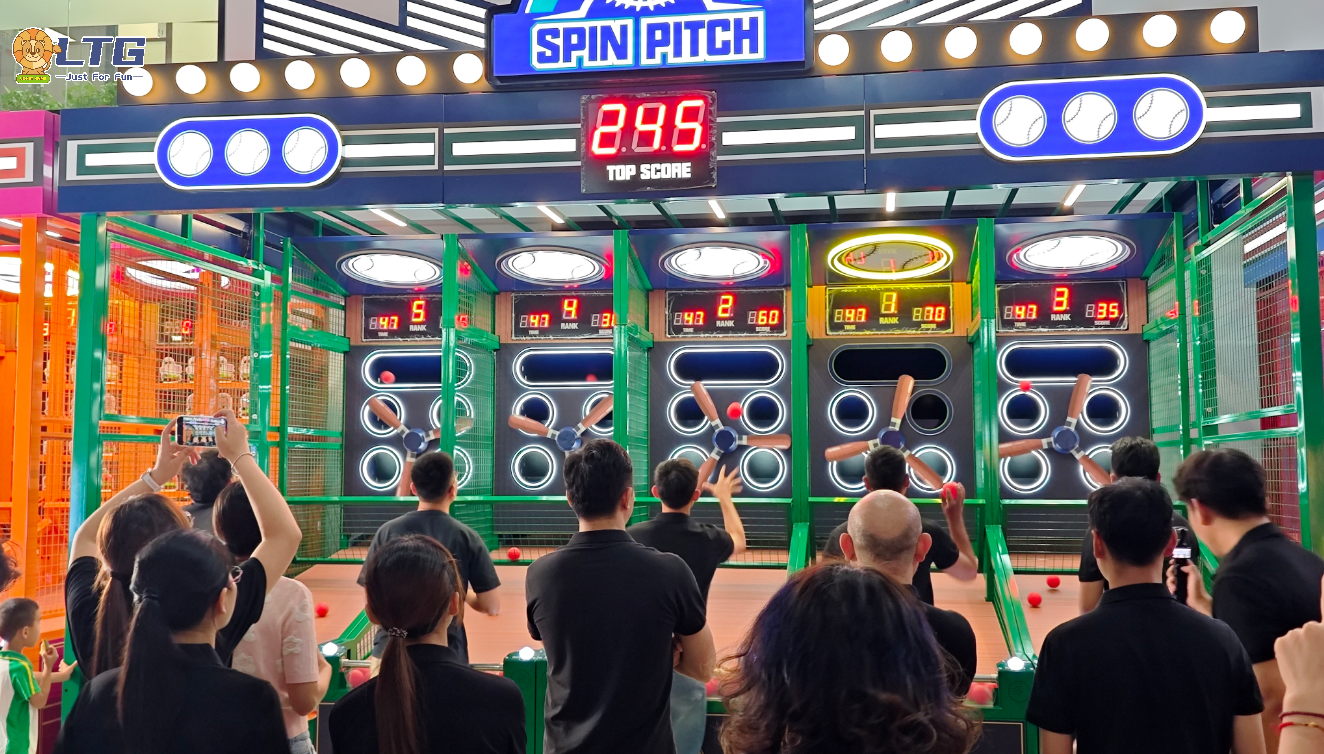
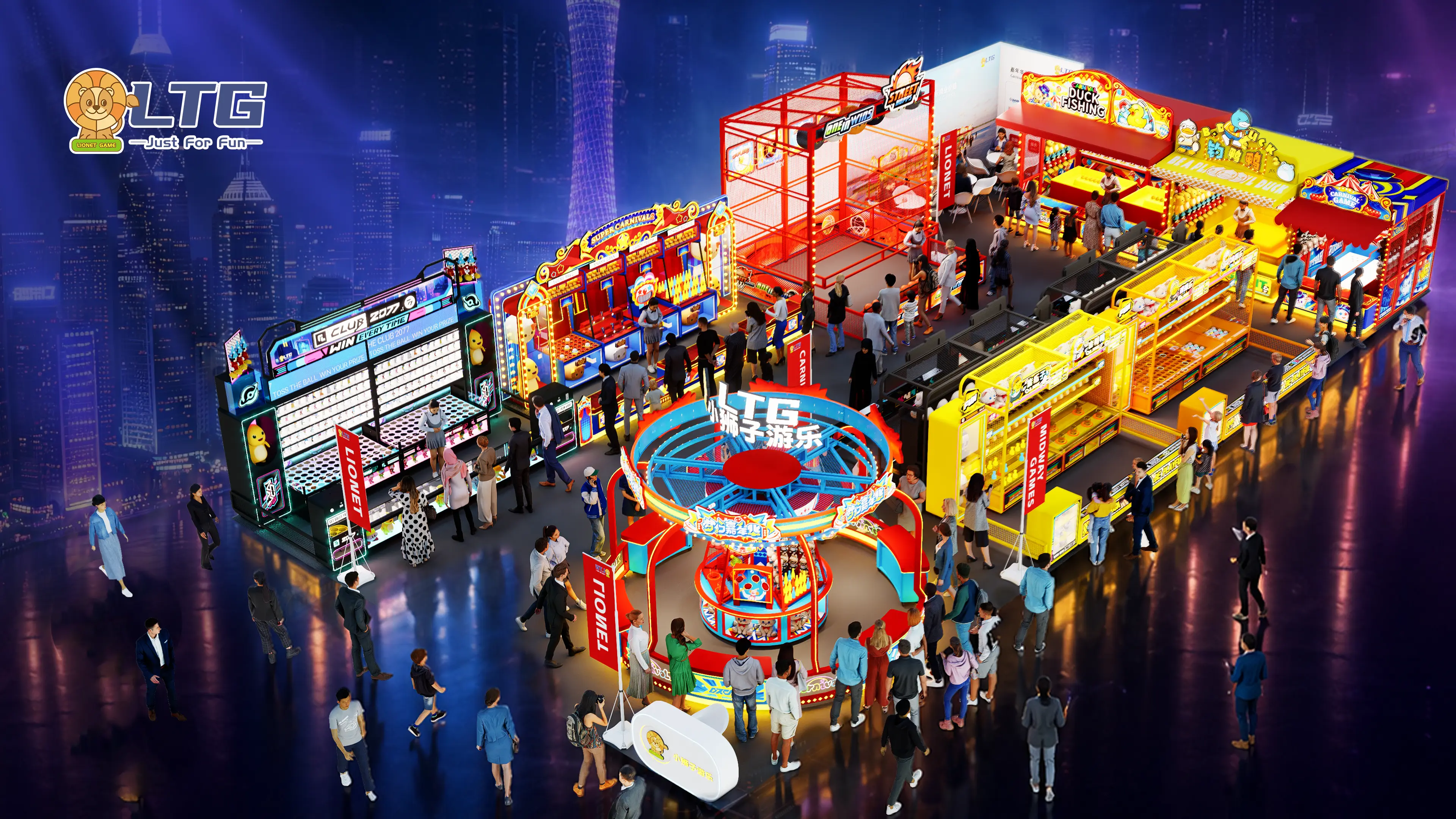
These complement our established Carnival & Midway Games range, giving operators different options when planning an entertainment area.
Selected configurations support automatic scoring, live rankings and shared competition systems across compatible games.
The final game selection, layout and operating format should be developed around each venue's requirements.
Because people may visit for different reasons, but they share one expectation:
They want an experience worth enjoying together.
Explore LIONET Social Competition Carnival Games or contact our team to discuss your entertainment project.