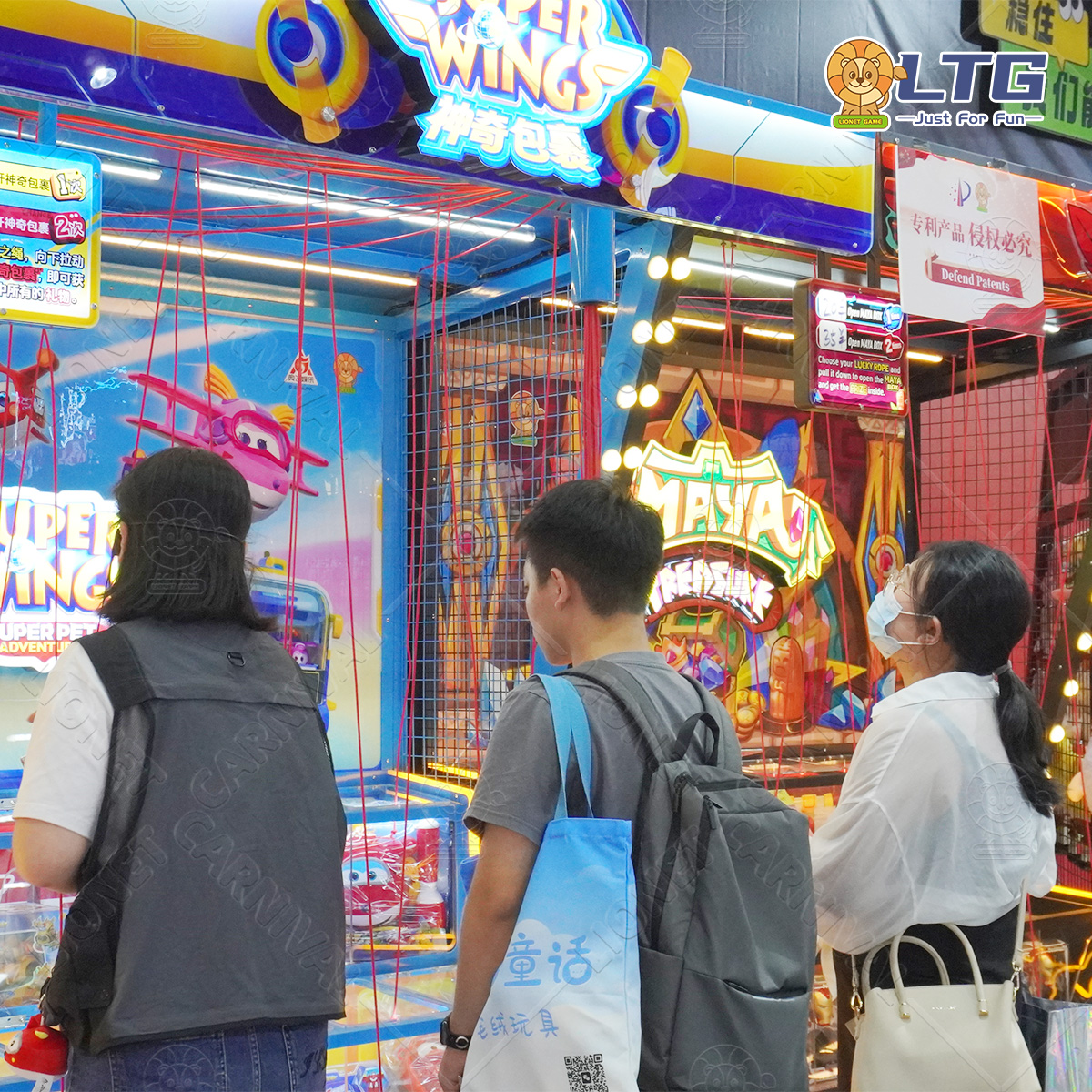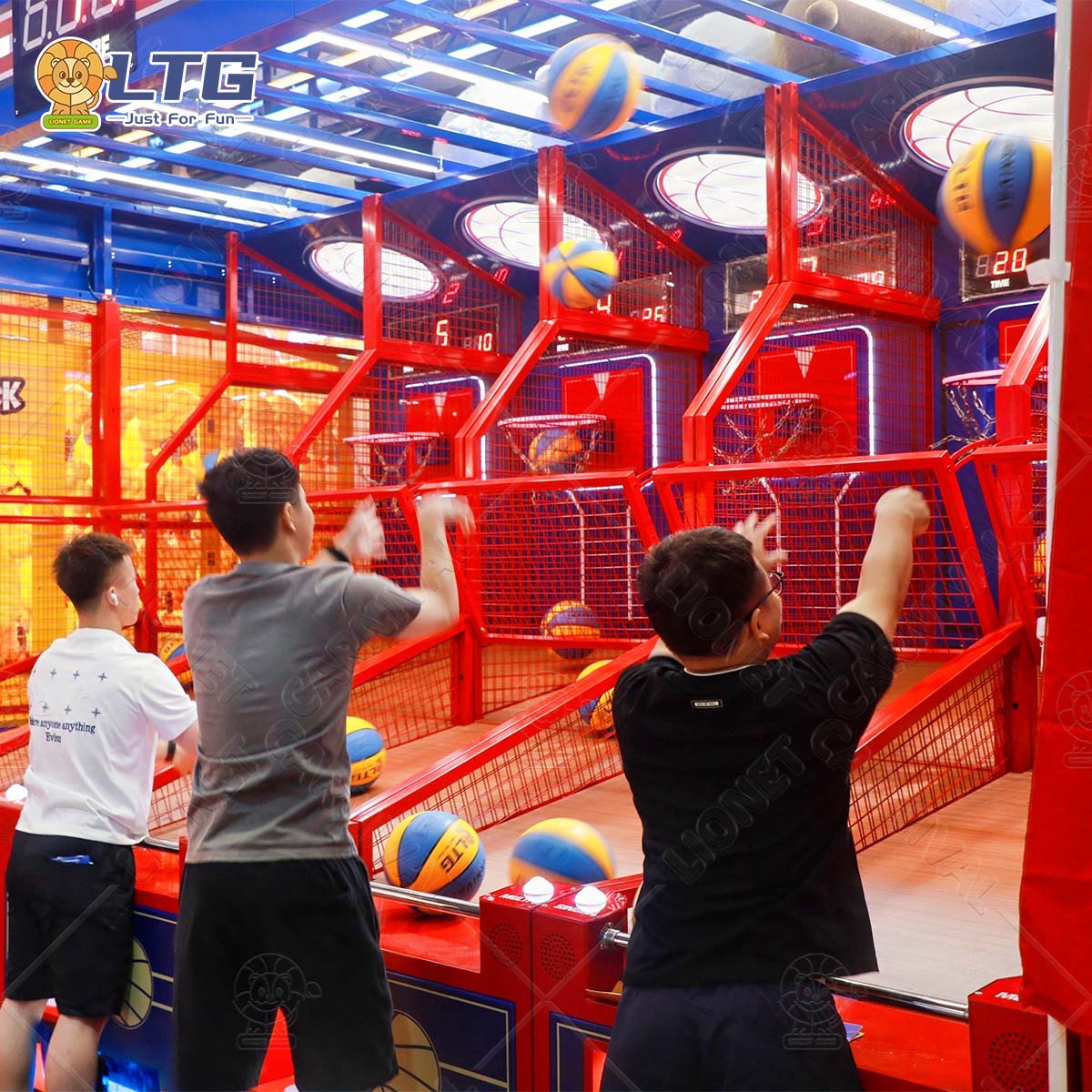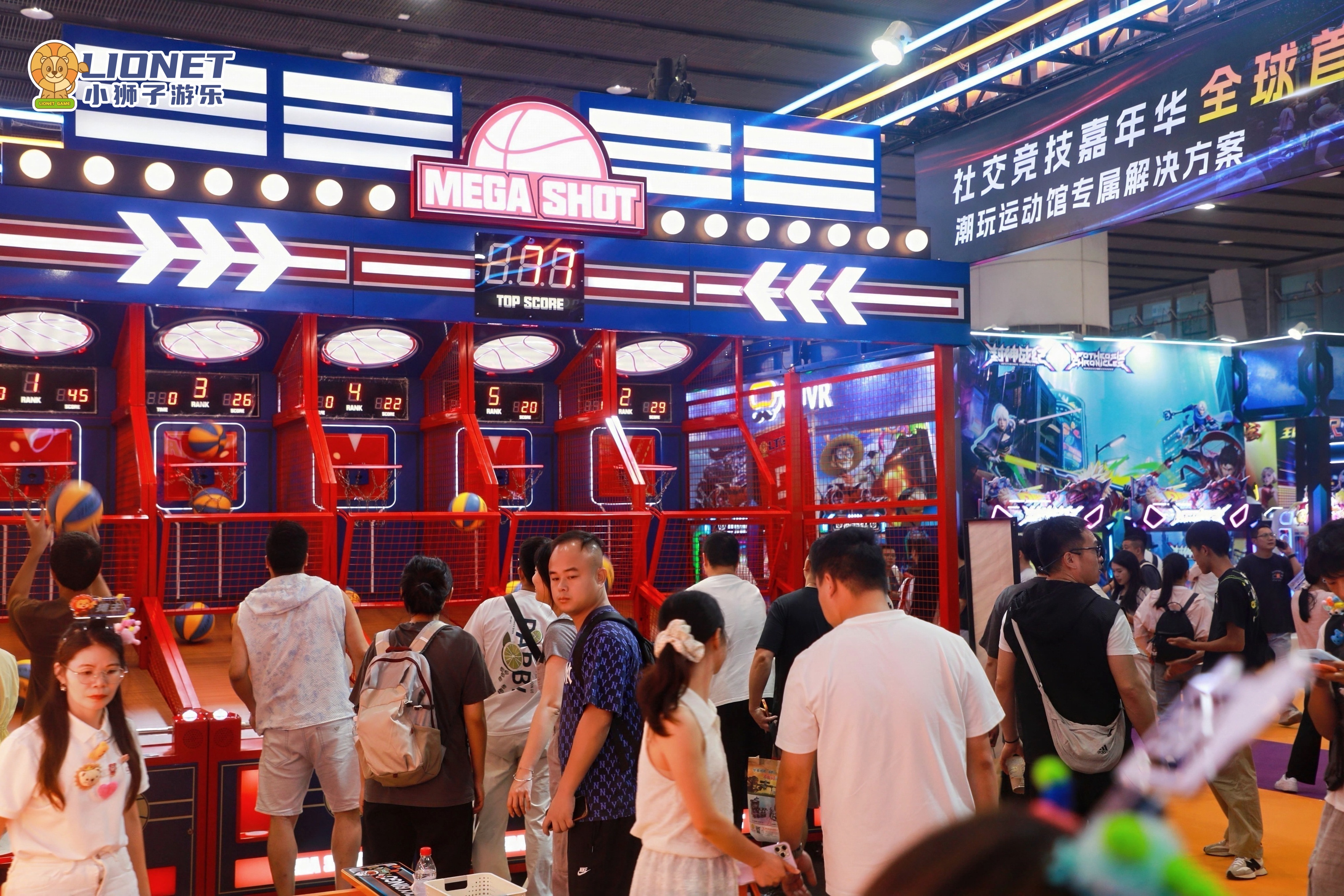
The next opportunity in competitive socialising may not require inventing an entirely new game. It may come from making familiar games more interactive, more social and better suited to modern entertainment venues.
For Family Entertainment Center (FEC) operators and competitive socialising investors, the challenge is not simply finding another impressive attraction. It is choosing an experience that guests can understand, enjoy together and that the venue can operate consistently.
Technology can help. Automated scoring, interactive feedback and digital competition can change how people experience physical games. But more sophisticated technology does not automatically create a better attraction.
An increasingly relevant question for the industry is whether familiar games, thoughtfully redesigned, can offer a practical foundation for the next generation of social entertainment.
The Case for Starting With What Guests Already Know
Consider activities such as mini golf, darts, basketball shooting, shuffleboard and carnival-style throwing games.
Their physical actions are generally recognizable. Players aim, throw, roll or shoot toward a visible objective. Even when the rules vary, the basic challenge can often be demonstrated without lengthy instructions.
This familiarity can be useful in social entertainment environments, where groups may include first-time players, different generations and people with varying skill levels.
A game that is easy to understand has the potential to reduce the time between seeing an attraction and deciding to participate.
That does not mean every familiar game is automatically accessible or commercially successful. Difficulty, physical requirements, pricing, game duration and the surrounding environment still matter.
A recent industry example illustrates the approach.
In an October 21, 2026 feature published by blooloop, Holovis representatives described how their 360Golf concept builds on traditional mini golf through automated scoring, digital gameplay features and connected player experiences.
Rather than replacing mini golf with an unfamiliar activity, the concept adds technology to a recognizable physical game.
According to 360Golf's own product information, its HoloTrac technology uses smart balls and course components to track strokes. Additional features introduce new scoring opportunities and interactive challenges.
The example demonstrates a product-development approach, not proof that digital mini golf consistently outperforms conventional courses. Claims about commercial returns or increased repeat visits still require independent operator data.
The more interesting lesson is that innovation does not always need to begin with an unfamiliar game mechanic.
It can begin with an established form of play and reconsider how people experience it together.
Technology Should Make Competition Clearer, Not Harder
The purpose of technology in competitive socialising should be connected to the player experience.
A score that is easy to follow can make a competition more engaging for a group. Visible progress can give spectators a reason to pay attention. Clear feedback can help players understand what happened and what to try next.
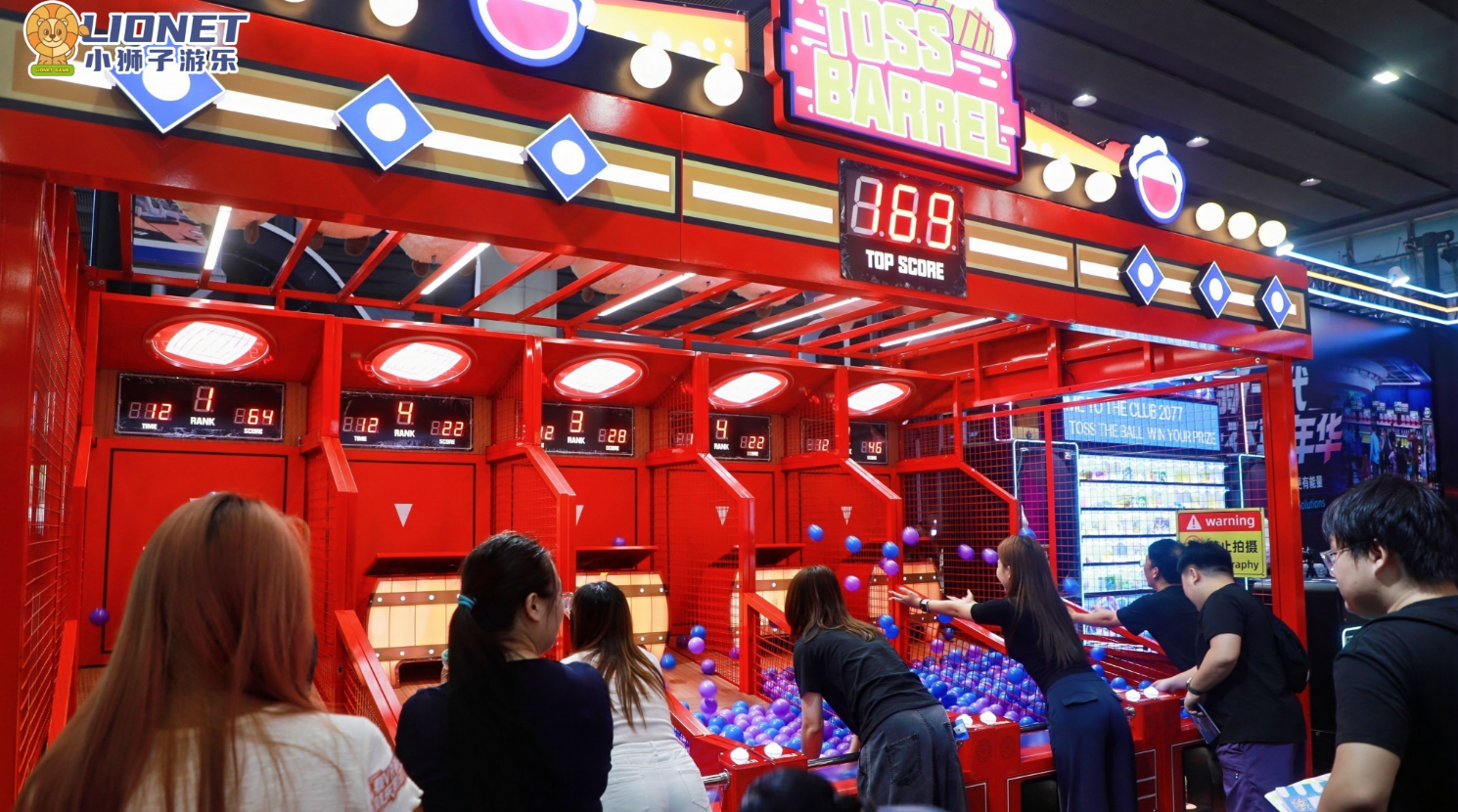
However, these features only create value when they support enjoyable gameplay.
For example, an electronic scoring system may be useful when it reduces disputes or eliminates manual scorekeeping. A leaderboard may add excitement when players understand the ranking and have a realistic chance to compete.
Conversely, a poorly designed interface may interrupt the experience, while complicated registration procedures can discourage spontaneous participation.
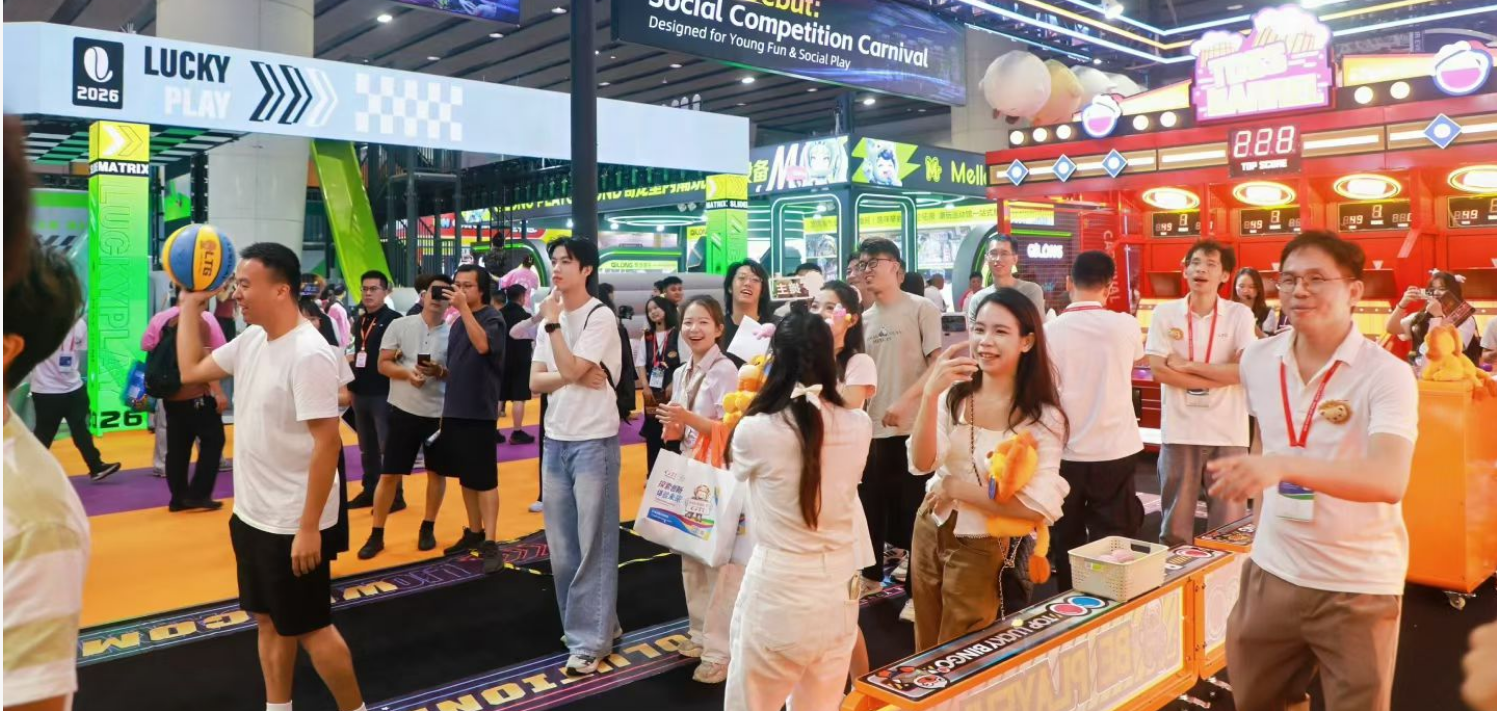
In an October 2026 blooloop examination of competitive socialising at EAG360, industry participants emphasized seamless technology, ease of use and better integration between venue systems.
Their comments highlight an important distinction: technology that improves the experience for customers is not necessarily the same as technology that improves operations for the venue.
The strongest solutions should attempt to address both.
For guests, the experience should remain intuitive. For operators, the underlying systems should be dependable, maintainable and compatible with the venue's operating model.
This creates three practical design priorities:
-
Understandable gameplay: Guests should recognize the objective and receive clear feedback.
-
Meaningful social interaction: Competition, teamwork or shared challenges should make participation enjoyable beyond an individual score.
-
Operational reliability: Scoring systems, controls and physical components must be practical to maintain during normal business operations.
An advanced system that frequently interrupts play may be less valuable than a simpler attraction that operates reliably.
The Operator's Test: Six Questions Before Investing
Familiar games may offer an appealing starting point, but purchasing decisions require more than enthusiasm for the concept.
Operators should evaluate the complete attraction, including its physical design, social experience, technology and ongoing operating requirements.
1. Can first-time guests understand the challenge?
Watch how people respond without a detailed explanation.
Do they recognize the objective? Can they begin playing confidently? Do they understand when they have succeeded?
Short demonstrations and first-time-user trials can help reveal where instructions or interfaces create unnecessary friction.
2. Does the game create a genuinely social experience?
A multiplayer label is not enough.
Operators should observe whether players encourage each other, communicate during the activity and stay interested when it is not their turn.
Team challenges may work better for some groups than individual rankings. Other audiences may prefer cooperative or low-pressure play.
3. Does the attraction fit the venue's available space and capacity?
A game may attract attention but still create operational problems if waiting areas, spectator space or circulation routes are poorly planned.
Operators should estimate how many paying sessions the attraction can complete during a typical operating hour, then test those estimates during realistic peak periods.
Capacity should be considered alongside the usable floor area, queue management and staffing requirements.
4. What happens when the technology fails?
Automatic scoring and connected systems introduce additional components that may require maintenance.
Operators should ask suppliers about system recovery, spare parts, technical support, fault diagnosis and whether play can continue in a limited mode during an outage.
The relevant question is not whether a product contains advanced technology, but whether that technology can be supported throughout its operating life.
5. What is the complete cost of operation?
Equipment price is only one component.
Depending on the attraction, costs may include installation, staffing, maintenance, consumables, software support, utilities, prizes and replacement parts.
Prize-based carnival games also require a suitable reward structure and clear operating procedures. Local regulatory requirements should be reviewed where relevant.
A commercially attractive purchase must make sense under realistic demand and cost assumptions.
6. What evidence would justify further investment?
Before expanding a game area, operators should establish a baseline and evaluate actual usage, session completion, downtime, guest feedback and contribution after direct operating costs.
Where appropriate, controlled trials or phased deployments can help operators distinguish initial curiosity from sustained demand.
A successful demonstration at a trade exhibition is valuable feedback, but it is not a substitute for performance evidence from everyday venue operations.
When Familiar Games Are Not Enough
There is a serious limitation to the argument for familiar games: familiarity can make an attraction approachable, but it can also make it ordinary.
A venue filled with recognizable activities may struggle to differentiate itself if its design, service, programming and overall atmosphere are unremarkable.
In some markets, a more distinctive immersive attraction or a large-format experience may provide a stronger reason to visit.
There is also the risk of designing too heavily around competition.
In a 2025 blooloop opinion article, Lou Pizante argued that competitive play represents only one part of the broader social entertainment experience. Not every guest wants intense competition or a visible ranking.
That is an important challenge for the sector.
A successful social venue may need different levels of participation, from competitive tournaments to relaxed group activities. The right game mix depends on its intended audience, operating model and positioning.
Operators should also be cautious about assuming that digital features automatically improve repeat visitation.
New scoring modes and leaderboards can provide additional reasons to participate, but their impact depends on execution and must be evaluated through real customer behaviour.
As Barry Zelickson argued in a September 2026 IAAPA article on FEC trends, operators should look beyond technology for its own sake and consider whether an attraction provides an experience worth repeating.
The appropriate conclusion is not that familiar games are always better.
It is that their potential advantages should be assessed alongside novelty, differentiation, reliability and commercial performance.
What This Means for Carnival & Midway Games
Carnival & Midway Games provide a relevant example of how established physical activities can be considered for contemporary social entertainment.
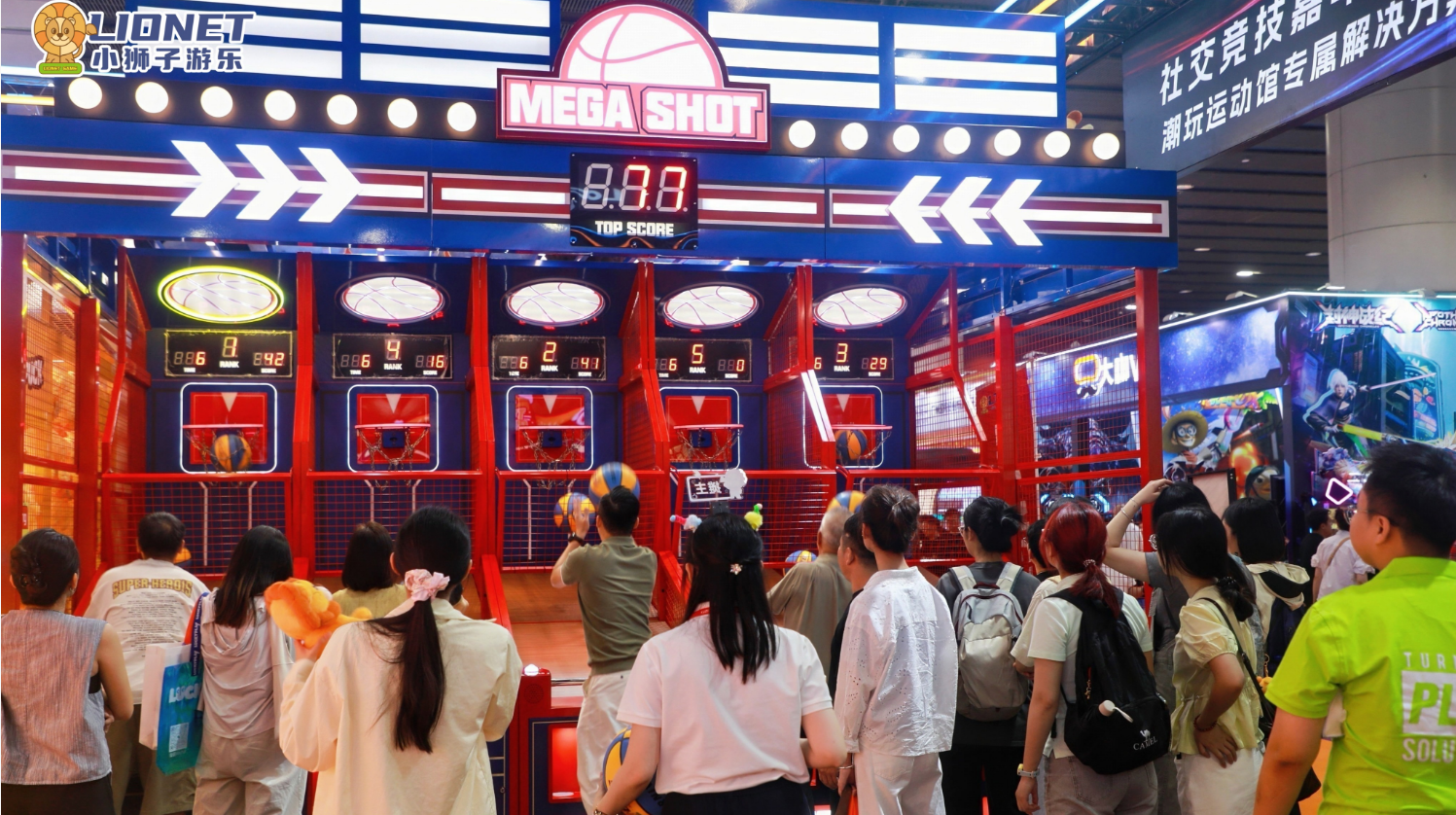
Many formats are built around visible actions: throwing a ball, shooting toward a target, landing an object or completing a short skill challenge.
These mechanics can provide a foundation for competitive formats, provided the physical design, scoring rules and group experience work together.
At Lionet, we see an opportunity to explore this connection without abandoning the traditional carnival experience.
Our work in Carnival & Midway Games continues alongside the development of Social Competition Carnival Games, a product category focused on bringing physical skill challenges into group-oriented entertainment settings.
The distinction matters.
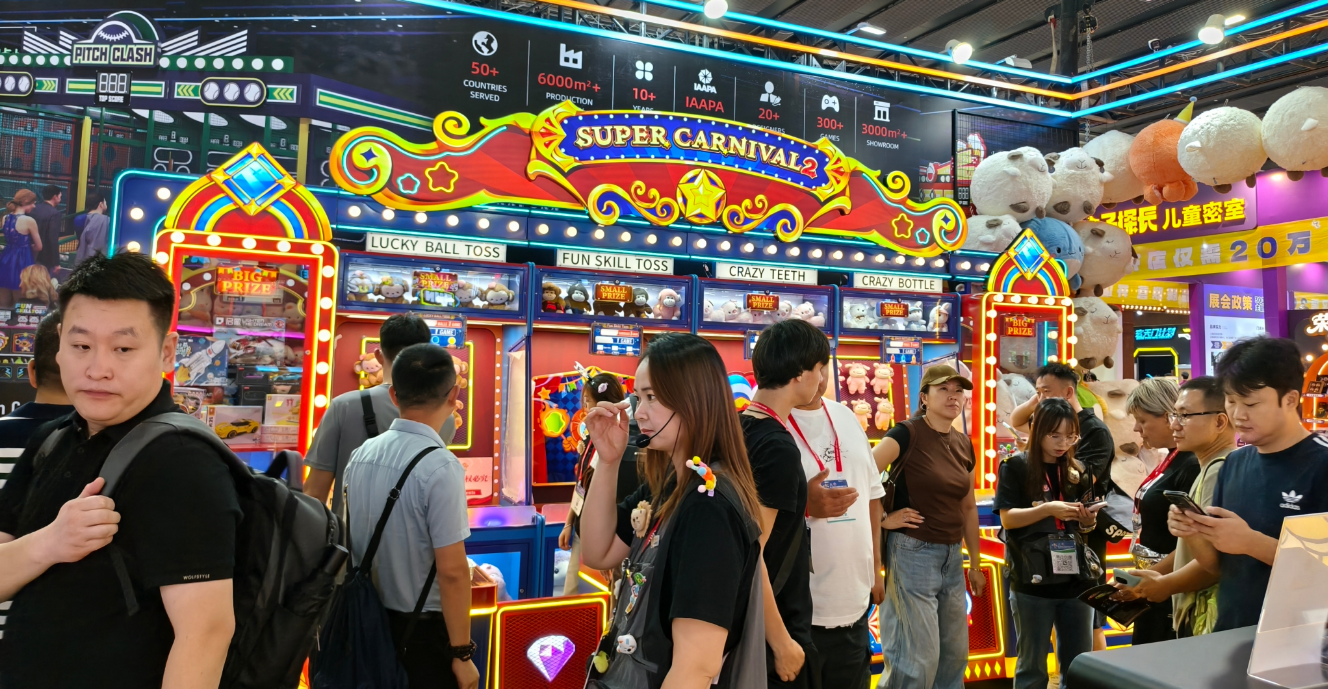
Traditional carnival games can remain appropriate for staffed midway operations, seasonal attractions, FEC game zones and prize-based entertainment.
Social Competition Carnival Games explore additional ways to organize physical challenges around group participation and competitive play.
These are complementary approaches, not a requirement for every operator to adopt digital systems or transform an entire venue.
For investors and project developers, the most useful starting point is therefore not a technology specification or an impressive promotional video.
It is a clear understanding of the intended customer, the desired social experience and the operating constraints of the venue.
Only then should operators decide how much automation, digital scoring or connected competition the attraction genuinely needs.
A More Practical Direction for Social Entertainment
Competitive socialising does not have to mean choosing between traditional play and modern technology.
The more useful opportunity may be designing an appropriate relationship between the two.
Familiar games can provide a recognizable starting point. Thoughtful interaction design can make them more social. Well-selected technology can support both play and venue operations.
But the commercial case must still be established through realistic testing.
For FEC operators, competitive socialising venues and entertainment project developers, the objective should be to create experiences that people enjoy together—and that the business can operate sustainably.
Lionet develops Carnival & Midway Games and Social Competition Carnival Games for commercial entertainment environments. Operators evaluating a new social gaming area can discuss their venue layout, target audience, gameplay requirements and operating model with our team to assess an appropriate equipment configuration.