What Should a Custom Carnival Game Manufacturer Actually Deliver?
A custom carnival game manufacturer should translate a venue or brand concept into an approved commercial game configuration—not simply apply new artwork to an existing cabinet. The deliverable should include an agreed gameplay experience, physical layout, technical specification, manufacturing scope, inspection criteria, and an achievable handover plan. Without those elements, buyers can receive equipment that looks right but does not fit their floor, staffing model, or opening schedule.
For a family entertainment center (FEC), the priority may be accessible games and group participation. For an event company, it may be transport, repeat setup, and a design that can be branded for multiple clients. A theme park may prioritize circulation and robust daily operation. An equipment distributor needs repeatable specifications and clear after-sales responsibilities. The right custom project begins with those differences.
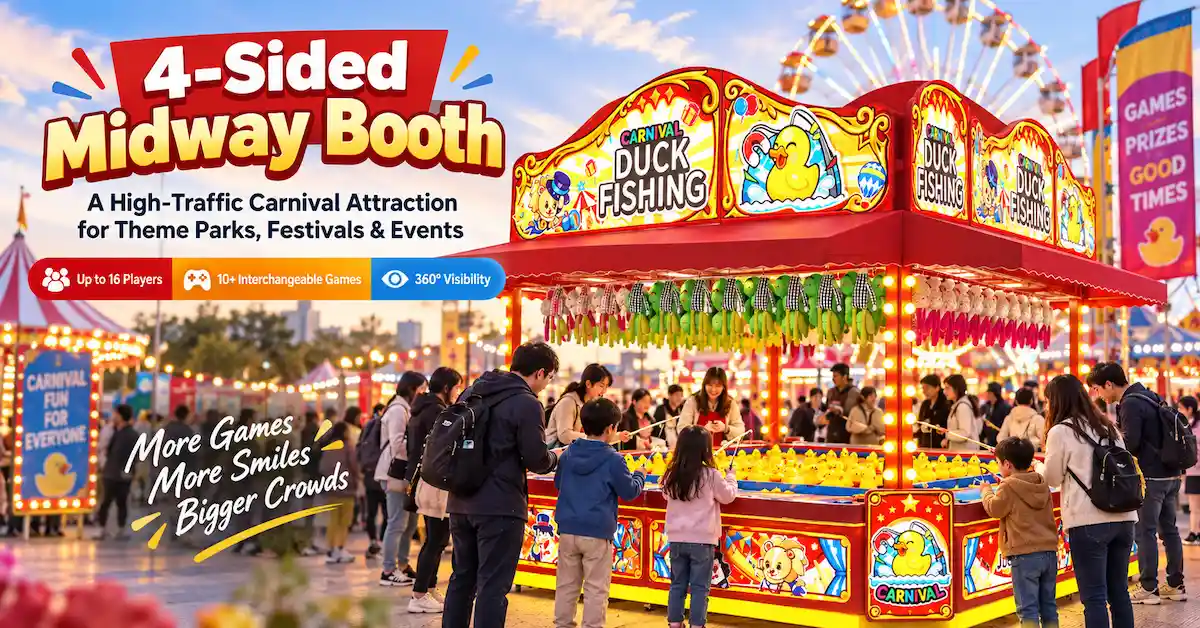
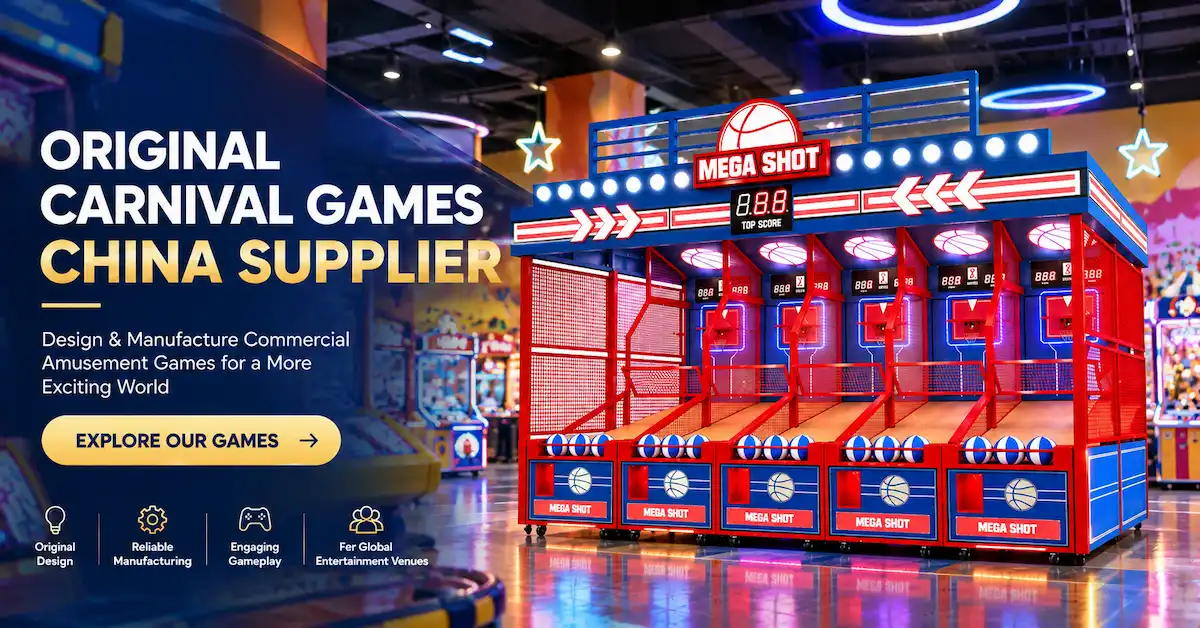
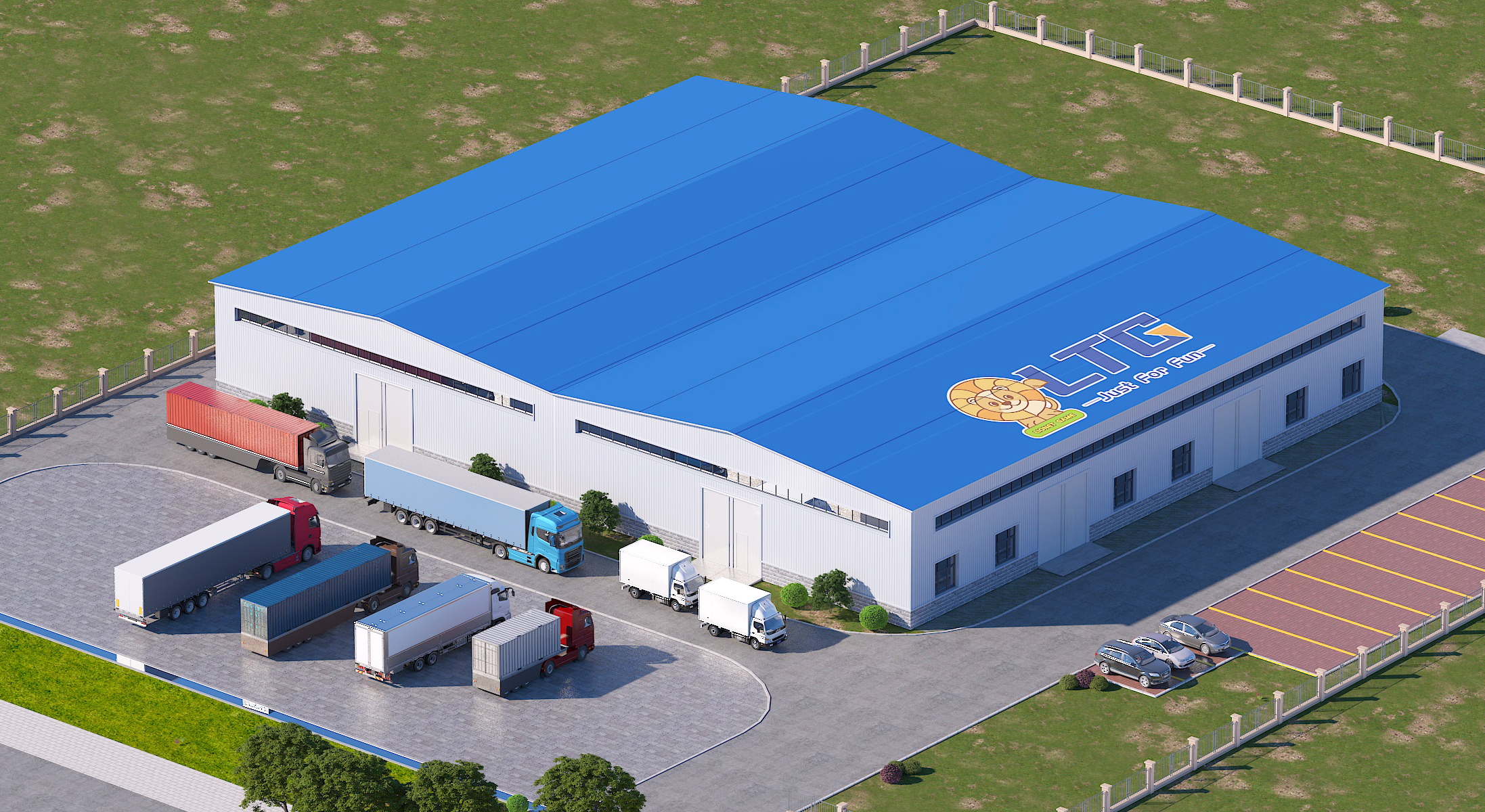
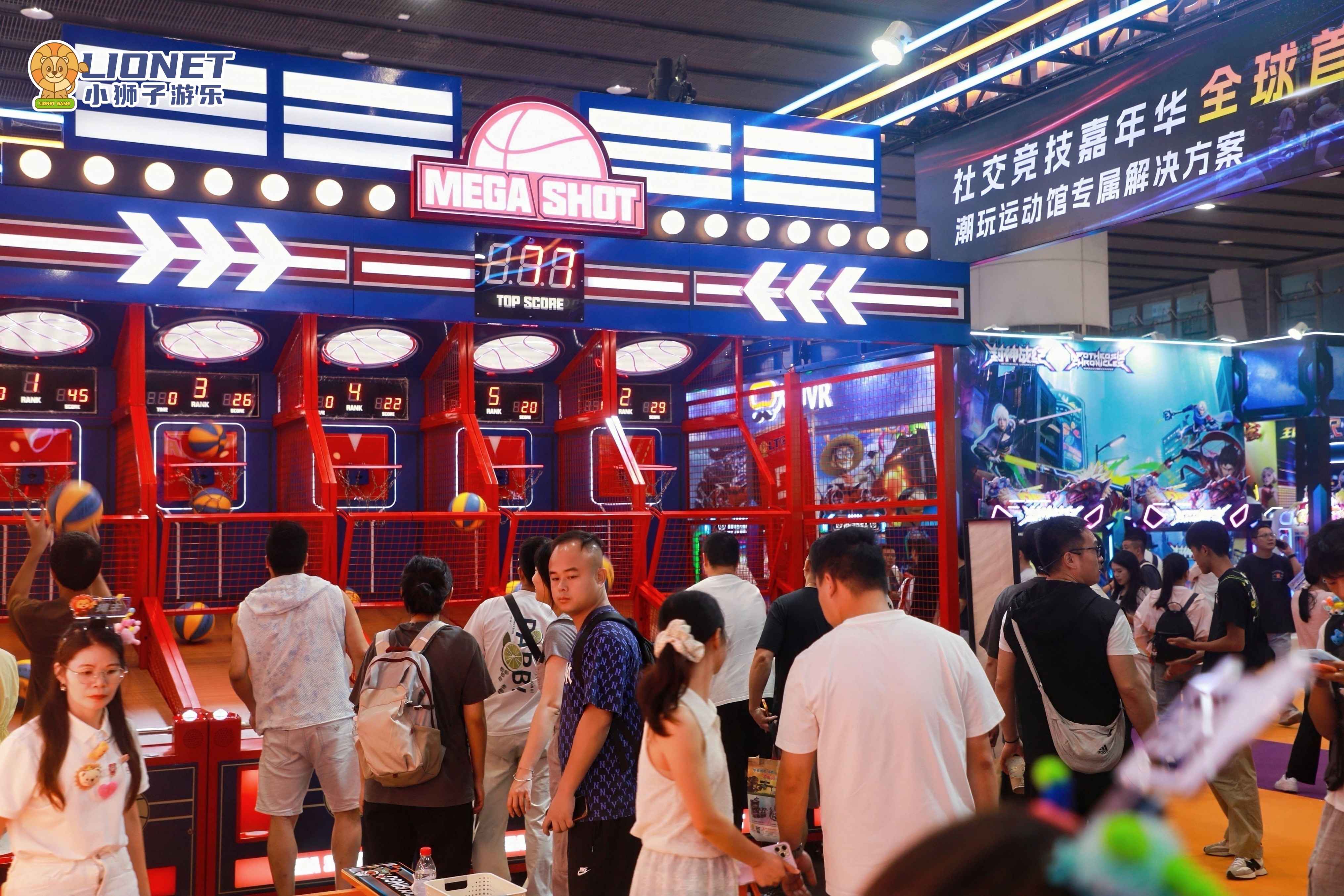
Lionet designs and manufactures original carnival games and describes an end-to-end ODM route covering gameplay concepts, prototyping, testing, and production. Its company and manufacturing overview outlines structural fabrication, game assembly, product testing, and packing. Those capabilities are a starting point for technical discussion; a purchase should still be based on the particular design, order scope, and evidence agreed with the buyer.
Quick decision rule: Customize only what creates measurable value for your audience or operations. Keep proven parts of a standard game unchanged where possible, approve each change against a written baseline, and confirm the operating environment before commissioning production.
Who Buys Custom Carnival Games—and When Is Customization Unnecessary?
For a custom carnival game manufacturer, the phrase “custom carnival games” covers different commercial requirements. Identifying the actual buyer and operating model prevents paying for development that does not contribute to the project.
A new design is not always justified. If a published game already fits the required player count, theme, available space, and staff routine, a selected color scheme or approved artwork may be sufficient. Full ODM development is more appropriate when the required interaction, form factor, module arrangement, or project layout cannot be achieved using a standard configuration.
This buying guide concerns commercial carnival and midway-style participation equipment.It is not a specification for mechanical amusement rides, household party supplies, or unattended operation without a separately validated operating system.
What Can You Customize? Separate OEM, ODM, and Cosmetic Changes
For a custom carnival game manufacturer, “custom” is too broad to support an accurate quotation. A good RFQ distinguishes appearance updates from equipment changes that may affect engineering, software, testing, packing, or installation.
In a buyer-specified OEM arrangement, the supplier manufactures to an agreed specification. In ODM, the supplier also participates in developing or adapting the design. Contract language matters more than the label: state who develops the concept, who owns artwork and tooling, which drawings define the finished product, and who approves revisions.
Ask about intellectual property before sending valuable original game mechanics or campaign assets. Custom colors do not automatically grant product exclusivity, and a concept quotation does not by itself establish ownership of the resulting design.
Start With a Venue Brief, Not a Product Photograph
Before contacting a custom carnival game manufacturer, prepare a brief short enough for a sales and engineering team to use but detailed enough to eliminate major assumptions.
- Venue and destination: FEC, park, mall, resort, festival, or distributor showroom; installation country and city.
- Audience and interaction: approximate age groups, individual versus group play, skill level, and any accessibility goals.
- Space: usable floor plan, ceiling height, doors, columns, routes, service access, and loading constraints.
- Operating environment: indoor or outdoor use, expected exposure, floor condition, cleaning procedures, and utility availability.
- Game concept: preferred challenges, prize policy, number of simultaneous positions, and guest journey.
- Brand scope: theme references, logos, artwork ownership, target colors, and elements that must remain unchanged.
- Commercial scope: desired quantities, possible repeat batches, budget range, delivery destination, and target opening date.
- Evidence required: prototype approval method, documentation language, quality checks, destination-specific compliance questions, and after-sales expectations.
Be clear about what is fixed and what is still open for proposal. If the concept includes multiple attractions, identify a lead model and how the remaining games complement it. Lionet's carnival and midway venue solutions describe applications across FECs, festivals, theme parks, and distribution projects, which can help buyers identify the correct planning conversation.
Choose the Game Format Before You Customize the Cabinet
An original appearance is useful only when the game behavior fits the intended audience. Four functional directions help buyers develop a coherent mix:
Midway booths for recognizable carnival atmosphere
Traditional booth arrangements create obvious play stations and visible prize displays. Lionet's Classic Outdoor Booth lists more than 30 game options and supports side-by-side arrangements. The 2m Compact Midway Booth also describes 30+ interchangeable choices within a circus-inspired design. Review the selected module list rather than assuming all alternatives are included in one quotation.
Prize-led games for approachable participation
Prize-every-time or reward-centered games can serve families and first-time visitors when the reward rules are clear. For example, Club 2077 Standard presents a win-every-time concept with displayed winning numbers and corresponding prize lighting. The buyer should still verify the exact reward mechanism, prize inventory, and permitted operating policy for the ordered configuration.
Skill challenges for replay and competition
Target throwing, ball toss, and similar games invite players to improve over repeated attempts. A custom version should preserve a comprehensible objective and fair, repeatable challenge. Confirm throwing distance, target condition, ball or ring retrieval, success indication, prize issue, and full reset time. Difficulty should match the user population, not merely the visual theme.
Social stations for groups and spectators
Multiplayer formats can become a focal point, provided circulation and group turnover are planned. Dreamy Carnival describes a 360-degree arrangement and 6+ interchangeable game combinations. Double Fun Carnival combines two to four game options in one attraction. Game count, physical player positions, simultaneous participation, and throughput are different concepts; confirm each separately.
A balanced plan might combine one welcoming prize-led station, one repeatable skill game, and one group-oriented centerpiece. That is a planning model, not a fixed product bundle. Use actual guest demographics and tested operations to refine it.
Compare Real Lionet Product Specifications Before Approving a Design
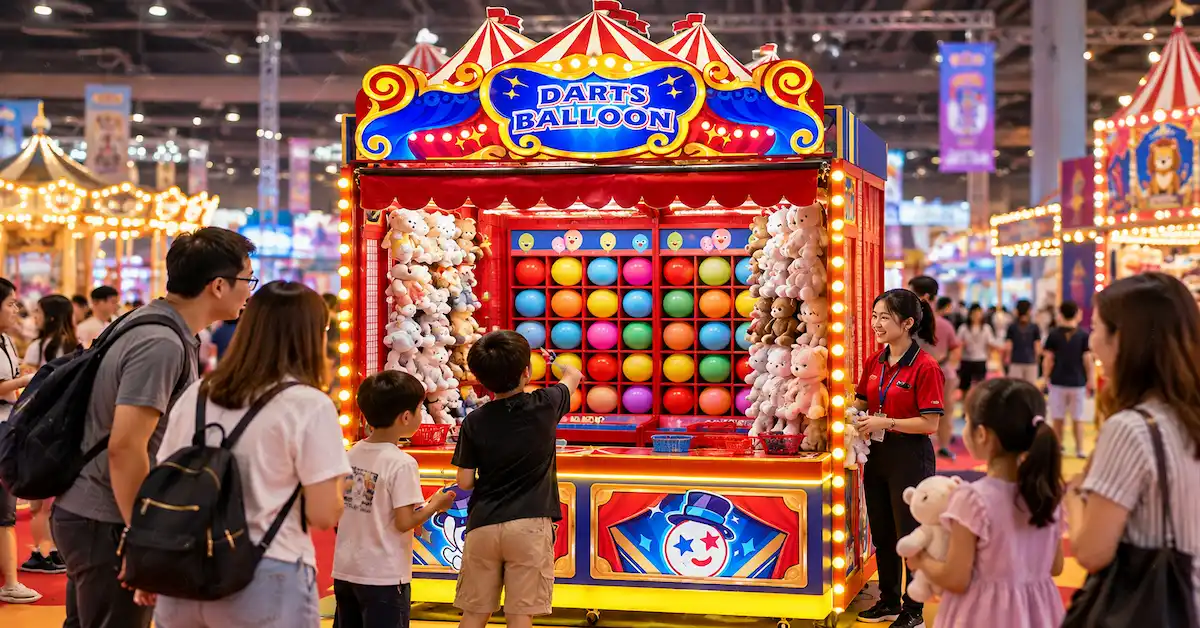
A quotation from a custom carnival game manufacturer should refer to an identifiable baseline. The following values are published product-page reference configurations, not guaranteed specifications for a redesigned model. Dimensions are width × depth × height; listed footprints are equipment envelopes and exclude player space, queues, circulation, and maintenance clearances.
The listed equipment weight also changes materially: X-Carnival is 180 kg, Double Fun Carnival 760 kg, Dreamy Carnival 1200 kg, the 2m Compact Midway Booth 700 kg, and the 4-Sided Midway Booth 1600 kg. Buyers should request shipping dimensions, handling instructions, floor-loading review, and installation drawings for their specific order.
An example of the distinction: X-Carnival's 1100 × 900 mm base gives a calculated rectangular equipment envelope of 0.99 m². It does not mean the attraction can be operated in 0.99 m². The player position, throwing or participation zone, nearby circulation, and staff access have to be added. For Dreamy Carnival, all-round access creates a much larger operating area than the cabinet boundary alone suggests.
Check the current order drawing against the product page: customization can change dimensions, weight, consumption, capacity, and permissible installation conditions. Treat “customizable player capacity” as a design discussion, not a commitment that every requested capacity is feasible.
How to Match Custom Carnival Games to Real Venues
For indoor FECs, prioritize visible instructions, cleaning access, noise control, queue placement, prize replenishment, and sufficient distance between active play areas. A small cabinet can be easier to position, but a compact footprint does not remove queue or supervision needs.
For shopping malls and resorts, consider sight lines from primary routes, ceiling-height restrictions, loading access, building operating rules, and whether prize redemption causes crowding. An attention-grabbing central attraction should not obstruct essential circulation.
For festivals and outdoor events, confirm the precise exposure conditions. Some Lionet product pages describe festival use as an application, while their technical field identifies the standard model as indoor. That marketing example alone must not be used to approve an unsheltered installation. Request written confirmation of weather suitability, electrical protection, anchoring, ground requirements, and temporary setup procedures for the proposed unit.
For event rental businesses, inspect assembly frequency, transport protection, storage, lifting requirements, and whether graphics are replaceable between clients. A heavier but visually compact cabinet may still require specialized handling. For high-traffic theme parks, assess spectator gathering, crew movement, service access, and game reset tasks under peak use.
From Concept to Production: A Practical ODM Approval Workflow
When evaluating a custom carnival game manufacturer, start by asking how design approval connects to production. Lionet describes concept, gameplay development, prototyping, testing, and production as part of its ODM offering. Buyers can turn those capabilities into a controlled project using the following approval gates. These are recommended procurement steps, not a claim that every Lionet order automatically includes each document.
1. Discovery and feasibility
Submit the brief, floor plan, audience profile, and baseline products. Ask which requirements can be met by existing modules and which require new engineering. The first response should identify assumptions and information still missing.
2. Concept and game-cycle approval
Agree on the visual direction and playable experience. Show how a visitor learns the rules, starts a game, receives feedback, claims any prize, and makes way for the next player. Review the full cycle rather than a single promotional rendering.
3. Engineering and material definition
Review overall dimensions, structure, access openings, expected loads, electrical input, sensors, controls, finishes, and service requirements. Confirm site restrictions and whether a design modification affects shipping or installation.
4. Sample, prototype, or representative demonstration
Agree what will be demonstrated and whether the sample represents the production configuration. Test the intended user interaction, graphics, lighting, audio, prize presentation, reset sequence, and routine maintenance. Log findings and outstanding changes.
5. Design freeze and commercial sign-off
Approve the final drawing revision, module list, artwork, materials, accessories, packing plan, inspection criteria, and quotation. Record who pays for later changes and whether revision changes affect price or lead time.
6. Manufacture, inspection, and packing
Fabricate and assemble against the approved version. Inspect appearance, structure, functional play sequence, wiring or controls where present, labeling, and transport protection against the mutually agreed acceptance checklist.
7. Shipment, setup, and handover
Confirm shipping documents, unloading requirements, installation responsibilities, operating instructions, replacement parts, staff briefing, and the defect-reporting route. Site commissioning and local approvals must be explicitly assigned rather than presumed included.
For multi-site distributors, request revision-controlled reference documents so later batches can be checked against the same approved design. A strong custom carnival game manufacturer should be able to explain its revision-control and repeat-order process.
Materials, Components, and Serviceability: What Buyers Should Inspect
Carnival equipment combines decorative surfaces with physically repeated interactions. Materials therefore need to be judged by their role, not by marketing adjectives. Published Lionet product pages identify combinations of acrylic, metal, wood board, and material described as “fireproof board” on certain models. A product description is not a substitute for a material fire-test report or a destination-specific compliance certificate.
Review the structural frame and joints for the intended use, including accessible fasteners and service openings. Examine target surfaces, movable props, impact zones, and any parts guests handle or strike. Ask how damaged graphics, sensors, switches, LED elements, sound components, and prize mechanisms can be replaced. For electrically operated designs, the final wiring arrangement, cable protection, controls, and operator isolation procedure need an appropriate technical review.
A good test question is: What happens after a busy weekend when a frequently touched part needs replacement? If the technician cannot identify a spare part or reach the component without dismantling an adjacent game, a small issue can cause disproportionate downtime.
Confirm the finish, color code, printed material, scratch resistance, cleaning instructions, spare-parts nomenclature, and packaging protection in the order documents. Request maintenance instructions suited to the operating team rather than assuming factory technicians will always be available.
Quality Control and Compliance: Ask for Product-Specific Evidence
When working with a custom carnival game manufacturer, pre-shipment testing should establish that the approved product has been built as agreed. A useful buyer checklist covers:
- Visual and dimensional inspection: color, branding, finish, identification, access points, and physical dimensions.
- Functional inspection: complete game cycle, sensors and actuators where fitted, scores or outcome indication, sound and lighting, and reset behavior.
- Operational inspection: player interaction, attendant workflow, prize replenishment, safe stop procedures, and routine access.
- Electrical and structural review: the appropriate checks defined for the destination and equipment type, including the effects of customization.
- Packing and documentation: accessories, markings, parts list, approved configuration, handling instructions, and shipment protection.
For a complex change, ask for a witnessed factory acceptance test (FAT) or a recorded demonstration with an agreed pass/fail checklist. Identify who can authorize corrections and how reinspection will be documented.
Regulatory requirements depend on product classification and jurisdiction. ASTM International Committee F24 develops standards for amusement rides and devices, but not every carnival booth is automatically covered by every F24 standard. Determine applicability for the actual device with a qualified assessor; likewise, do not assume CE marking or any specific certification is available unless the manufacturer provides current evidence for the ordered configuration.
Evidence to request may include drawings, test results, material declarations, electrical information, manuals, inspection records, and any certifications genuinely applicable to that product and destination. This approach is more reliable than treating a generic factory certificate as proof that every custom version is compliant.
Production Lead Time, Capacity, Packing, and Delivery
A custom carnival game manufacturer's production schedule is useful only when its starting point and dependencies are defined. Separate the project into design approval, any new component sourcing, prototype evaluation, production, inspection, packing, freight, customs, site readiness, installation, and commissioning.
Do not use an unverified fixed lead time for all games.A color change on an established structure and a new multi-station attraction have different development dependencies. Ask for the estimated schedule after the supplier has reviewed the requested changes, quantities, material availability, and required validation.
For projects with a firm opening date, work backward from the equipment-ready date, not the factory dispatch date. Confirm destination-port or final-site delivery terms, export packing, handling equipment, access through doors or elevators, crane or forklift needs, and who covers local installation. For distributors, ask whether a repeat order uses the same drawings and whether special components have longer procurement times.
How Much Do Custom Carnival Games Cost?
Pricing from a custom carnival game manufacturer is determined by the approved project scope. Cabinet size alone is not enough: module complexity, electronics, physical structure, artwork, prototype changes, production quantity, shipping, and after-sales arrangements may all affect the quotation. Buyers should request line-item clarity before comparing suppliers.
A useful comparison is total installed cost plus operating requirements, not the ex-factory headline price. For example, a cheaper custom structure may cost more overall if it needs special freight, longer setup, or additional on-site work.
When evaluating revenue, estimate sessions using actual measured complete game-cycle time, including instructions, play, result handling, and reset. Then apply realistic paid utilization and account for prizes, labor, maintenance, and overhead. Do not interpret a product page's “fast payback” description as a guaranteed return, and do not use hypothetical payback figures as Lionet customer data.
Which Configuration Fits Your Project Best?
Use commercial purpose as the comparison criterion—not a claim that one product universally outperforms another.
For initial planning, shortlist two or three formats and compare the exact approved versions. This avoids commissioning a bespoke project where a simpler configuration could meet the same business objective.
How to Verify a Manufacturer Before Ordering
Ask a custom carnival game manufacturer to demonstrate manufacturing responsibility as well as visual creativity. A useful technical discussion should cover who designs gameplay, who approves structural revisions, how assembly is documented, how finished units are inspected, and which elements are subcontracted. Request relevant examples, but do not assume a large project reference proves the performance of a different model.
Lionet's project archive describes work involving WOG, TIMEZONE, JOYPARK, and the MGM HAIXIN SAND project. Buyers can use these references to ask about comparable venue environments, installed product types, handover responsibilities, and maintenance arrangements. Commercial outcomes and performance metrics should only be cited when separately documented and approved for disclosure.
For factory assessment, request a tour or representative production evidence related to your order: structural fabrication, assembly, testing, packing, and the control of revision changes. Also confirm quotation validity, payment milestones, defect handling, technical contact points, and the process for ordering spare parts.
A Better RFQ: What to Send a Custom Carnival Game Manufacturer
Instead of sending a message that says “Please quote custom carnival games,” organize the request around decisions:
Project: Venue type, location, opening date, intended operating period, and buyer company.
Audience: Main age groups, expected guest flow, individual/group behavior, and prize policy.
Layout: Drawings, available width/depth/height, loading access, power location, and whether the project is indoor or outdoor.
Baseline: Product links, proposed quantity, number of game stations, selected modules, and a list of standard features to retain.
Customization: Artwork/branding, gameplay differences, dimensions, new mechanisms, ownership or exclusivity requests, and desired documentation language.
Commercial: Budget range, destination, shipping preference, target installation date, any future repeat orders, and after-sales expectations.
Approval and safety: Sample or video demonstration needs, inspection checklist, certification questions for the destination, and who will approve drawings and site readiness.
Ask the manufacturer to respond with confirmed scope, optional features, exclusions, approval milestones, a model-specific quote, and unresolved technical questions. Lionet's planning resources also emphasize space planning, audience fit, operation, and installation readiness.
Frequently Asked Questions About Custom Carnival Game Manufacturing
1. What is the difference between a carnival game manufacturer and a carnival game supplier?
A manufacturer performs or controls agreed development and production responsibilities; a supplier may source products or coordinate a purchase. Either model can work, but buyers should establish who owns the technical specification, authorizes changes, inspects products, and manages defects. A brand label alone does not establish those responsibilities.
2. Can I order custom carnival games with my company's logo?
Brand colors, graphics, and logos are potential customization items. Provide print-ready artwork, color references, permitted placement areas, and proof of your rights to use the materials. Ask for a visual approval before production and confirm whether the requested graphics affect materials or cost.
3. Can the manufacturer change game rules, player count, or cabinet dimensions?
Such changes may be possible through ODM development, but they require technical review. Changing the number of positions can affect structure, controls, circulation, power, testing, and operating labor. Request revised drawings and written feasibility confirmation rather than assuming all dimensions and capacities are adjustable.
4. What is the minimum order quantity for custom carnival games?
There is no reliable universal MOQ across all products and customization levels. Ask for a quotation that distinguishes a standard model, cosmetic customization, prototype, full new development, and repeat-batch supply. The purchase quantity may affect tooling and unit economics.
5. How long does ODM carnival game development take?
Development and delivery time depend on design complexity, approvals, parts, testing, production load, packing, and destination. Obtain a project-specific schedule after the requirements are reviewed. For opening-date commitments, include transport, local approvals, and commissioning in addition to factory time.
6. What equipment information should I request before paying a deposit?
Request model-specific dimensions, weight, power requirements, intended use environment, selected modules, artwork scope, acceptance criteria, installation/packing assumptions, payment schedule, warranty and parts policy, and the latest approved configuration. Confirm what is excluded as clearly as what is included.
7. Are indoor carnival games suitable for outdoor festivals?
Not automatically. A product can be marketed for a festival while its standard specification identifies indoor use. State expected rain, wind, sunlight, ground, and power conditions and request written approval for the exact planned configuration. Do not assume weather resistance without relevant evidence.
8. Can one custom carnival booth include several games?
Yes, some published formats offer configurable combinations. For example, Double Fun Carnival describes two to four games in one attraction. Confirm which modules are included, which can operate simultaneously, how prizes and reset tasks work, and how the arrangement affects staff duties.
9. How can buyers check quality before international shipment?
Agree on a factory acceptance checklist before production, then inspect the actual completed configuration. Relevant checks may include dimensions, appearance, repeated gameplay, control behavior, accessories, documentation, and protective packing. Ask for records or a witnessed demonstration, and document how defects will be corrected.
10. What should I provide to obtain an accurate quote from Lionet?
Share your venue type, destination, measured floor plan, target audience, game preferences, expected quantity, branding scope, operating environment, and opening date. Include reference products and any required testing or documentation. Contact Lionet through its project inquiry page so the team can discuss feasibility and configuration.
Conclusion
Choosing a custom carnival game manufacturer is ultimately a project-control decision. Start with audience and site requirements, compare documented game formats, separate cosmetic changes from engineering work, and approve the exact configuration before production. Confirm inspection, shipping, and operating responsibilities early so customization remains useful after the equipment is installed.
If you are planning a new FEC zone, themed event attraction, or distributor range, share your brief and floor plan with Lionet to discuss a practical ODM scope.