How independent product development, integrated manufacturing, and real-world project experience shape LIONET's Carnival & Midway Games.
Who We Are: A Manufacturer Focused on Carnival & Midway Games
LIONET (Guangzhou Lionet Amusement Equipment Co., Ltd.) is a China-based manufacturer specializing in Carnival & Midway Games and Social Competition Carnival Games for Family Entertainment Centers (FECs), theme parks, competitive socialising venues, amusement parks, and entertainment operators worldwide.
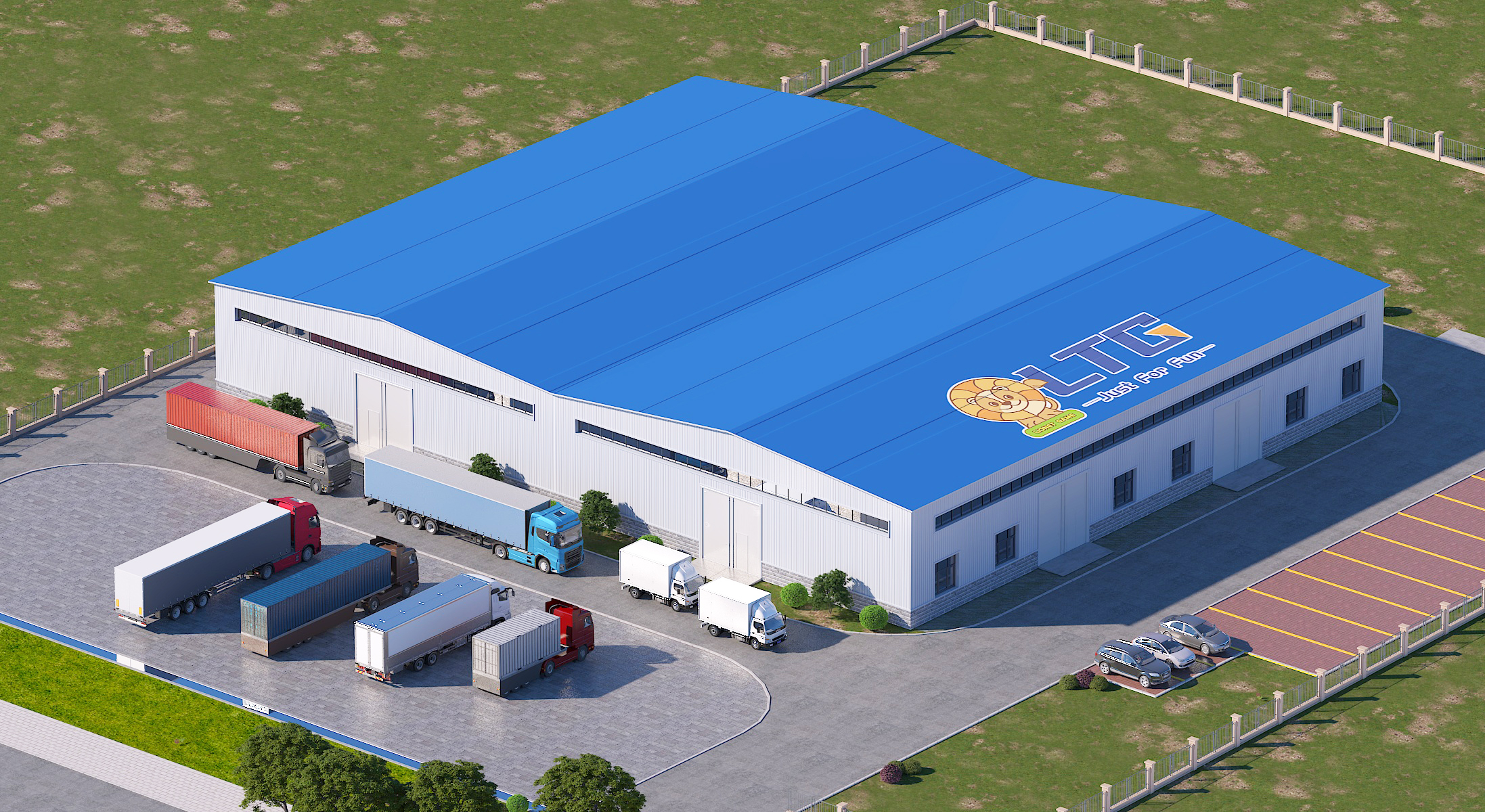
Founded in 2022 in Guangzhou, China, LIONET combines an independent research and development team with approximately 6,000 square metres of manufacturing space.
Our capabilities cover game concept development, mechanical and structural engineering, electrical systems, software programming, industrial design, manufacturing, customization, and product testing.
Our product portfolio includes traditional midway booths, indoor carnival skill games, multi-game stations, customized carnival attractions, and multiplayer Social Competition Carnival Games.
These different product categories are built around a consistent principle:
A successful commercial game must work for both the people who play it and the operators who run it.
For players, the experience should be engaging, accessible, and interactive. For operators, the equipment must also meet practical requirements for installation, operation, maintenance, and long-term use.
This connection between gameplay, engineering, and commercial application defines LIONET's approach to product development.
One Manufacturing Foundation, Different Entertainment Environments
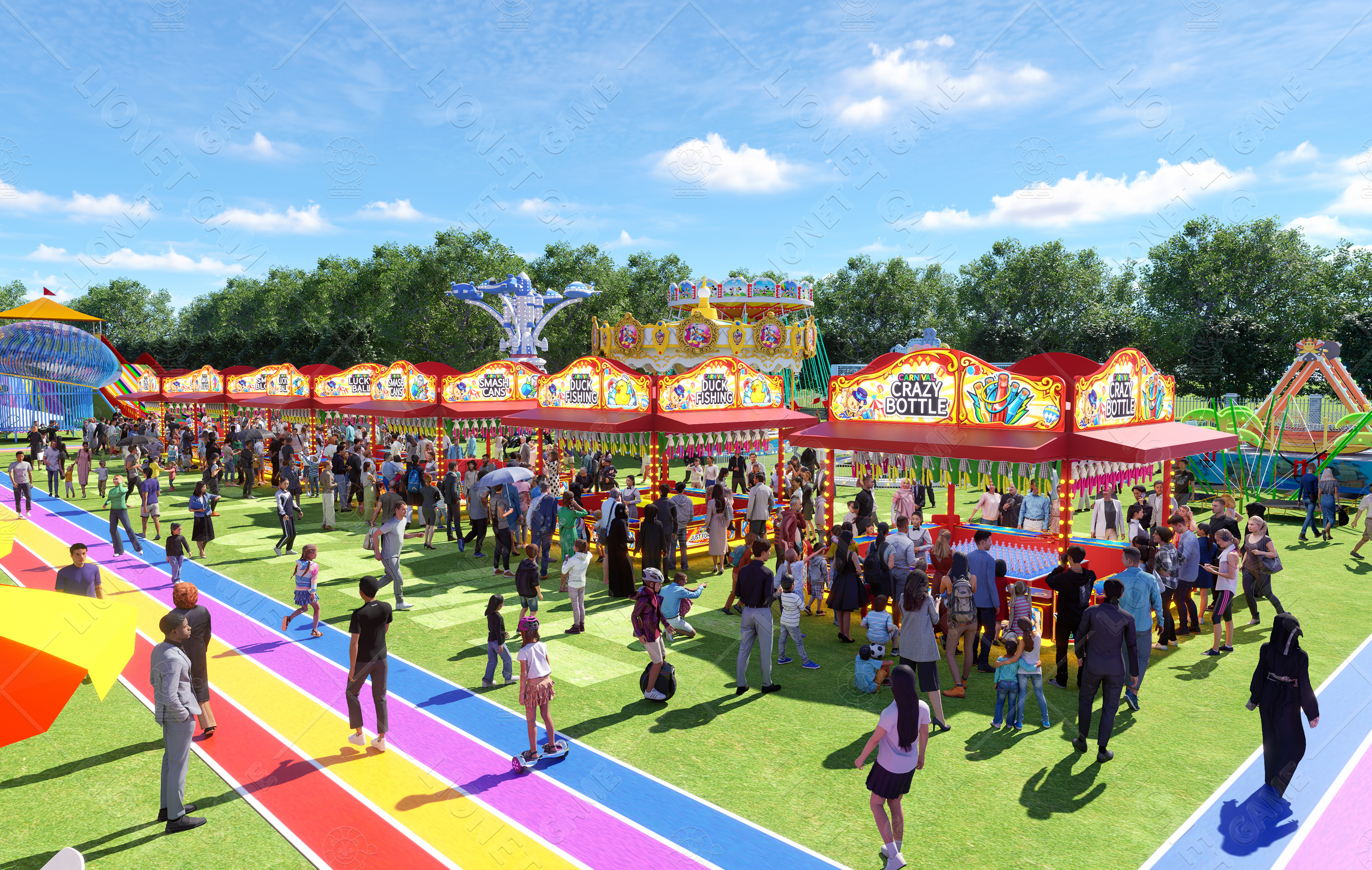
Carnival & Midway Games can be found in a wide range of entertainment settings, but different venues require different equipment solutions.
Traditional outdoor midway games often depend on attractive prize displays, accessible skill challenges, and interaction between attendants and visitors.
Indoor FECs may need a combination of games that fits the available floor space, staffing arrangements, and target audience.
Competitive socialising venues introduce another requirement: multiplayer activities that bring people together through friendly competition and shared physical experiences.
LIONET develops products for these different environments while maintaining a common foundation in carnival game design and manufacturing.
Our traditional product range includes modular midway booths, four-sided game stations, indoor skill games, and integrated multi-game carnival attractions.
Our Social Competition Carnival Games extend this portfolio into multiplayer competition supported by automatic scoring, live rankings, and connected game technology.
Rather than approaching these as unrelated product categories, we see them as different applications of our experience in physical skill-based entertainment.
Real Project Experience: Custom Carnival Games at Guangzhou's Haixinsha
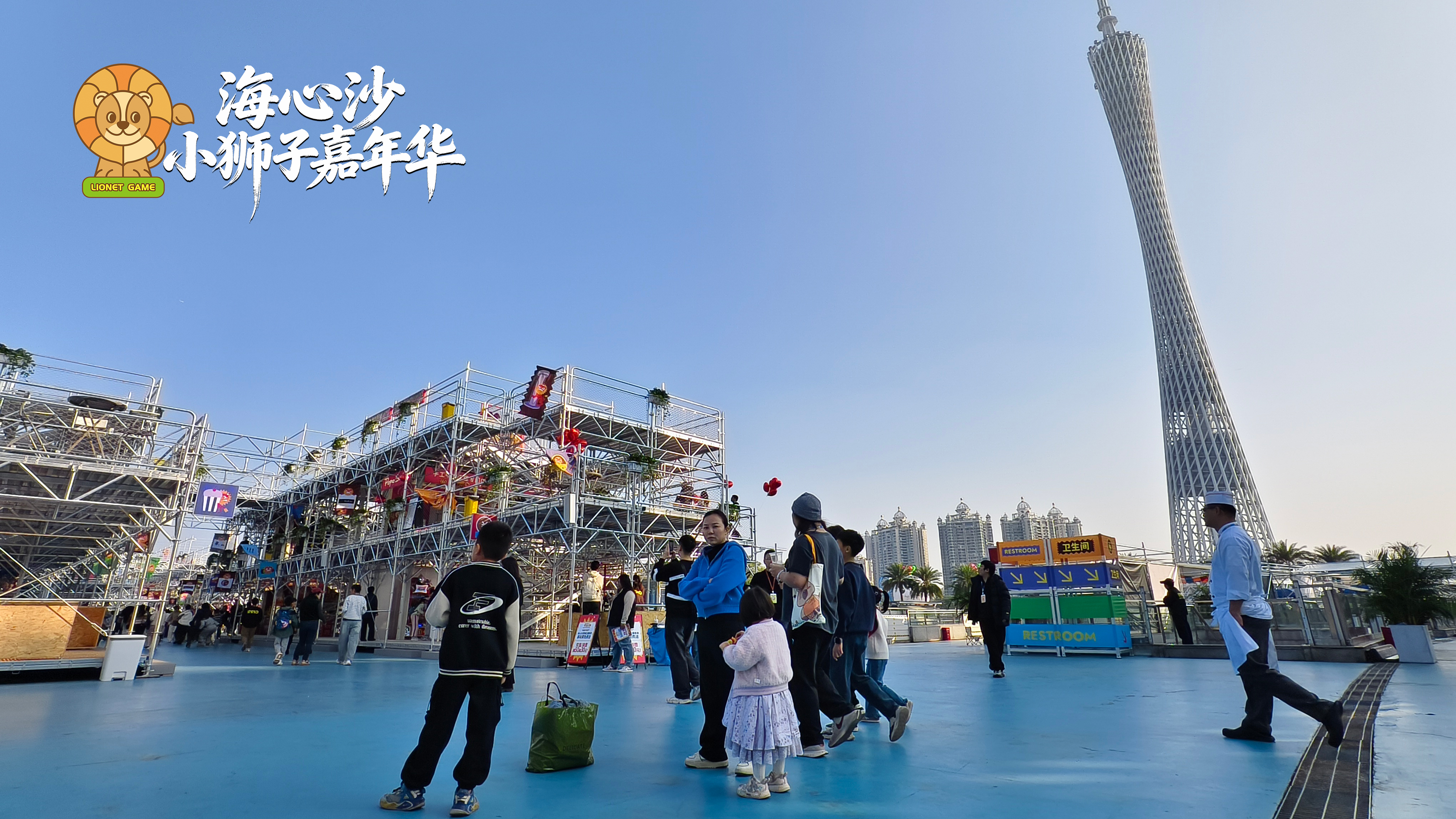
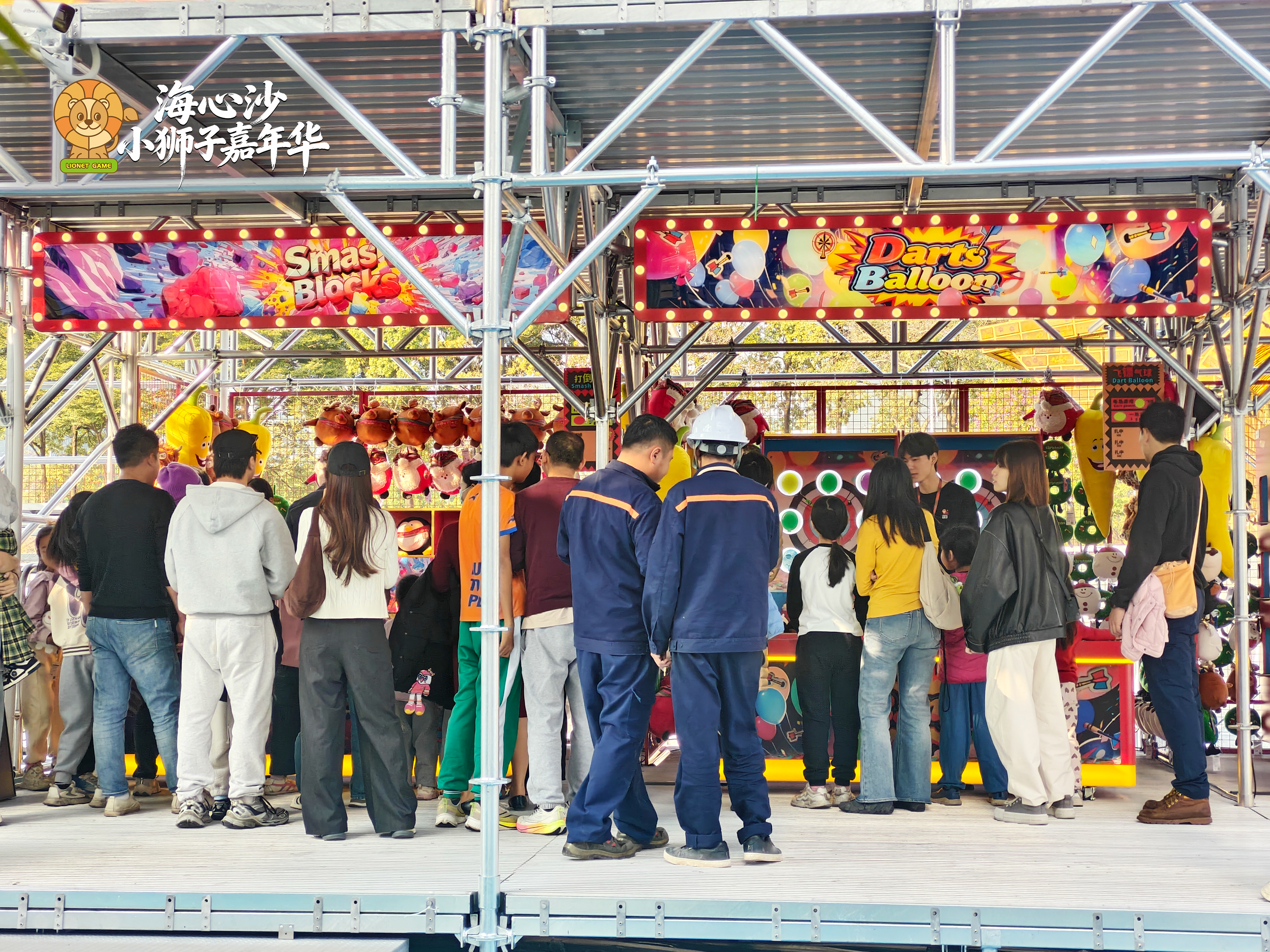
One example of LIONET's customization capabilities is our involvement in the MGM-associated Haixinsha INNO Carnival project in Guangzhou, China.
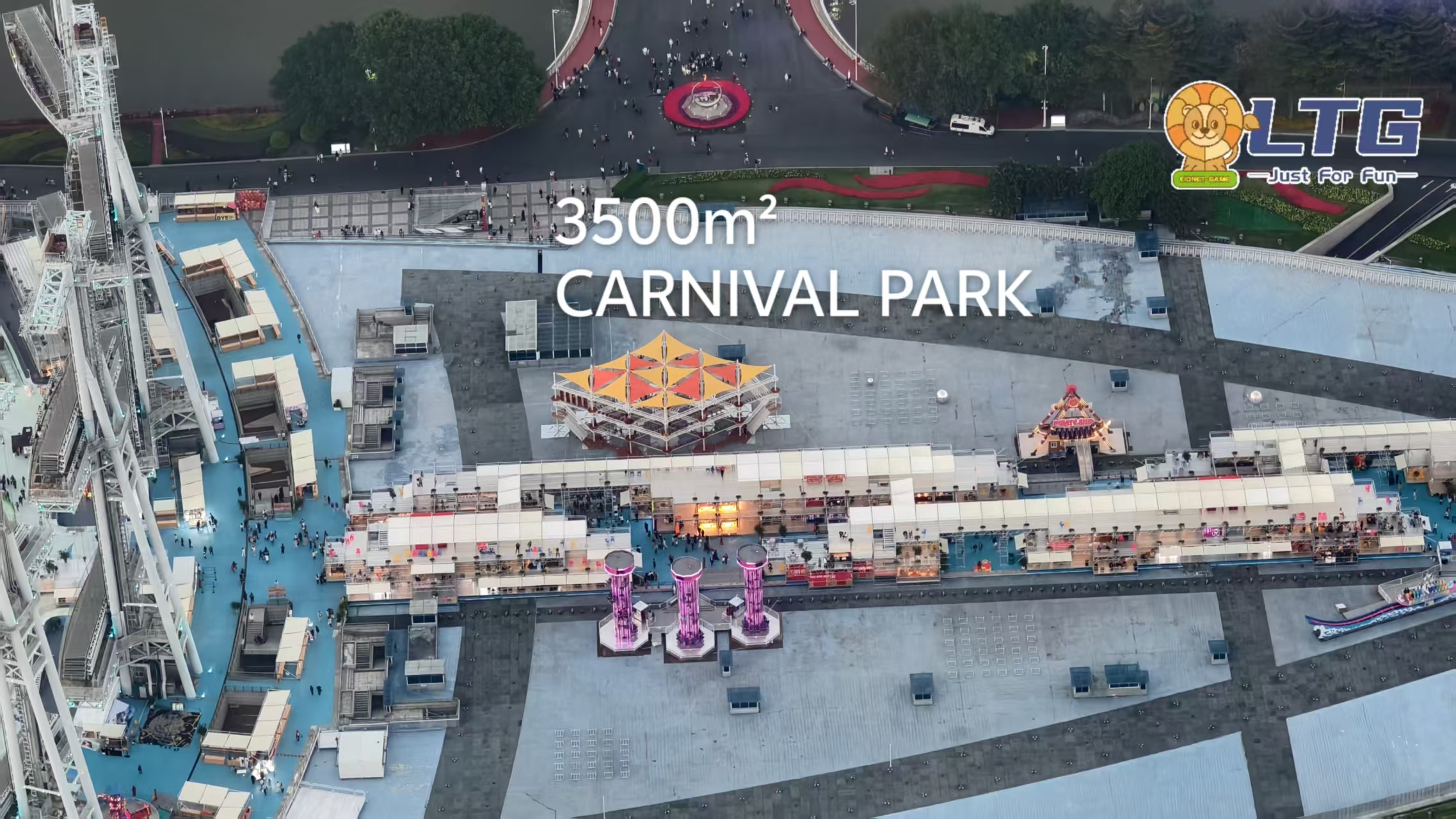
Located at Haixinsha Park near the Canton Tower, the wider carnival occupied approximately 35,000 square metres and operated during the 2025–2026 New Year and Spring Festival season.
Within this large-scale entertainment event, LIONET's project scope involved a dedicated carnival-game area of approximately 3,500 square metres, featuring 50 game sets.
The Haixinsha INNO Carnival was also covered by Guangzhou Daily, which reported on the event's approximately 35,000-square-metre venue and its New Year entertainment activities.
The project required more than supplying standard carnival game structures.
The Client's Objective
The client wanted an entertainment area with a strong carnival atmosphere, recognizable visual identity, and game displays capable of attracting attention in an open public environment.
The equipment also needed to reflect the cultural and visual characteristics of the MGM-related project.
An important consideration was the presentation of prizes.
In traditional midway games, prizes are more than rewards. They are also part of the visual experience, allowing visitors to understand what they are playing for before approaching a game.
The original standard booth configuration did not fully meet the project's display and presentation objectives.
LIONET's Design Response
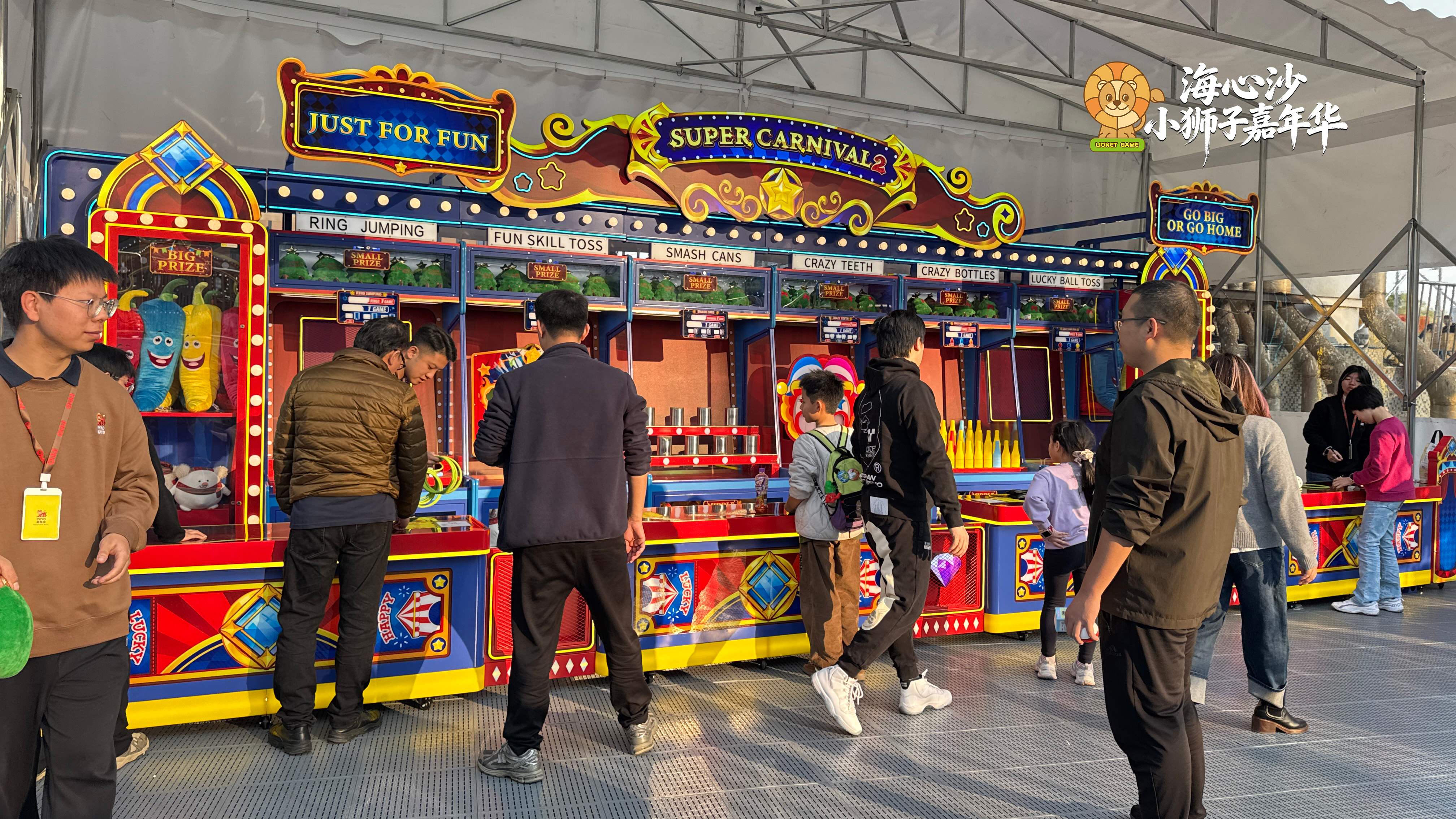
Rather than relying entirely on standard booth structures, LIONET reworked the equipment configuration.
The team modified the relationship between the outer booth framework and the internal game area, increasing the available distance between them.
This structural adjustment created additional room for prize displays, allowing more merchandise to be presented and making the prizes more visible to approaching visitors.
The team also redesigned the equipment's exterior graphics, incorporating project-specific cultural and visual elements into the carnival structures.
The resulting equipment combined familiar carnival gameplay with a more open display arrangement and a coordinated visual identity.
These changes were intended to make the games easier to notice, the prizes easier to see, and the overall carnival environment more visually engaging.
From Standard Equipment to Project-Specific Design
The Haixinsha project illustrates an important part of LIONET's manufacturing approach.
Customization does not always mean creating an entirely new game.
Sometimes, the more relevant solution is to reconsider how an existing product is structured, presented, and integrated into a specific environment.
In this case, changes to the physical framework, prize display space, and exterior design allowed standard carnival game concepts to be adapted to a large-scale themed entertainment project.
For LIONET, the project demonstrated how structural engineering, visual design, and commercial operating requirements can be addressed together.
The carnival formed part of Guangzhou's New Year and Spring Festival entertainment activities, bringing traditional midway experiences into a prominent urban destination.
Independent R&D: Connecting Gameplay, Engineering, and Design
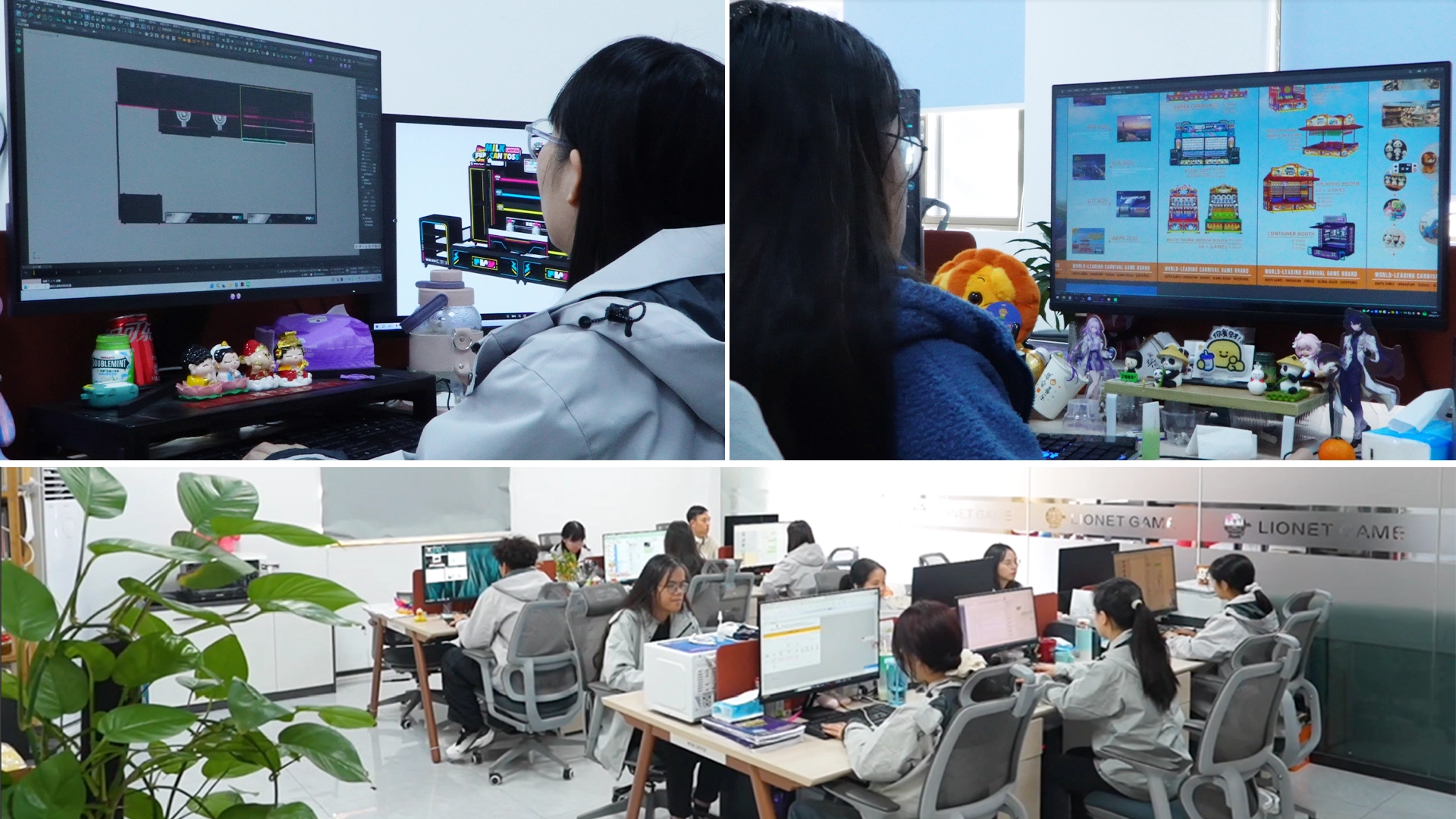
Behind LIONET's product portfolio is an independent research and development department covering several technical disciplines.
Our in-house team includes:
-
Structural Engineers — responsible for mechanical structures, component arrangements, and equipment configurations.
-
Electrical Engineers — responsible for electrical design, power systems, and integration of electronic components.
-
Software Engineers — responsible for game programming, control logic, scoring functions, and connected game systems.
-
Game Development Product Managers — responsible for gameplay concepts, rules, player interaction, and product requirements.
-
Industrial and Visual Designers — responsible for equipment appearance, themed designs, and the visual presentation of games.
Bringing these disciplines together enables LIONET to work on both physical equipment and the interactive systems that support gameplay.
This is particularly important when a project requires changes that affect several parts of a machine.
A new gameplay mechanism may require structural modifications, electrical adjustments, changes to control software, and a revised exterior design.
By coordinating these disciplines internally, our team can evaluate technical changes directly and transfer approved designs into manufacturing.
This integrated development structure also supports customized projects and the development of new carnival game concepts.
Manufacturing Capabilities: From Engineering to Production
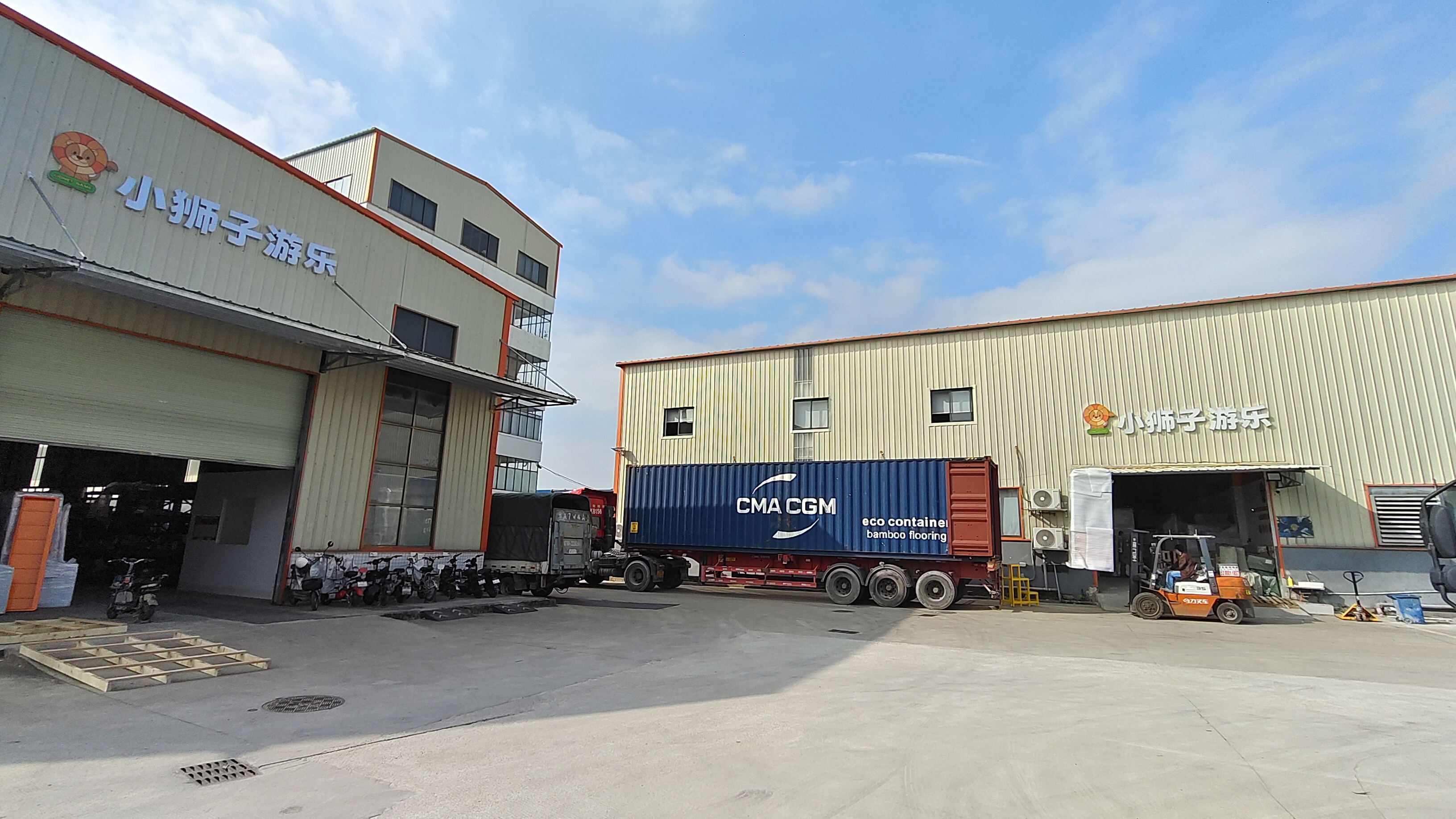
LIONET operates approximately 6,000 square metres of manufacturing space in Guangzhou, China.
Our production processes include in-house laser cutting, metal bending, welding, grinding, mechanical assembly, and equipment integration.
Surface coating and painting are carried out by external manufacturing partners working with LIONET's production requirements.
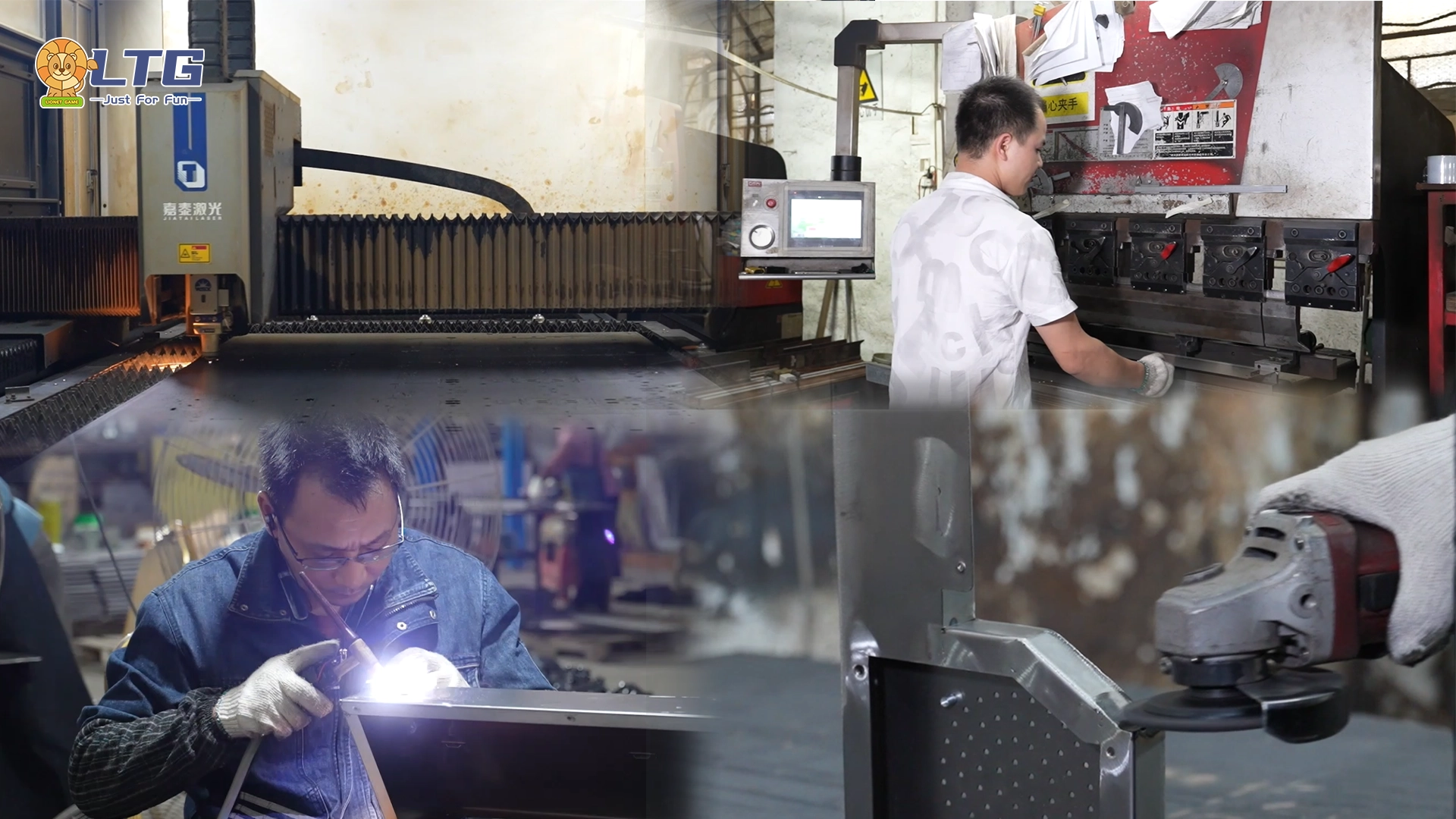
This combination of internal fabrication and coordinated external finishing allows our manufacturing team to focus on structural production, product assembly, and project-specific technical requirements.
An important part of our workflow is the connection between the R&D department and the production team.
When an engineering modification is approved, the design can be communicated directly to production personnel and incorporated into the relevant fabrication and assembly processes.
This reduces unnecessary handovers between independent suppliers and gives our teams more direct control over technical communication.
The available production space also supports the organization of multiple manufacturing orders in parallel.
However, actual production schedules and delivery commitments are determined by order quantities, equipment complexity, material availability, and the agreed project scope.
Our manufacturing objective is to make product development and production coordination more responsive to the practical requirements of commercial entertainment projects.
Quality Control Before Delivery
Manufacturing a carnival game involves more than completing its mechanical structure.
The equipment must also meet the visual and functional requirements established for the product.
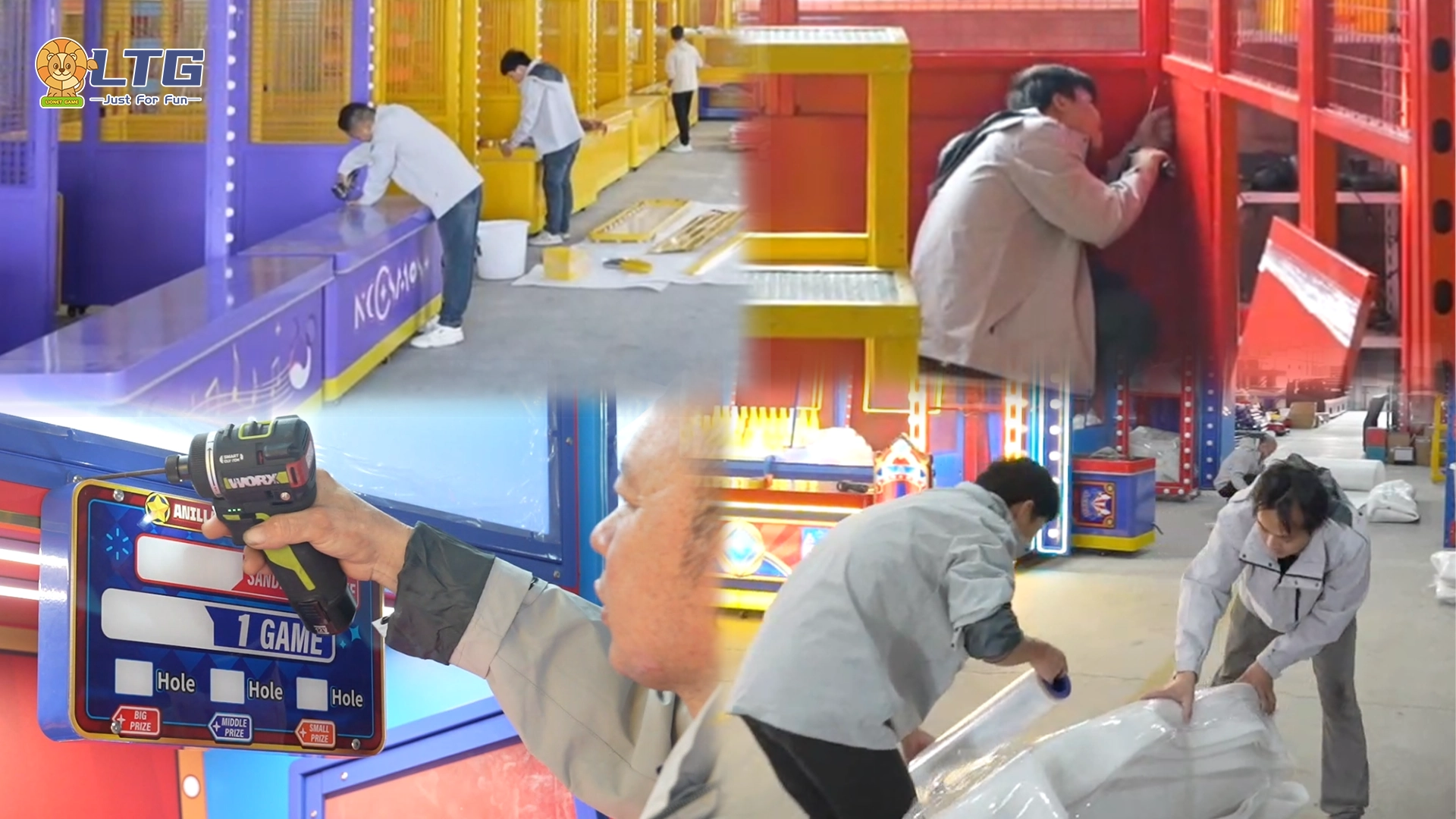
Before shipment, LIONET conducts inspections covering several areas.
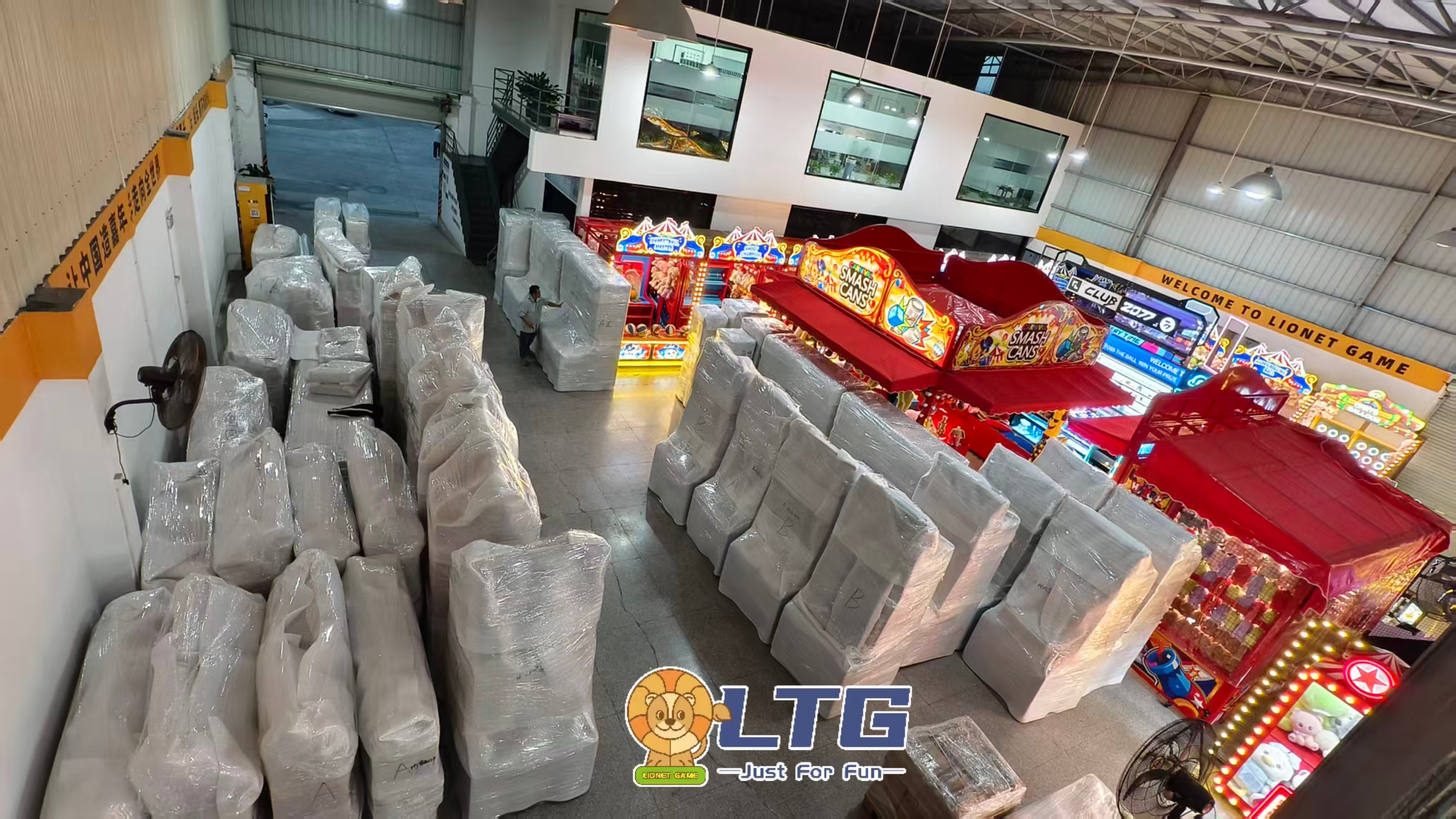
Appearance and Surface Finish
We inspect the overall appearance of the equipment, including surface quality, visible finishing details, and the consistency of the assembled structure.
Structural Alignment and Flatness
The team checks relevant structural surfaces, component alignment, and overall assembly quality.
Electrical Performance
Electrical systems and relevant electronic functions are tested according to the equipment configuration.
Gameplay Functionality
Each completed game undergoes functional checks to confirm that its intended gameplay mechanisms and applicable control functions operate before shipment.
These inspections are part of LIONET's pre-delivery process and help identify issues requiring correction before equipment leaves the factory.
Product-specific testing requirements may vary according to the game mechanism, electronic configuration, and contractual technical specifications.
Social Competition: Extending Carnival Gameplay With Digital Technology
As entertainment formats evolve, LIONET is developing another application for its game design and engineering capabilities: Social Competition Carnival Games for Competitive Socialising venues.
Traditional carnival games already bring together several characteristics that support social interaction.
The rules are generally accessible, physical challenges are easy to observe, and players can immediately recognize success or failure.
Social Competition builds on these characteristics by introducing simultaneous multiplayer participation and digital competition features.
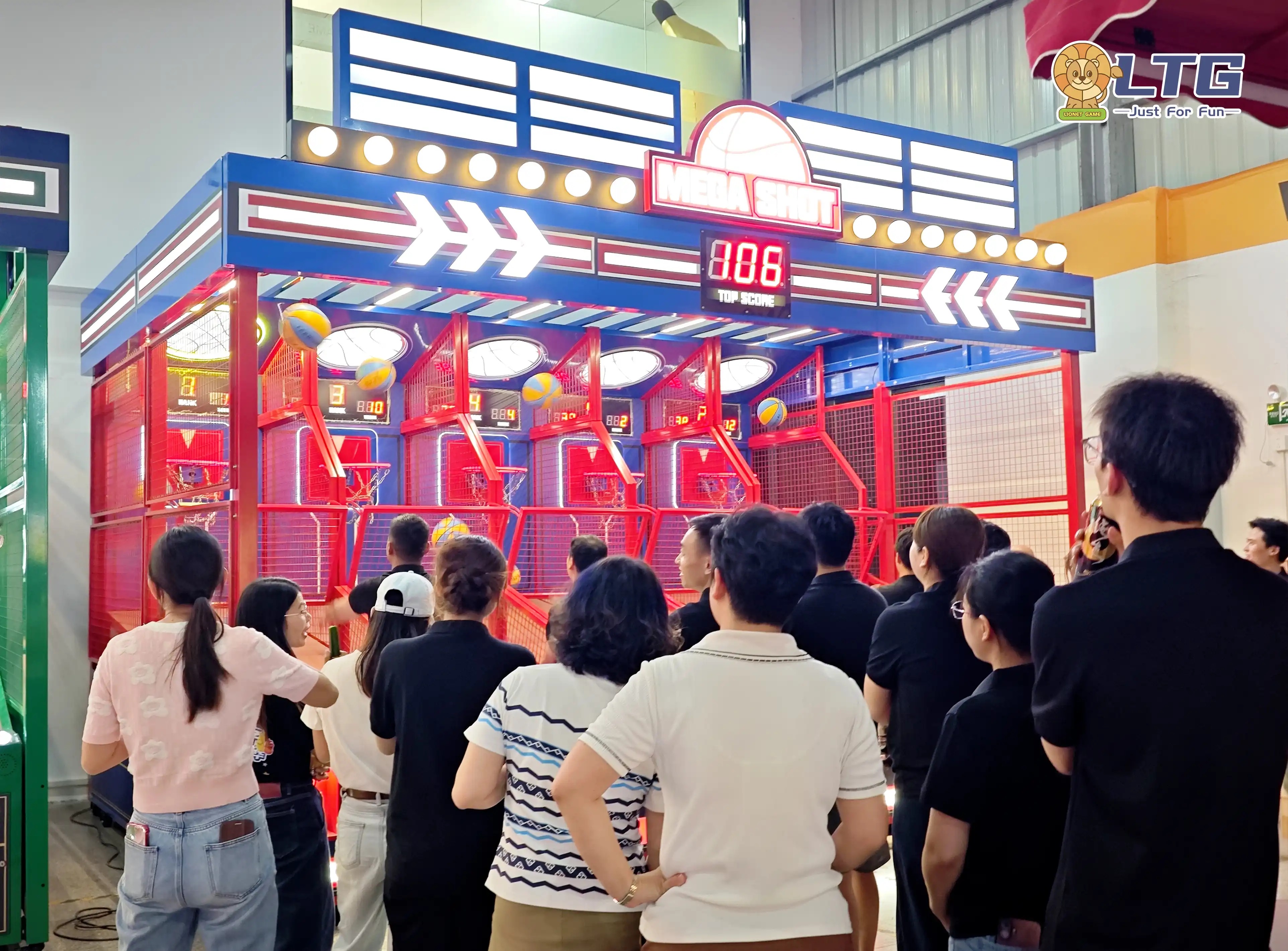
LIONET has developed games such as Spin Pitch, Barrel Toss, Monster Strike, and Mega Hoops around different skill-based challenges.
Depending on the model and configuration, players can compete through throwing, aiming, timing, or shooting activities.
The objective is to create physical games that encourage participation and make competition visible to both players and spectators.
From Physical Gameplay to Connected Competition
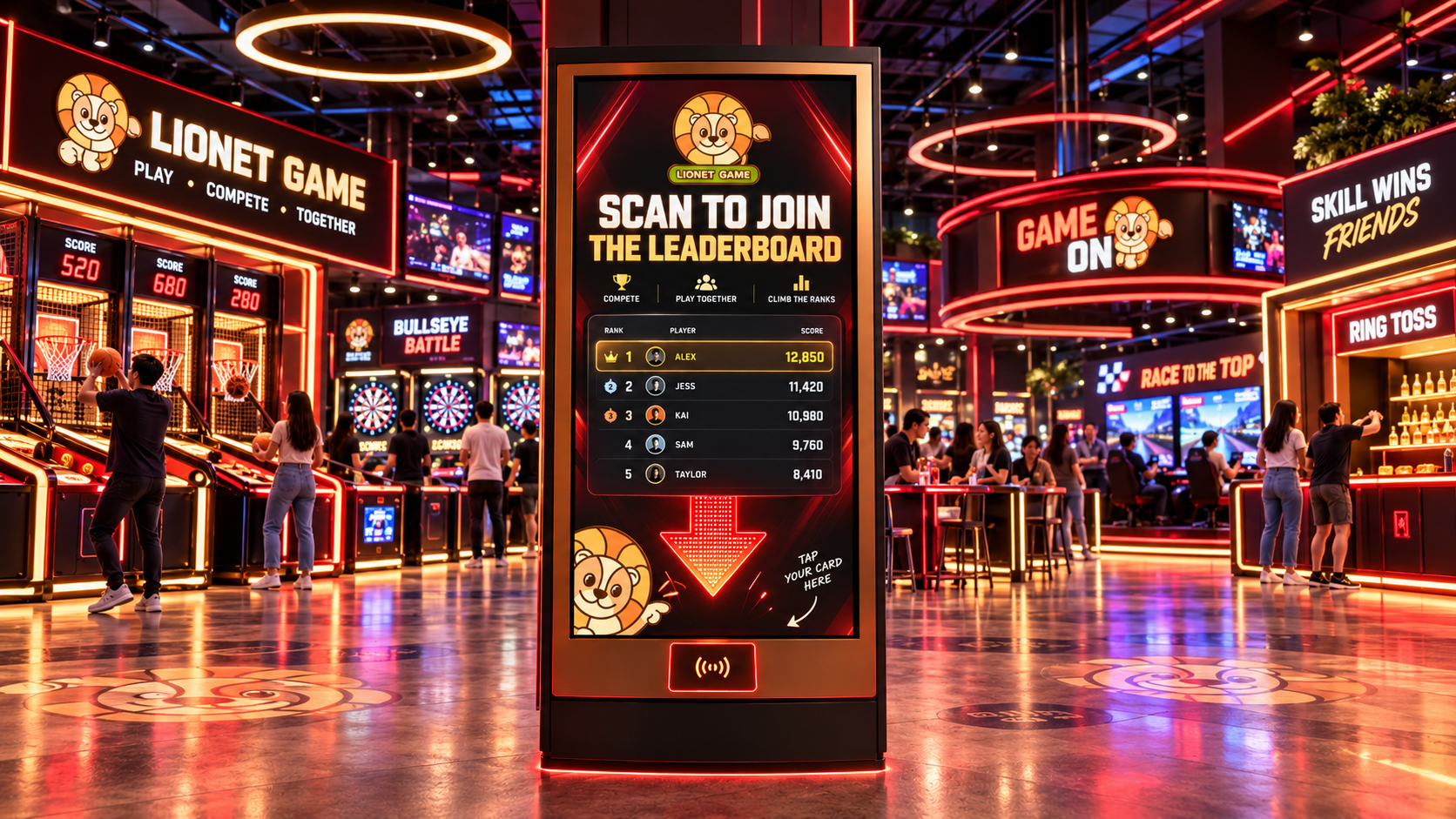
LIONET's Social Competition Carnival Games combine physical skill-based gameplay with automatic scoring, real-time leaderboards, and multi-unit networking.
Building on these capabilities, LIONET has developed a unified cross-game leaderboard system designed to connect different carnival games, consolidate competition results, and create a more integrated multiplayer experience.
The system is being prepared for commercial release as part of LIONET's expanding Social Competition Carnival Games portfolio.
Our Product Development Direction
LIONET has established a development roadmap for its Social Competition Carnival Games portfolio, covering additional game concepts and the supporting digital competition architecture.
This direction connects several of the company's existing technical capabilities: gameplay development, mechanical engineering, electrical systems, software programming, and multiplayer equipment design.
For FECs and competitive socialising venue operators, our objective is to support a range of physical games that can be selected and configured according to different entertainment concepts.
We see Social Competition not as a replacement for traditional Carnival & Midway Games, but as an extension of their interactive character into new forms of group entertainment.
Developed With the Operator in Mind
LIONET serves different types of commercial entertainment businesses, including family entertainment centers, theme parks, amusement parks, resorts, shopping mall entertainment venues, festival operators, competitive socialising venues, and equipment distributors.
These customers may share an interest in carnival games, but their operating requirements can differ considerably.
An outdoor amusement park may prioritize modular equipment structures, prize presentation, and staffed operation.
An indoor FEC may focus on floor-space allocation, game combinations, and the interaction between visitors and operators.
A competitive socialising project may require multiplayer layouts, scoring functions, and game networking capabilities.
LIONET's role is to translate these requirements into practical equipment specifications and manufacturing decisions.
Depending on the project, this may involve adapting an existing product, combining different games, modifying mechanical structures, or developing new gameplay and control functions.
Our approach is based on understanding the intended entertainment experience and the physical requirements needed to deliver it.
Looking Ahead: A Consistent Focus on Carnival Games
LIONET's development of Social Competition Carnival Games represents a continuation of its work in physical skill-based entertainment.
Traditional Midway Games, indoor carnival attractions, customized game installations, and digitally supported multiplayer games all draw upon the same foundation of product development and manufacturing capabilities.
The Haixinsha project demonstrates how structural customization and visual design can respond to the needs of a specific entertainment destination.
Our independent R&D team enables us to develop mechanical, electrical, software, and gameplay functions within the company.
Our manufacturing facilities and production processes provide the foundation for turning these designs into physical equipment.
Together, these capabilities define LIONET's position as a manufacturer of Carnival & Midway Games and Social Competition Carnival Games.
We will continue to develop products that bring together physical gameplay, interactive experiences, and practical solutions for commercial entertainment operators.
LIONET — Carnival & Midway Games. Made for Play. Developed for Operators.
Explore LIONET
Discover our Carnival & Midway Games, explore Social Competition Carnival Games, or learn more about our project experience.
PROJECT ENQUIRIES
Planning a Carnival Game Project?
From individual carnival games to customized midway installations and multiplayer social competition areas, LIONET can help you explore suitable equipment configurations and technical requirements for your venue.
Discuss Your Project →