Five entertainment brands, different approaches to play—and one question we brought back to our product team.
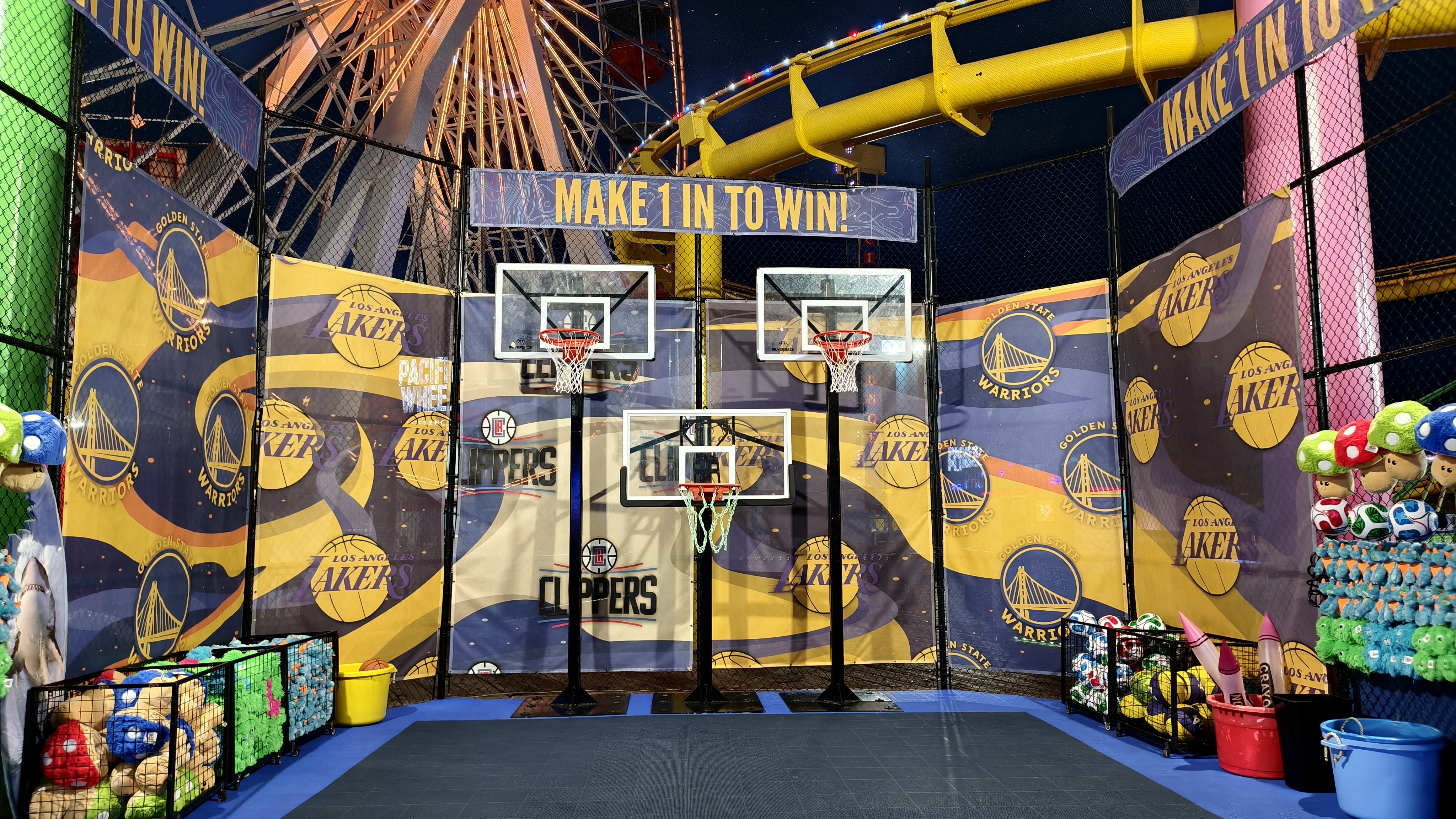
During a recent visit to the Los Angeles area, we explored seven entertainment venues across five brands: Topgolf, Dave & Buster's, Activate, Pacific Park and Holey Moley.
We went as a Carnival & Midway Games manufacturer, looking beyond equipment specifications to see what made people want to participate. We noticed groups of friends, families and couples, and we left with a sharper question:
When a game ends, what makes the experience feel worthwhile?
A Good Shot, and an Unmistakable Reaction
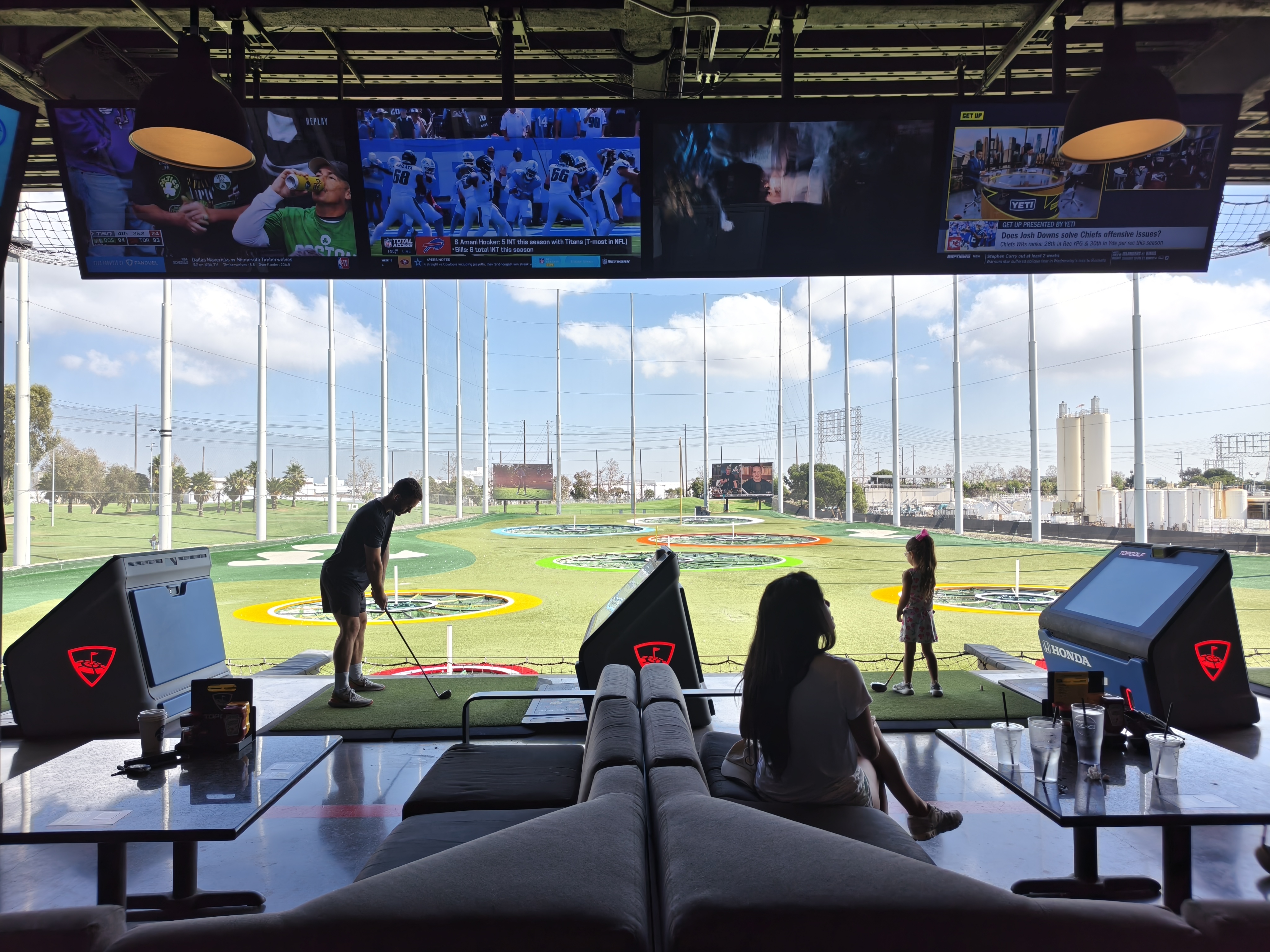
At Topgolf, we watched a player achieve a particularly good result. The excitement was immediate. What stayed with us was not the number on the screen, but the visible sense of achievement.
Topgolf's Toptracer technology tracks golf shots and turns physical performance into understandable feedback. Yet the venue also made an impression through its scale, open sightlines and relaxed atmosphere. The technology, physical activity and surroundings worked together.
For our team, this suggested a useful distinction. A game can detect an accurate result without necessarily making that result feel significant.
Instant feedback matters, but so does how the moment is presented.
Different Formats, Different Strengths
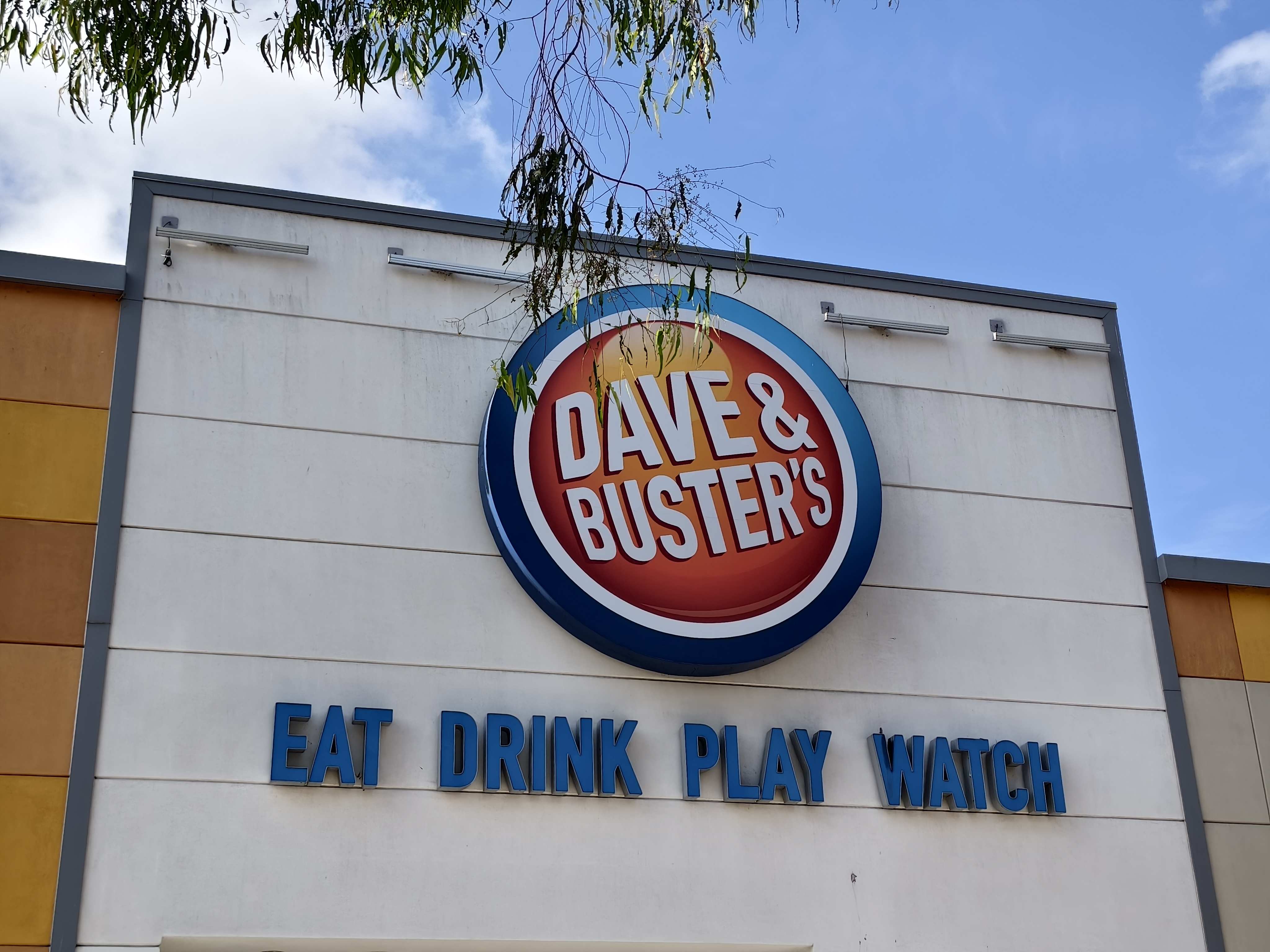
At Dave & Buster's, the range of competitive games showed how a venue can offer different ways for groups to participate. Variety gives visitors choices, although a large selection does not automatically mean every game encourages interaction.
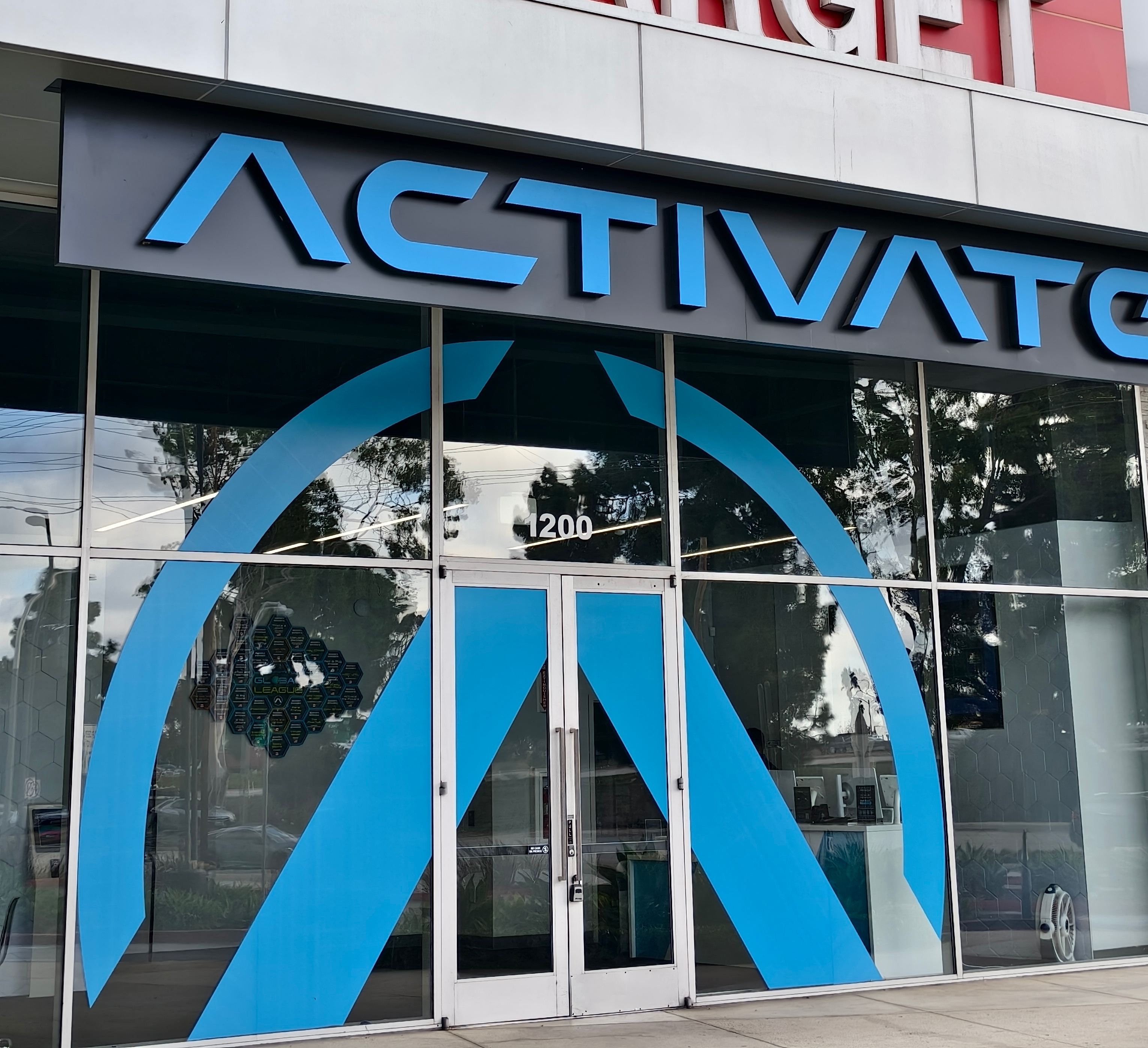
At Activate, the combination of physical movement and team-based challenges stood out. Its Team Mode illustrates how people can compete across different activities. Our observation was less about athletic intensity than about turning movement into an approachable group activity.
Holey Moley took a different route. Themed mini-golf environments made the setting part of the fun. The atmosphere felt informal and socially welcoming—a reminder that entertainment venue design can shape the guest experience before anyone starts playing.
Pacific Park offered the appeal of straightforward, recognizable midway challenges. We appreciated that simplicity. At the same time, some familiar formats left us wanting more novelty in the play itself. That is a personal impression, not evidence that the park fails to refresh its games.
Across these venues, we saw no single formula for competitive socialising. Each used a different balance of rules, setting and social participation.
Is the Experience Worth the Price of One Round?
We also came away with a concern: some individual plays felt expensive relative to the experience provided.
That is a visitor's judgment, not a pricing study. We did not collect comparable session durations, revenue data or operating costs, and cannot draw conclusions about any venue's profitability.
Still, the question is useful for operators.
If a round ends quickly, does it provide a satisfying challenge, a memorable result or a reason to participate again?
Longer is not always better. A short game can feel complete when the challenge is clear and the payoff arrives at the right moment. But a brief round with weak feedback may leave players wondering what they paid for.
That is why guest experience should be evaluated alongside throughput and equipment cost, not treated as a decorative extra.
What We Want to Improve at LIONET
These visits strengthened several priorities in our development of multiplayer games and Carnival & Midway Games.
First, we want the result of a successful action to feel immediate. Score confirmation, sound and lighting can make an achievement easier to notice. Where prizes are part of the format, timely and clear prize feedback deserves the same attention.
Second, we want to design more deliberately for spectators. Players need room to compete, but friends also need space and sightlines to watch. That is an entertainment venue design decision as much as an equipment decision.
Third, challenge levels and formats matter. Multiplayer games should offer enough tension to be exciting without making newcomers feel excluded. More varied mechanics may also give groups reasons to try different skills.
These are product development priorities, not claims that every LIONET model already delivers each feature.
Our Social Competition Carnival Games complement our traditional Carnival & Midway Games range. For a Family Entertainment Center or a dedicated competitive socialising venue, the right mix will depend on audience, floor space, staffing and operating model.
One Useful Lesson—and Its Limit
Seven visits cannot establish a trend across the American entertainment market. They can, however, sharpen the questions a manufacturer asks.
What does the player feel when they succeed? Can other people see and share that moment? Is the experience satisfying for the price and time involved?
For us, competitive socialising is most interesting when physical play, feedback and a welcoming space work together.
The objective is not simply to make games louder or more complicated.
It is to make the moments that matter feel more rewarding.

Kevin Lan is the Co-Founder and Sales Director of LIONET, a China-based manufacturer specializing in Carnival & Midway Games and Social Competition Carnival Games. His work focuses on international business development, multiplayer game concepts, and entertainment venue solutions. Through industry exhibitions, market research, and direct engagement with operators, he shares practical perspectives on game design, commercial considerations, and the evolving Competitive Socialising industry.