Why an immersive carnival game setup matters before the event opens
An immersive carnival game setup is not just a row of booths and a few painted signs. For schools, brands, amusement operators, and event planners, it is the part of the experience that turns foot traffic into participation. People stop, look, understand the game in a second, and feel invited to play. That sounds simple, but it is often where an event wins or loses its atmosphere.
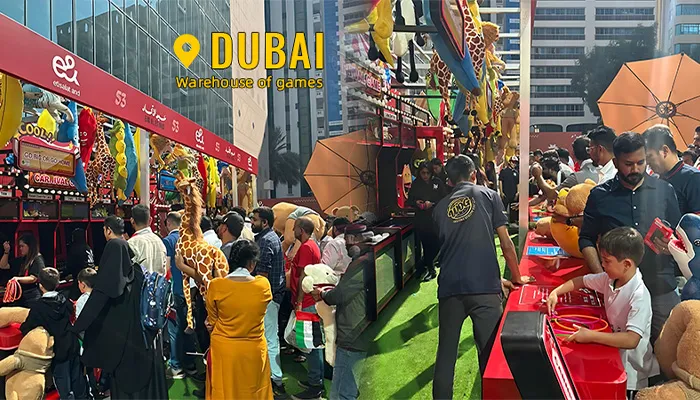
The practical question is not whether the game looks fun in photos. It is whether the layout, graphics, lighting, props, and rules all work together on-site, under time pressure, with a crowd moving around it. A well-built setup supports attendance, speed of play, and repeat engagement. A weak one creates confusion at the counter, bottlenecks in the queue, and dead space around the booth.
What makes a carnival game feel immersive
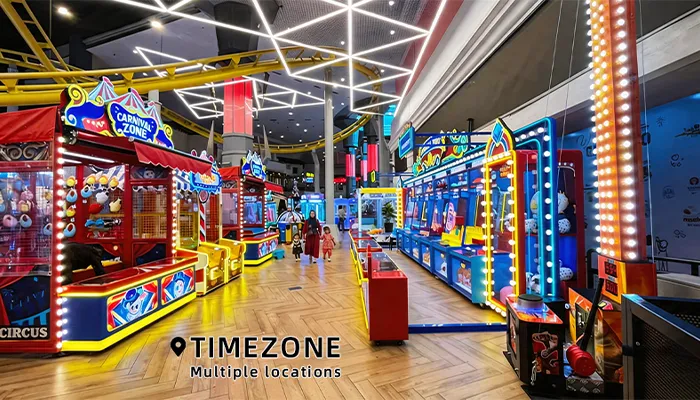
Immersion usually comes from details that are easy to overlook during procurement. The booth should carry a clear theme, but the theme has to be readable from several feet away. Oversized backdrops, dimensional cutouts, coordinated colors, and game-specific signage all help the player understand what kind of experience is being offered. If the setup is supposed to feel like a midway attraction, it should borrow from that visual language without becoming cluttered.
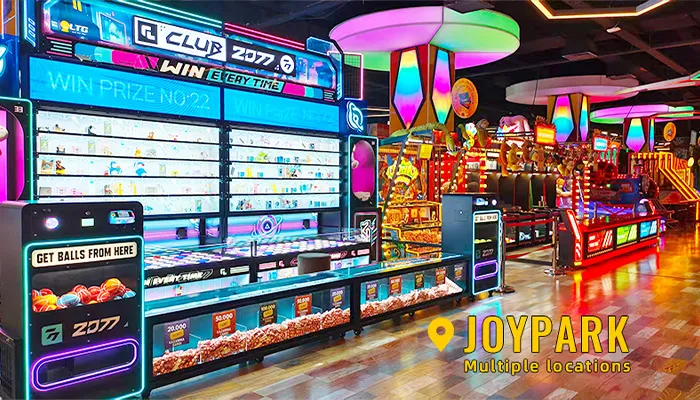
Lighting also matters more than many buyers expect. Even modest LED accents can sharpen contrast and make a booth feel active in lower-light venues. Sound cues, score displays, and visible prize zones add to the effect, though they should never drown out instructions. In busy environments, clarity beats spectacle. A design that looks impressive but takes twenty seconds to explain will slow the line and frustrate staff.
Common setup formats and where they fit
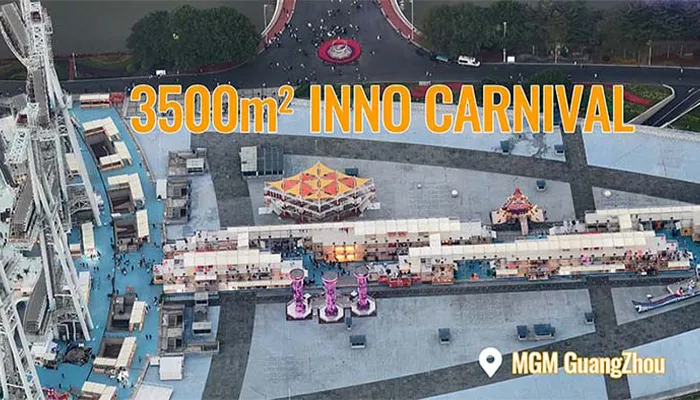
Different events call for different game structures. A compact table game may suit a trade show activation or indoor family event where space is tight. A larger freestanding booth works better when the goal is to create a destination inside a fairground or festival footprint. Inflatable-style enclosures, themed cabinets, and modular backdrop systems each solve a different operational problem.
Compact setups
These are easier to transport and faster to install. They work best when the event needs many games spread across a venue or when the team must set up and tear down in a short window. The trade-off is limited visual depth, so the graphics and props have to do more work.
Large themed installations
These are better for anchor attractions. They create a stronger visual field and can support larger groups, but they demand more floor space, stronger logistics, and more careful crowd management. Buyers should also think about storage and post-event handling, not just opening-day impact.
Selection criteria buyers should not skip
When comparing options, start with the basics: footprint, assembly steps, staffing needs, and durability. A game that requires too many loose parts tends to lose pieces over time. A setup that depends on perfect site conditions can become a problem if the event floor is uneven or the weather shifts. That is especially true for outdoor activations, where anchoring, stability, and surface protection deserve attention.
Material choice is another quiet decision with real consequences. Lightweight panels may reduce shipping effort, but they need enough structure to avoid wobble. Printed surfaces should be easy to clean and resistant to frequent handling. If the game includes moving parts, test how they hold up under repeated use rather than assuming a show-floor sample tells the whole story. It usually does not.
Design mistakes that flatten the experience
One common mistake is overdecorating the booth until the game itself becomes hard to see. Another is building a theme that looks great from a distance but offers no clear interaction once the player steps up. The best setups make the action obvious: where to stand, what to do, how to score, and what happens next.
It is also worth watching for visual mismatch. A booth that promises a carnival feel but uses generic corporate graphics can feel thin, even if the hardware is solid. Likewise, props that are too delicate can wear out quickly and make the installation look tired before the event ends. A buyer should ask how the setup will look after the tenth group, not just the first photo.
Practical buyer advice for sourcing teams
If you are sourcing an immersive carnival game setup, ask suppliers for layout dimensions, installation steps, material descriptions, and recommended maintenance. Request images or mockups that show the full booth in context, not only isolated product shots. If the setup will be reused across multiple events, consider how easily graphics can be refreshed without replacing the whole structure.
It also helps to think in terms of operations, not just design. Who resets the game? How long does a cycle take? Can one staff member manage it, or does it need two? These questions affect labor cost and event flow more than buyers sometimes realize.
What a good setup should help you decide
At the end of the process, the decision is less about whether the carnival game looks festive and more about whether it works as an event tool. The right setup should create a clear attraction, support smooth play, and hold up across repeated use. If it does those three things, the rest tends to follow.
For teams planning a seasonal program, brand activation, or venue refresh, the next step is to map the event environment first, then choose the game format that fits the space and the staff available. That order saves more trouble than most buyers expect.