What a large-scale carnival project really asks of a supplier
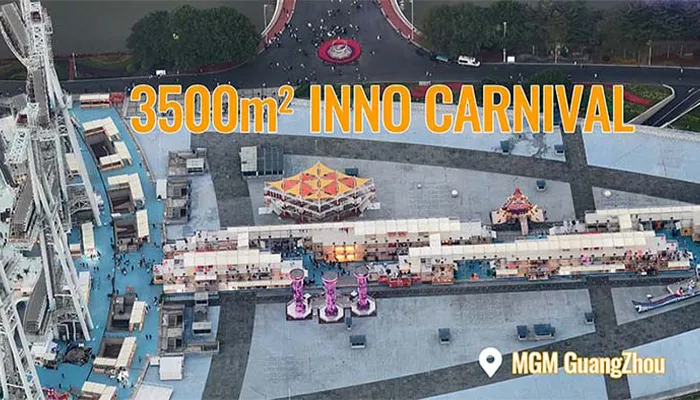
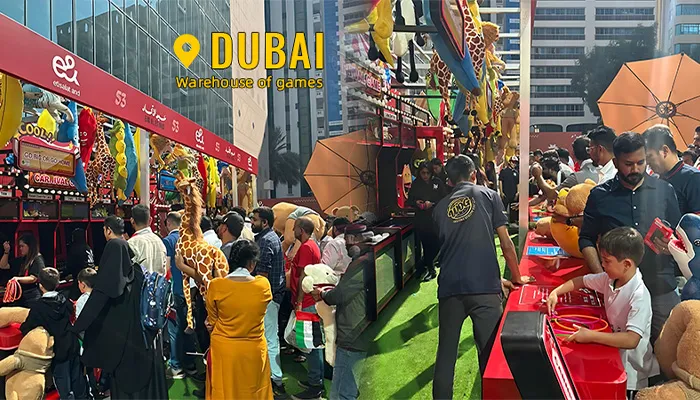
A large-scale carnival project is not just a matter of building a few bright rides and calling it an event. For engineers, sourcing managers, and product teams, it is a temporary public venue with the pressure of a permanent installation: heavy foot traffic, weather exposure, power distribution, structural stability, guest flow, branding, and fast turnarounds all have to work together. Miss one of those pieces and the whole site can feel disorganized, or worse, unsafe.
That is why buyers approaching a large-scale carnival project usually need more than a quote. They need a practical plan for how the site will be designed, fabricated, transported, assembled, operated, and removed. The real decision is not simply what looks attractive on a concept board. It is which setup can be delivered reliably, supported on site, and adapted to the venue’s constraints without turning into a sequence of surprises.
The first question: fixed event or mobile program?
The purchase logic changes depending on whether the carnival is a one-off event, a seasonal installation, or a traveling circuit. A single-site event often prioritizes speed of build, easy guest circulation, and simple permitting. A mobile program, by contrast, puts more weight on modularity, repeatable assembly, and wear resistance because components will be handled, packed, and reinstalled many times.
That distinction matters early. A supplier who understands a mobile format will usually think differently about structural frames, connection points, graphics replacement, and transport protection. A team planning a one-time city fair may care more about decorative impact and local compliance. The wrong assumption here can cost days on the schedule.
Core components that shape the project
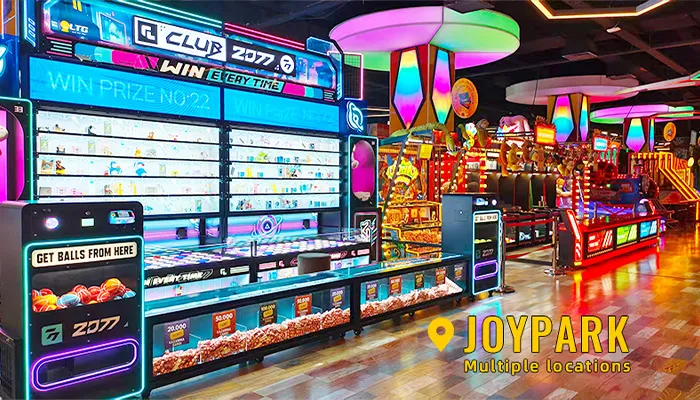
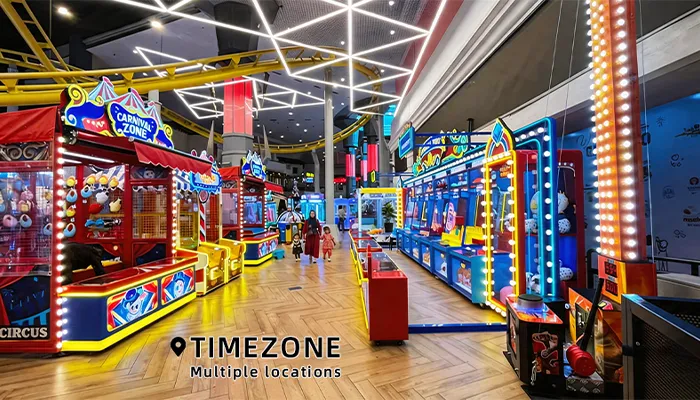
Most large carnival builds can be broken into a few functional layers. There is the guest-facing layer: rides, booths, entrances, signage, and themed structures. There is the utility layer: electrical supply, lighting, drainage considerations, and any service access for food or mechanical equipment. Then there is the operational layer: ticketing, queue management, staff circulation, storage, emergency access, and maintenance routes.
When those layers are designed separately, the project tends to work better. The common mistake is treating the layout as a visual composition first and an operating environment second. Visitors notice if walkways pinch, if shade is missing where people queue, or if service vehicles have to cross guest paths. These are not small issues; they are the details that decide whether the event feels controlled or chaotic.
Materials and fabrication choices that deserve attention
Even without a fixed product specification, some material logic is fairly consistent in this sector. Structural members are usually selected for strength, portability, and resistance to repeated handling. Decorative surfaces need to hold color under sun and abrasion. Fasteners, hinges, and locking systems must survive vibration during transport and frequent assembly cycles. If a project includes illuminated features, enclosure design and cable management become part of the durability discussion too.
Buyers sometimes overfocus on the visible finish. That is understandable; carnival work is theatrical by nature. But a bright surface that chips easily or a connector that loosens after a few moves can become the most expensive line on the job. It is worth asking suppliers how the build handles transport, storage, and field repair, not just how it looks on opening day.
Selection criteria for sourcing teams
If you are comparing suppliers for a large-scale carnival project, start with execution history, fabrication depth, and project coordination. Not every vendor that can manufacture one eye-catching unit can manage a site with multiple moving parts. You want evidence that the supplier can handle scheduling discipline, packaging, labeling, and on-site installation support if required.
It also helps to evaluate how the supplier communicates around risk. Good partners do not promise everything will be effortless. They flag constraints early: load limits, weather exposure, access restrictions, electrical assumptions, and any dependency on venue preparation. That honesty is useful. It keeps the buyer from discovering, too late, that a display needs a different foundation or that a ride zone requires more clearance than the original layout allowed.
Common mistakes that slow these projects down
One recurring error is underestimating lead time for custom fabrication and transport. Another is failing to build enough slack into the installation sequence. If graphics arrive before structures, or if mechanical components arrive before the site is ready, the whole schedule becomes fragile. A third mistake is assuming local labor can solve every assembly issue without detailed instructions, drawings, or pre-identified spares.
There is also a tendency to treat safety review as a final checkpoint rather than a design input. That usually leads to revisions at the worst possible time. For a large-scale carnival project, safety, access, and crowd movement should be discussed while the layout is still flexible.
What buyers should ask before committing
A useful supplier conversation is practical and specific. Ask how components are packed, how replacements are handled, what level of site support is available, and which parts are most vulnerable to wear. Ask whether the design can be adapted for different footprints, because venue geometry rarely stays polite.
If you are comparing options, request a breakdown of what is standard and what is truly custom. In carnival work, those two categories can blur. Clear boundaries help keep budget and scope from drifting.
FAQ: quick answers for planning teams
What makes a carnival project “large-scale”?
Usually the combination of site size, number of attractions, guest volume, and operational complexity. The label matters less than the coordination burden.
Should design or operations lead the early planning?
Both should be present, but operations should speak early. A beautiful layout that fails in traffic flow is a problem dressed as a success.
What is the safest way to reduce risk?
Lock down site dimensions, utility requirements, assembly responsibilities, and transport assumptions before fabrication begins. That sounds basic, but it prevents a lot of expensive improvisation.
A sensible next step
For teams evaluating a large-scale carnival project, the best next step is to turn the idea into a working scope: site constraints, functional zones, materials, installation sequence, and support expectations. Once that is on paper, supplier conversations become much sharper. The right partner should be able to discuss not only what the carnival will look like, but how it will actually run when the gates open.